At a Glance
- THC drinks are gaining popularity in liquor stores, bars, and breweries.
- They differ from alcohol in how they are absorbed and how long the effects last.
- Legal status depends on federal hemp rules and varying state regulations.
Why it matters: Consumers seeking a buzz without alcohol may turn to THC drinks, but experts warn that long-term health effects are largely unknown.
The rise of THC-infused beverages has caught the attention of both consumers and health professionals. While some people are drawn to them as a way to cut back on alcohol, the science behind their safety and effectiveness is still catching up.
What Are THC Drinks?
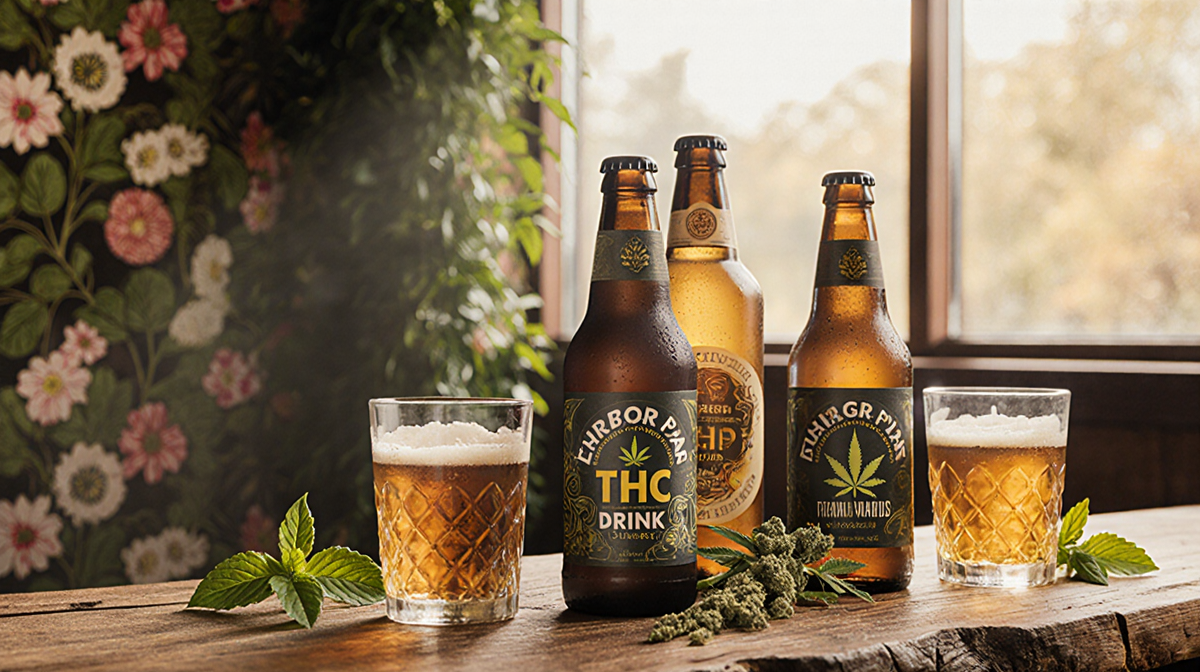
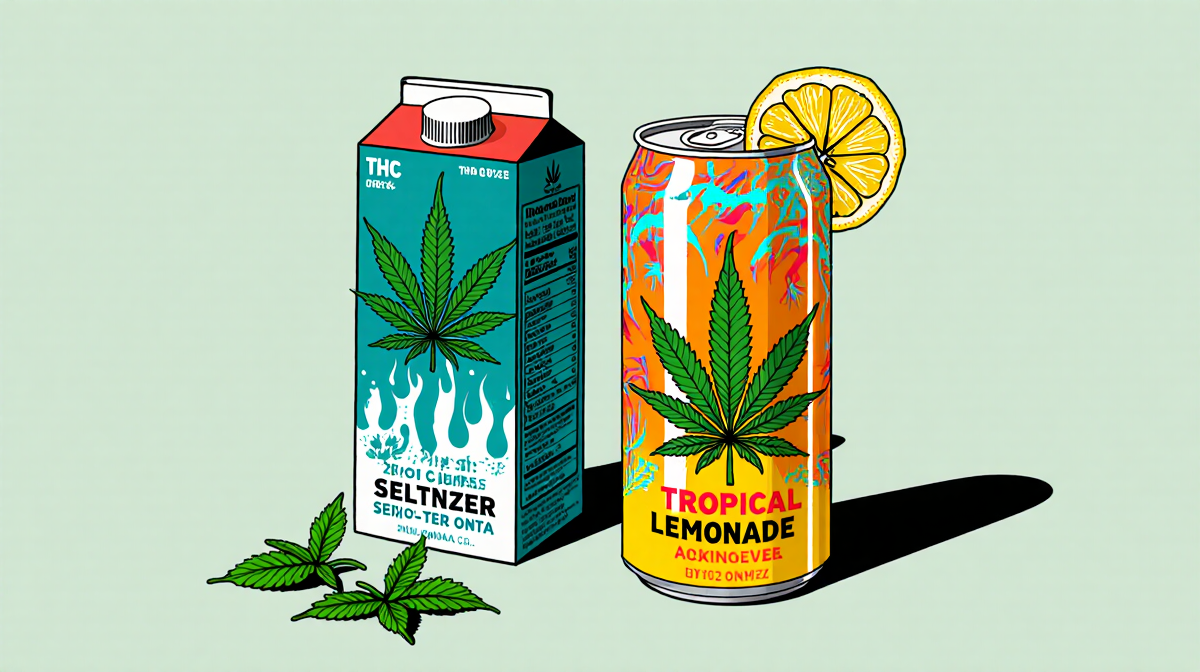
THC drinks are beverages infused with tetrahydrocannabinol, the psychoactive compound in cannabis that causes a high. They come in forms such as zero-calorie seltzers and tropical lemonades and are often marketed as a way to get a buzz without the booze. Some products contain only THC, while others blend in cannabidiol (CBD), a nonintoxicating compound, to help balance the effects.
Key Points
- THC is the psychoactive compound that causes a high.
- Products may contain THC alone or a mix of THC and CBD.
- Some drinks are marketed as a “buzz without the booze.”
How Do They Compare to Alcohol?
Alcohol, specifically ethanol, is a single molecule, whereas THC drinks contain a mixture of cannabinoids and other ingredients. This difference makes predicting and standardizing the effects of THC drinks harder.
Absorption and Effects
- Alcohol enters the bloodstream quickly through the stomach.
- THC takes longer to absorb; once it reaches the liver, it becomes a compound that can feel even stronger.
- The high from THC can continue to build over time, leading to a prolonged effect.
> “You may feel more high as time marches on. It’s the gift that keeps on giving,” said Dr. Staci Gruber.
Because THC stays in the system longer, consumers cannot simply “take less” once they start drinking. Gruber advises starting low and going slow:
- Begin with a small amount.
- Wait an hour or two before having a second drink.
Legal Landscape
The legality of THC drinks varies by location. Most products sold in stores are made from hemp, not marijuana, and are regulated under the 2018 Farm Bill, which allows hemp-derived products containing no more than 0.3% THC to be sold federally.
Federal Rule
- Hemp-derived products with ≤ 0.3% THC are legal at the federal level.
- This rule permits sales in states where marijuana remains illegal.
State Variations
- Each state may set limits on THC content or specify where drinks can be sold.
- There is no consistent national framework for cannabis-infused drinks.
Dr. Doug Roehler, an epidemiologist, notes that consumers should check their state’s laws before purchasing.
Health and Safety Concerns
Although THC and CBD drinks are growing in popularity, the science behind them is still catching up. Unlike medications approved by the Food and Drug Administration, THC drinks are not evaluated for safety, effectiveness, or consistency before hitting the market.
Limited Research
- Long-term health effects of cannabis drinks are largely unknown.
- Studies on cannabis in general suggest benefits for chronic pain, muscle spasms from multiple sclerosis, and chemotherapy-induced nausea.
> “I think we’ll have to stay tuned for the next decade or so to see what we can glean from these products,” said Dr. Staci Gruber.
Potential Benefits vs. Risks
- Some users drink THC beverages to cut back on alcohol, citing health concerns.
- The Surgeon General’s advisory links alcohol consumption to an increased risk of seven types of cancer, including mouth, breast, liver, and colon cancer.
- THC drinks may offer a way to relax without the hangover, but the long-term effects remain uncertain.
Alternatives to Alcohol
If THC drinks aren’t the right fit, there are several nonalcoholic options to help unwind without the buzz or high:
- Adaptogen drinks use herbs like ashwagandha, rhodiola, or reishi mushrooms to manage stress.
- Mocktails mimic the flavor and experience of traditional mixed drinks.
- Nonalcoholic dupes replicate the taste of alcoholic beverages without alcohol.
- Functional sparkling water adds ingredients like magnesium or electrolytes to aid focus.
Popular brands include Kin Euphorics, Hiyo, Recess, Athletic Brewing, Corona, Samuel Adams, Good Idea, and Soulboost.
Bottom Line
THC drinks are becoming a popular alternative to alcohol, appearing in liquor stores, bars, and breweries. While some people report relaxation without a hangover, experts emphasize that the long-term health effects are not yet well understood.
> “If you’re interested in checking out THC-infused beverages, you should be mindful of what you’re buying and using,” said Dr. Staci Gruber.
Consumers should read labels, start slow, and give themselves time to see how a drink affects them. If cannabis beverages don’t feel like the right fit, many other nonalcoholic options can help you unwind without the effects of alcohol or THC. THC drinks will get you high; the effect depends on how much you have, but people on Reddit say it’s a pleasant, more controllable high. In 2024, Minnesota passed a law allowing THC drinks to be sold in liquor stores, and many states that permit medical or recreational marijuana also allow these beverages. THC drinks can show on a drug test; the time it takes for THC to clear the system varies by individual factors and the type of test.