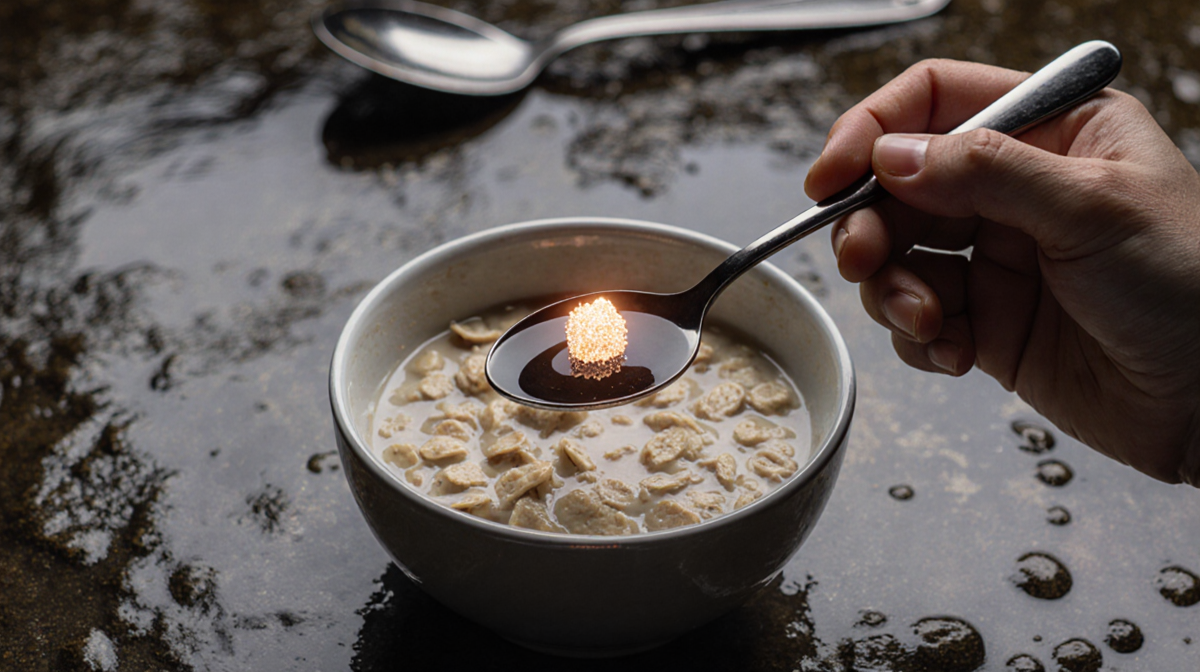
Microplastics in the food we eat are a growing concern. People in the U.S. consume between 39,000 and 52,000 microplastic particles each year, but the sources and health risks are still being studied.
At a Glance
- U.S. annual intake: 39,000-52,000 particles
- Seafood, tea, rice, salt, bottled water are top contributors
- No established safe level; experts recommend minimizing exposure
- Simple swaps-loose-leaf tea, glass containers, local produce-can cut intake
Why it matters
Reducing microplastic exposure could lower potential inflammation and hormonal disruption linked to plastic chemicals.
Introduction
Microplastics are tiny plastic fragments that find their way into the foods we eat and the water we drink. Recent studies show that almost all foods contain some level of these particles, and experts warn that their long-term health effects are not yet fully understood.
How Microplastics Enter Our Diet
Microplastics can enter food in several ways:
- Agricultural use of plastic mulch, seed coatings, and irrigation water
- Packaging and utensils made of plastic
- Contamination of soil, water, and air
> “There is no officially established ‘safe’ or ‘unsafe’ level of microplastic intake,” said Dr. Joseph Mercola, a board-certified family medicine osteopathic physician.
The U.S. Food and Drug Administration notes that current evidence does not show a health risk at present, but many still wish to reduce intake.
Top Foods That May Contain Microplastics
| Rank | Food | Key Findings | How to Reduce Exposure |
|---|---|---|---|
| 1 | Seafood | 180 of 182 samples contained microplastics; microfibers most common | Choose filter or bottom feeders less, opt for sustainably packaged seafood |
| 2 | Tea bags | Polypropylene bags can release billions of particles; nylon and cellulose bags release millions | Switch to loose-leaf tea, use a stainless-steel diffuser |
| 3 | Rice | 3-4 mg of plastic per half cup; instant packets 13 mg | Wash rice 20-40 % cleaner, use filtered water |
| 4 | Salt & Sugar | 90 % of 39 tested salt brands contained microplastics; sugar also found | Buy glass or cardboard packaged versions |
| 5 | Bottled Water | About 240,000 particles per liter | Drink tap water from stainless-steel or glass containers |
| 6 | Honey | Microplastic fibers traceable to bees and pollution | Buy local honey from beekeepers who use natural methods |
| 7 | Fruits & Veggies | Apples most contaminated fruit; carrots most contaminated vegetable | Wash thoroughly, peel when possible, choose local or organic |
| 8 | Proteins | 88 % of vegetable and animal proteins contain microplastics; breaded shrimp average 300 pieces per serving, plant-based nuggets 100 | Consume a balanced mix, keep protein intake moderate |
Seafood
The ocean is a major reservoir of microplastics. Fish and shellfish ingest plastic particles mistaken for food, and the particles accumulate in flesh. A study from Portland State University found microplastics in 180 of 182 tested seafood samples.
Tea Bags
Polypropylene tea bags can release billions of particles when steeped. Researchers at the Autonomous University of Barcelona confirmed this release, while nylon and cellulose bags released millions.
Rice
A University of Queensland study linked every half cup of rice to 3-4 mg of plastic; instant rice packets had four times that amount. Washing rice with filtered water reduced contamination by 20-40 %.
Salt & Sugar
Microplastics are present in the majority of salt brands worldwide, with 90 % of 39 sampled brands showing contamination. Sugar also contains particles.
Bottled Water
PET bottles shed micro- and nanoplastics when squeezed or heated. One study estimated 240,000 particles per liter.
Honey
Bees can transfer microplastics into honey. A study tracking bees’ ingestion showed fibers appearing in hive honey.
Fruits & Veggies
Plants can uptake micro- and nanoplastics from soil through roots. Apples and carrots were the most contaminated samples.
Proteins
Highly processed proteins, such as plant-based nuggets or chicken nuggets, contain the most microplastics. Breaded shrimp averaged 300 pieces per serving.
Potential Health Effects
While definitive risks are still under investigation, experts highlight several possible impacts:
- Accumulation in the circulatory system and organs, including the brain, can cause inflammation and tissue damage
- Endocrine-disrupting chemicals in plastics may lead to hormonal imbalances
- Microplastics can absorb environmental toxins, introducing them into the body
> “Ingested microplastics have been found to accumulate in the circulatory system and various organs, including the brain, where they can cause inflammation and tissue damage,” said Dr. Mercola.
Practical Tips to Reduce Intake
- Limit shellfish like mussels, oysters, and scallops.
- Avoid plastic storage for fatty foods; use glass containers.
- Skip plastic-wrapped foods when possible.
- Replace plastic utensils with ceramic, glass, stainless steel, or wood.
- Install a microfiber filter in washing machines; the PlanetCare 2.0 filter starts at $125.
- Choose a water filter that removes microplastics, such as Lifestraw’s membrane microfilter.
## Water Filters That Target Microplastics
The market offers several options. Lifestraw claims its membrane microfilter removes 99.999 % of microplastics, bacteria, and parasites. Look for pitchers, bottles, or whole-home systems that specifically mention microplastic removal.
Bottom Line
Microplastics are present in nearly every food category, and while no safe intake level is defined, minimizing exposure is prudent. Simple changes-like switching to loose-leaf tea, buying local produce, and using glass containers-can help reduce the amount of plastic particles you consume. A balanced diet of protein, fruit, and vegetables remains essential for health, microplastics or not.
Key Takeaways
- U.S. consumption ranges from 39,000 to 52,000 particles per year.
- Seafood, tea, rice, salt, bottled water, honey, produce, and processed proteins are major contributors.
- No established safe level; experts recommend reducing intake through dietary choices and container swaps.
- Water filters that remove microplastics can further lower exposure.
—