At a Glance
- CES 2026 saw a flood of AI-branded products, many offering little more than buzz.
- A handful of health-tech innovations demonstrated AI solving complex medical problems.
- The event highlighted the tension between marketing hype and genuine technological impact.
- Why it matters: Consumers and investors need to discern meaningful AI from gimmicks.
CES 2026 was a spectacle of artificial intelligence, with every booth claiming to be AI-powered. While many gadgets promised to change everyday life, the most compelling demonstrations came from the health and medical research side, where AI truly addressed complex problems.
The AI Overload at CES
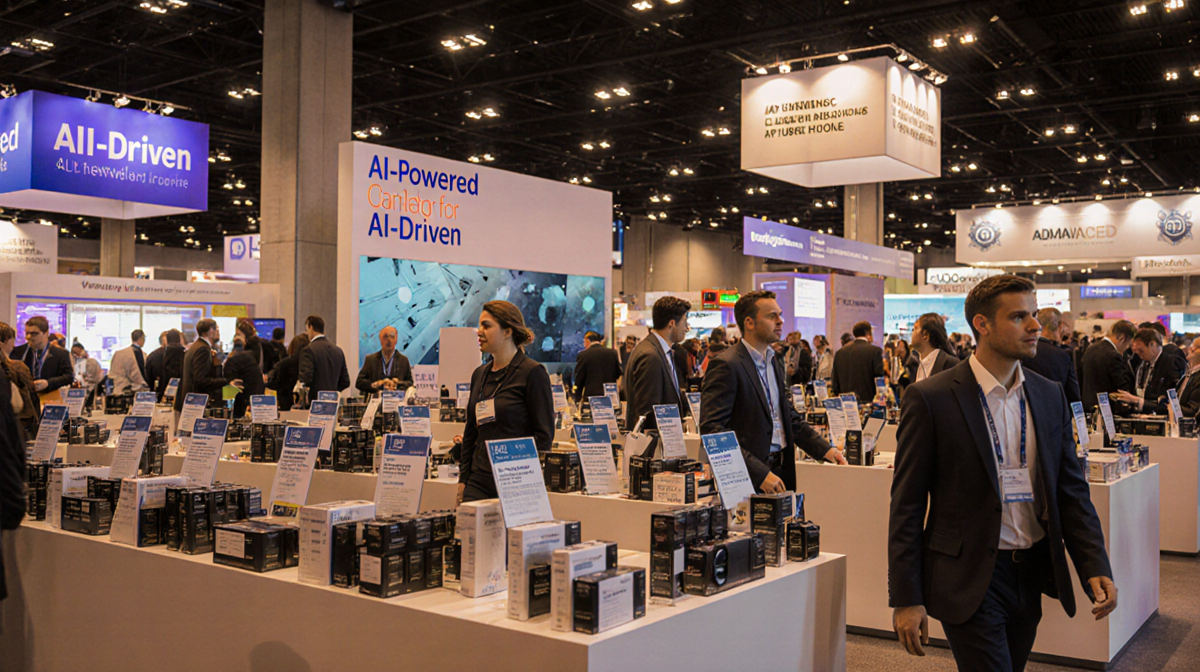
The first day of the trade show felt like a maze of buzzwords. Every product, from smart toothbrushes to AI-enabled refrigerators, was tagged with terms like AI-powered, AI-driven, and AI-enabled. The sheer volume of these claims made it hard to distinguish between genuine innovation and marketing strategy.
- Consumer gadgets: AI toothbrushes, sleep masks, coffee makers, cat feeders.
- Lifestyle devices: Massage chairs, smart rings, headphones.
- Miscellaneous: AI mirrors that read faces, AI refrigerators that learn preferences.
Despite the variety, most of these products did not solve a real problem. They were more about adding a buzzword than delivering functional value.
Finding Meaningful AI
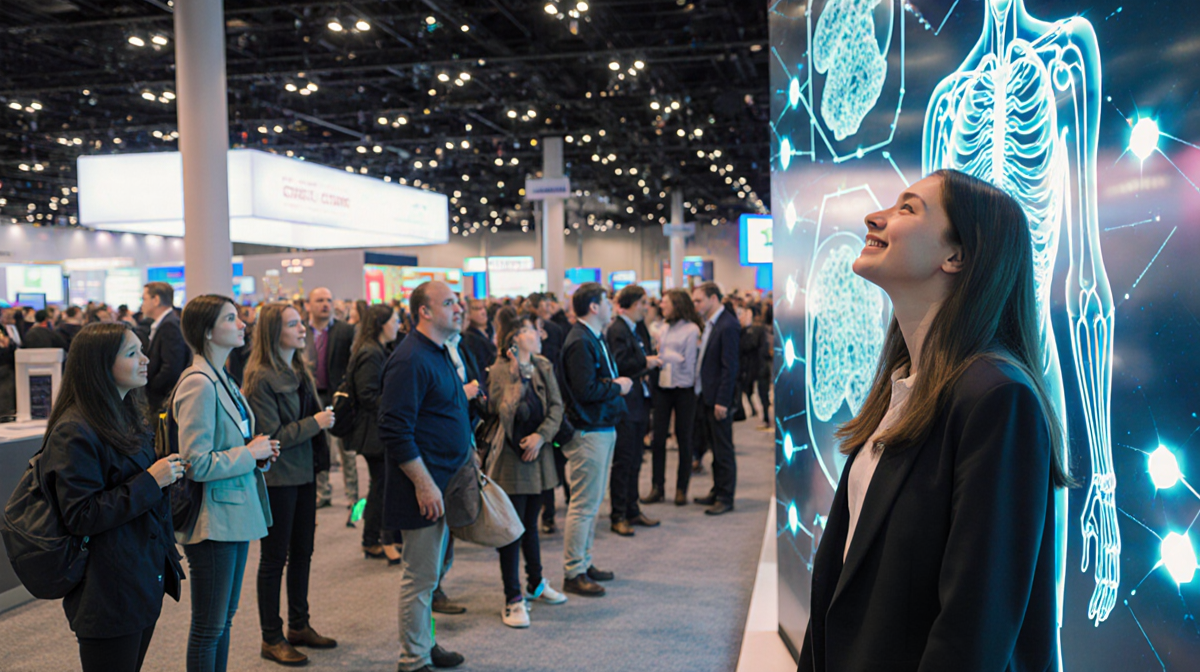
The author’s frustration grew as the hype blurred. The key realization came when attention shifted from lifestyle gadgets to medical research. In that space, AI was used as infrastructure, not as a headline.
Health-tech highlights:
- AI algorithms detecting patterns in brain signals.
- Non-invasive therapies assisted by AI analysis.
- Surgical planning tools that process complex data sets.
These applications showcased AI’s ability to tackle problems too intricate for human cognition alone, offering incremental and responsible progress in medicine.
Health and Medical Breakthroughs
| Category | Example | AI Role |
|---|---|---|
| Neurological research | Pattern-recognition in EEG data | Detects subtle anomalies |
| Diagnostics | AI-assisted imaging | Enhances accuracy |
| Treatment planning | AI in surgical navigation | Improves precision |
The breakthrough here was that AI was not the headline; the infrastructure and the real impact were. The technology focused on improving human lives rather than merely adding a label.
The Human Element
Beyond the tech, CES 2026 was a reminder of the human connections that drive innovation. The author noted:
> “The most remarkable aspect of CES is the deep, stubborn, glorious humanness at its center.”
Interactions with colleagues, shared meals, and spontaneous conversations underscored that technology is ultimately about people. The author’s experience of meeting coworkers in person, the laughter over pool games, and the shared exhaustion all highlighted the importance of human collaboration.
Takeaways for Attendees and Investors
- Question every AI claim – If a product doesn’t solve a clear problem, the AI label may be superficial.
- Prioritize applications that enhance human well-being – Medical and health-tech uses of AI show the most promise.
- Look beyond buzzwords – Genuine innovation often hides in the details of how AI is integrated, not in the marketing copy.
- Value human interaction – The future of technology is rooted in collaboration and shared purpose.
CES 2026 reaffirmed that while AI can be overused, it still holds transformative potential when applied thoughtfully. The event’s most compelling moments were those where technology served humanity, not merely where it was marketed.