
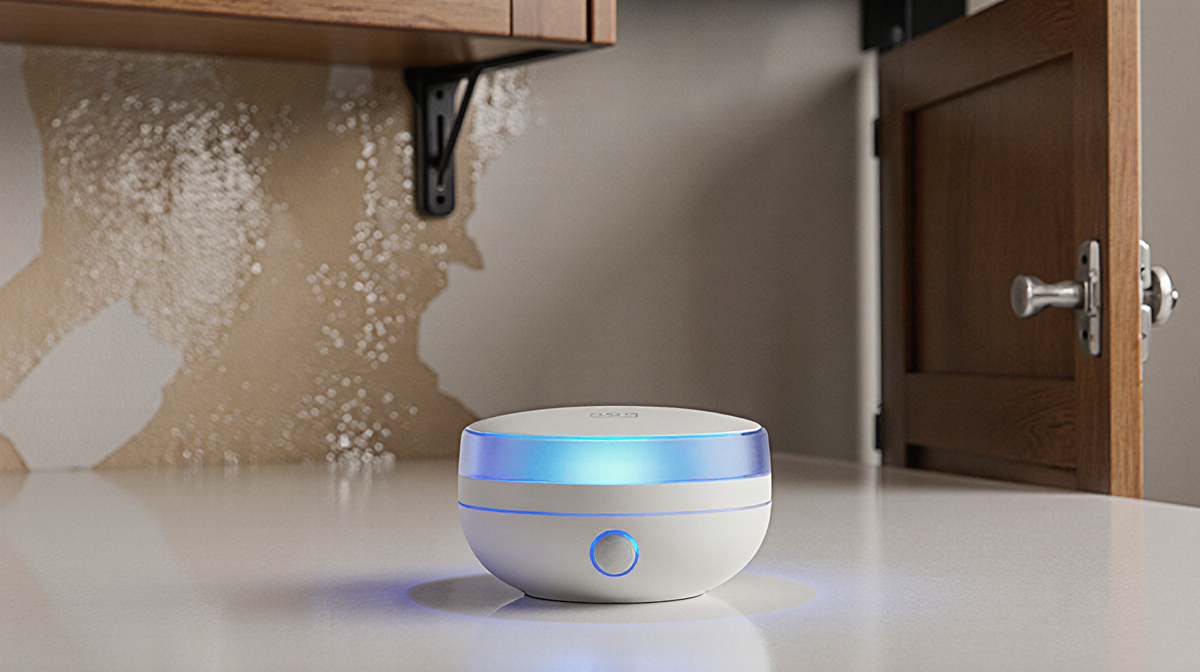
At a Glance
- Leak detectors can stop hidden water damage before it spreads.
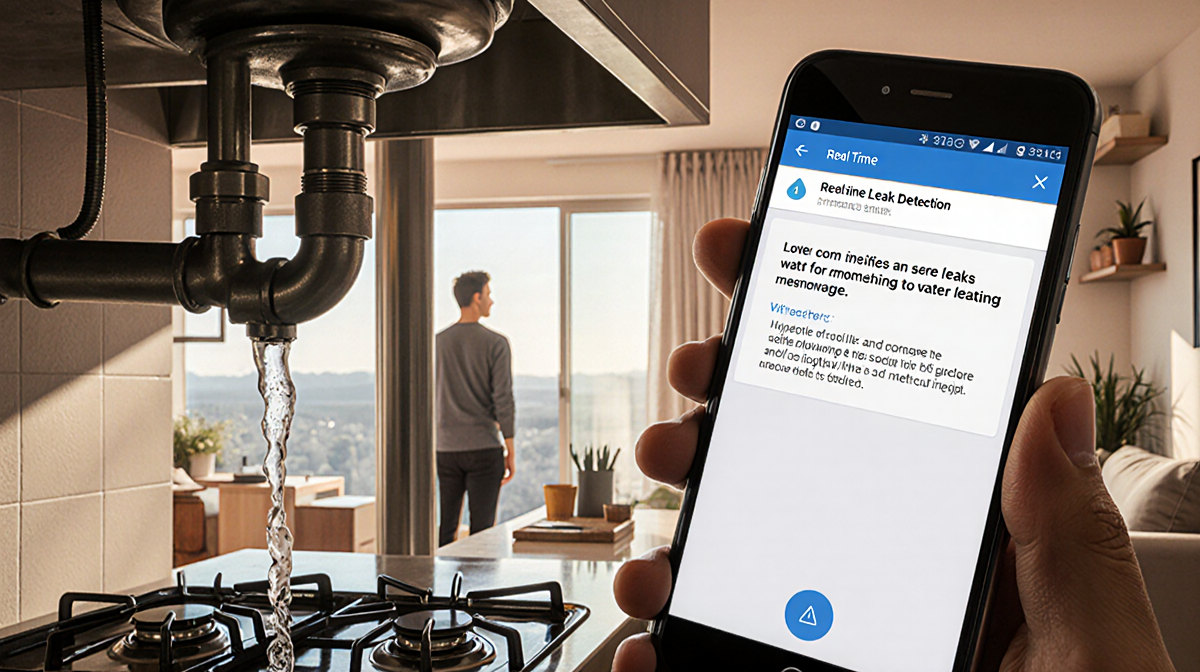
- They alert you via app or alarm, even when you’re away.
- Popular models offer 2-year battery life and easy setup.
Why it matters: A single unnoticed leak can cause costly mold, structural damage, and insurance headaches.
Leak detectors give homeowners a simple, affordable way to catch water problems early, protecting both property and peace of mind.
Leak detectors are becoming a staple in modern smart homes, offering a low-cost solution to a high-risk problem.
Introduction
Water leaks can silently damage a house for months before any visible signs appear. A leak detector alerts homeowners in real time, whether they’re at work or on vacation, preventing costly repairs and health hazards. This guide reviews the best leak-sensing devices on the market, explains where to place them, and helps you decide which one fits your needs.
Why Leak Detectors Matter
- Hidden damage: Leaks under floors, behind walls, or in crawlspaces can go unnoticed.
- Mold risk: Moisture encourages mold growth, which can cause health issues.
- Structural concerns: Water can weaken foundations and wooden beams.
- Insurance: Many policies require early detection and mitigation.
Leak detectors give instant alerts, allowing homeowners to shut off water or call a professional before damage escalates.
Top Leak Detector Picks
Below are the most popular models, each chosen for reliability, ease of use, and affordability.
SwitchBot Wi-Fi Leak Detector
- Affordability: Lowest price point among smart sensors.
- Setup: No hub required; simply place near a water source.
- Battery life: Rated at two years; uses AAA batteries.
- Alerts: App notifications, siren, or both.
- Compatibility: Works with Alexa, Google Assistant, and Siri.
Eufy Water and Freeze Sensor
- Hub-dependent: Requires Eufy HomeBase for app connectivity.
- Versatility: Detects both leaks and freezing temperatures.
- Battery life: Two years.
- Ideal for: Vacations, rentals, or homes without a security system.
D-Link Water Sensor and Starter Kit
- All-in-one kit: Includes plug-in hub and sensor.
- Alerts: App notifications, audible alarm, flashing light.
- Battery life: Five years for AAA battery-powered sensor.
- Best for: Users who want a single package with multiple detection modes.
Govee Water Leak Detector 5-Pack
- Alarm-only: No app, just a loud alarm.
- Cost-effective: Pack of five at a low price.
- Volume control: Adjust to 100 decibels.
- Ideal for: Simple setups where app alerts aren’t needed.
Where to Place a Leak Detector
Leak detectors are battery-powered and can be installed almost anywhere. Common spots include:
- Under kitchen and bathroom sinks
- In crawlspaces under pipes that might freeze
- Behind the washing machine or in the laundry room
- Beside toilets that could overflow
- Near water heaters and dishwashers
- Next to sump pumps or indoor fountains
- Behind fish tanks
- Around AC units or dehumidifiers
If a sensor’s cable can’t reach a tight spot, many models allow attaching an extra sensor via cable for extended coverage.
Choosing the Right Detector
When selecting a leak detector, consider:
| Feature | SwitchBot | Eufy | D-Link | Govee |
|---|---|---|---|---|
| Battery life | 2 years | 2 years | 5 years | – |
| App alerts | Yes | Yes | Yes | No |
| Siren | Yes | – | Yes | – |
| Hub required | No | Yes | Yes | No |
| Price (approx.) | Lowest | Mid | Mid-high | Lowest |
If you already have a home security system, many brands offer compatible sensors (e.g., Abode, Vivint, SimpliSafe, Arlo). If you’re starting fresh, a standalone kit like D-Link or a simple alarm pack like Govee may be best.
Key Takeaways
- Leak detectors are essential for early water damage prevention.
- Battery life ranges from two to five years depending on the model.
- Most detectors work with major voice assistants or through a dedicated app.
- Placement should cover all high-risk areas, from sinks to crawlspaces.
- Choose a model that matches your existing smart-home ecosystem and budget.
By installing one or more leak detectors, homeowners can enjoy peace of mind and protect their property from hidden water threats.