At a Glance
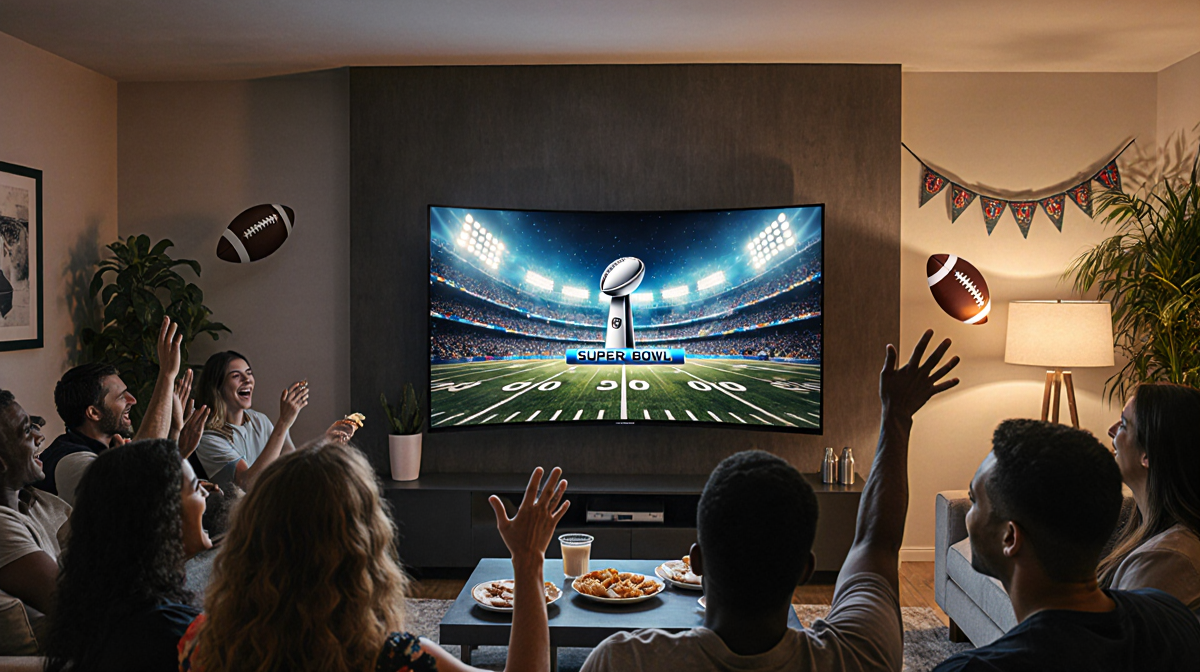
- Super Bowl LX will be held on Feb. 8 in Santa Clara, California.
- The game will air on NBC and stream on Peacock with Dolby Atmos audio.
- OLED and LCD (QLED/LED) are the two dominant display technologies.
- Why it matters: Choosing the right TV now can save money and deliver the best game-day experience.
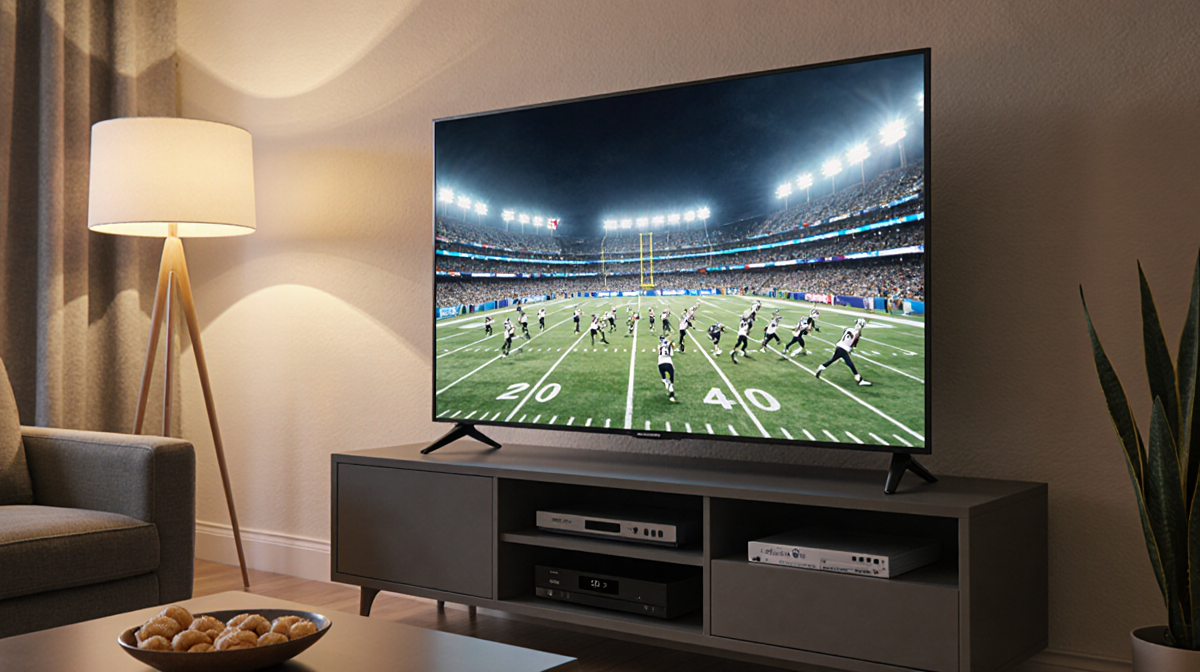
The 2026 Super Bowl promises a high-energy broadcast that deserves a TV capable of delivering sharp image, deep blacks, and immersive sound. With new models arriving in spring and major discounts still available, now is the optimal time to shop.
Super Bowl TV Buying Guide
The Super Bowl is a major event that can test any television’s performance. For a smooth viewing experience, consider:
- Picture quality: Look for deep blacks, accurate color, and good contrast.
- Sound: Dolby Atmos or other surround formats add realism.
- Smart features: Built-in apps or a reliable streaming stick.
- Size: A larger screen enhances immersion.
OLED vs. LCD
OLED panels are known for their perfect black levels and excellent contrast, making them ideal for high-contrast sports footage. LCD panels-particularly those with mini-LED local dimming-offer bright, vivid images and are often more affordable.
| Feature | OLED | LCD (Mini-LED) |
|---|---|---|
| Black level | Excellent | Good |
| Brightness | Moderate | High |
| Price | Higher | Lower |
The LG C4 OLED has outperformed many mini-LED models in tests, while the TCL QM8K delivers strong color and brightness at a more accessible price.
Timing Your Purchase
The TV buying cycle peaks around Black Friday and extends through the winter into early spring. Manufacturers usually release new models at CES, and prices typically drop during the holiday season.
- Black Friday & Cyber Monday: Best for deep discounts.
- Early spring: New 2026 models arrive, but older models still have substantial markdowns.
- Late winter: Prices start to rise again as the cycle resets.
Waiting until the fall can yield the largest savings, but the current winter discounts still offer significant value.
Key Specs That Matter
When comparing TVs, focus on the following specs:
- HDR support: HDR10 and Dolby Vision improve contrast and color.
- Local dimming: More dimming zones mean better contrast.
- Refresh rate: 120Hz is beneficial for sports and gaming.
- Input lag: Lower is better for responsive gaming.
While spec sheets can be confusing, the most important numbers are:
- 4K resolution: Four times the pixel count of 1080p.
- HDR compatibility: Enhances brightness and color.
- Mini-LED local dimming zones: More zones generally equal better contrast.
Choosing the Right Size
A larger screen creates a more immersive experience. For most rooms:
- Bedroom: Minimum 43 inches.
- Living room: Minimum 55 inches.
- Large living space: 65 inches or larger.
Avoid undersized TVs; they can feel cramped during a game. If you have an existing entertainment center, ensure you leave space for ventilation.
4K, HDR, and Future Tech
Nearly all TVs 50 inches or larger now come with 4K resolution and HDR support. While 8K TVs exist, they are expensive and lack content, so 4K remains the best choice.
- 4K: Provides four times the pixel density of 1080p.
- HDR: Improves contrast and color depth.
- Dolby Vision: Often delivers better dynamic range than HDR10.
Streaming services like Netflix, Amazon Prime Video, Disney Plus, and Max offer 4K HDR content, making 4K HDR TVs a solid investment.
Connectivity and Smart Features
Modern TVs primarily use HDMI for connectivity. Ensure the model has enough HDMI ports for your devices, and consider HDMI 2.1 if you own a PlayStation 5 or Xbox Series X.
Smart TV platforms vary:
- Google TV: Offers a broad app selection but may feel cluttered.
- Roku: Known for simplicity and a clean interface.
- Amazon Fire TV: Works well with Alexa.
If the built-in smart platform is lacking, a separate streaming stick can provide a better experience.
Final Thoughts
The 2026 Super Bowl is an excellent opportunity to upgrade or replace your TV. OLED panels excel in contrast, while mini-LED LCDs deliver bright, colorful images at lower prices. Timing your purchase around the winter sales cycle can reduce costs without sacrificing quality.
For game-day success, pick a TV that:
- Offers 4K HDR and Dolby Atmos.
- Has a good balance of brightness and black level.
- Matches your room’s viewing distance.
- Comes from a reputable brand-most major brands perform similarly in reliability.
With these guidelines, you can confidently choose a TV that will bring Super Bowl LX to life, save money, and provide lasting entertainment.