Pet-Friendly Houseplants: A Guide for New Homeowners
Author: Joe Ferrari
Date: March 15, 2024
Tags: pet safety, houseplants, gardening
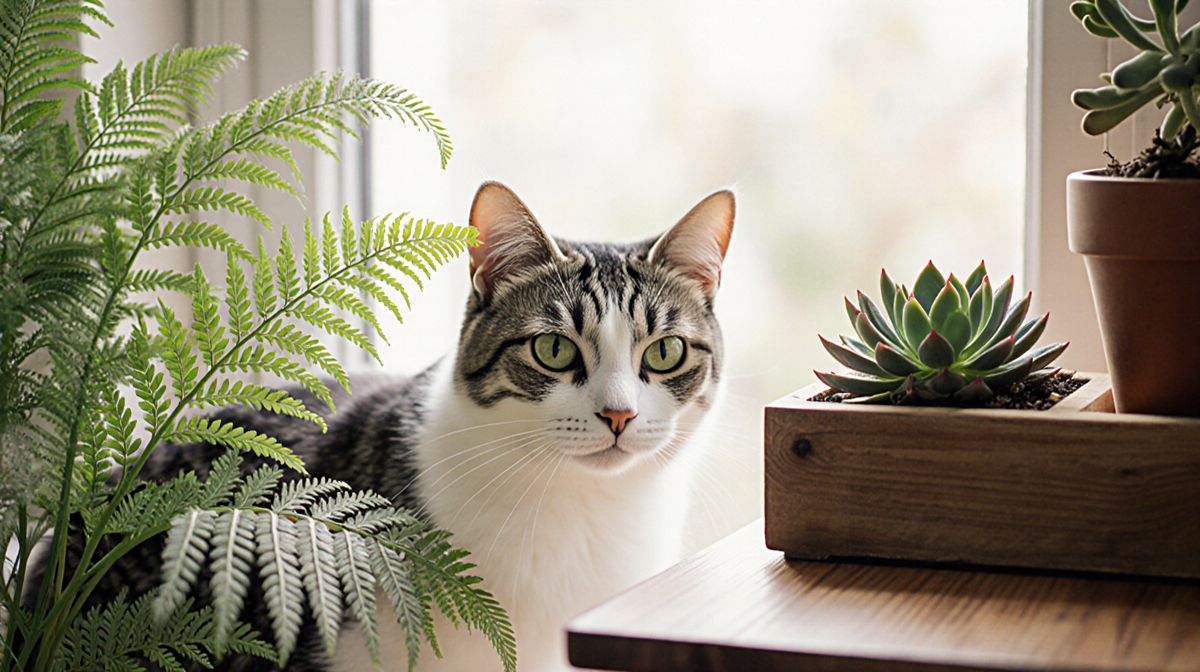
Choosing the right houseplants is a fun way to add life to your new home, but if you have a curious cat or a playful pup, you also need to think about pet safety. Below is a quick guide that helps you pick safe plants, spot the ones to avoid, and keep your furry friends healthy and happy. 🐶🌱
Quick Tips for Pet Safety
- Keep plants out of reach.
- Use pet-safe alternatives when possible.
- Monitor your pets for signs of distress.
Top 5 Pet-Safe Houseplants
- Snake Plant – Thrives in low light, minimal watering.
- Peace Lily – Good for low light, needs consistent moisture.
- Aloe Vera – Bright, indirect light; leaves are mildly toxic.
- Spider Plant – Works in bright or low light, easy to grow.
- Money Tree – Adds a tropical vibe, prefers shaded, humid spots.
Common Toxic Plants to Avoid
| Plant | Pet Safe? | Short Description |
|---|---|---|
| Dieffenbachia | ❌ | “Dumb cane” with large, hairy leaves; can cause vomiting. |
| Philodendron | ❌ | Glossy leaves that can irritate the mouth. |
| Pothos | ❌ | Heart-shaped leaves; toxic if ingested. |
| Sago Palm | ❌ | All parts are highly toxic, especially the seeds. |
| Jade Plant | ❌ | Leaves contain toxic compounds; can cause vomiting. |
What to Do If Your Pet Chews a Plant
- Remove the plant from reach.
- Watch for symptoms like vomiting, drooling, or diarrhea.
- Call your vet or the ASPCA hotline (1-888-903-7737) if symptoms appear.
Long-Term Health Risks of Plant Poisoning
Repeated exposure to toxic plants can lead to chronic liver or kidney damage, and weaken a pet’s immune system.
Keeping Your Pets Entertained
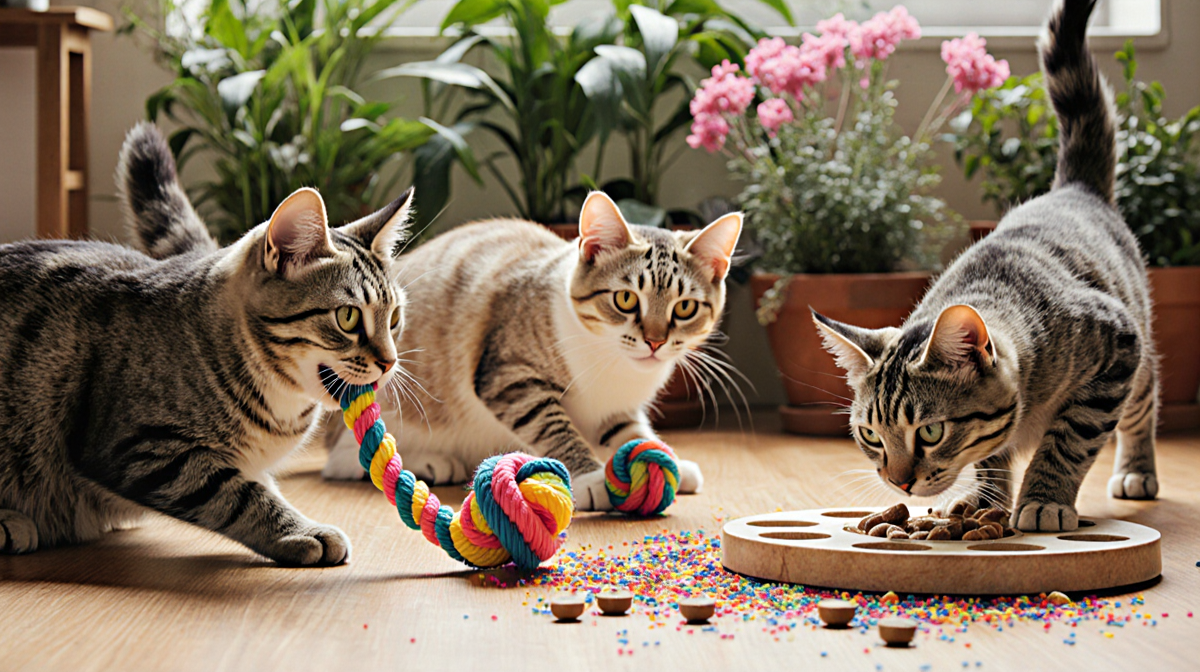
Provide chew toys, use bitter sprays on plants, and give plenty of exercise and mental stimulation.
Happy planting, and keep those paws off the dangerous ones!