
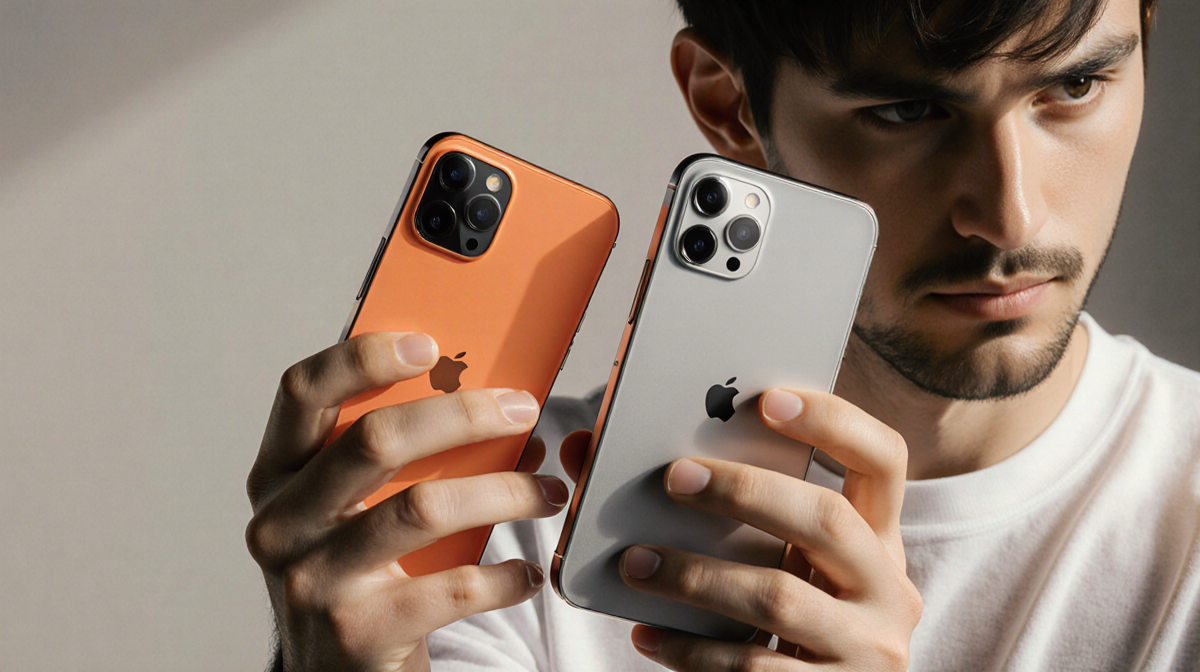
The best phones you can buy in 2026 come in a range of styles and price points, from the bright orange iPhone 17 Pro to the all-round Google Pixel 10 Pro and the feature-rich Samsung Galaxy S25 Ultra. They share fast processors, pro-level cameras, large displays and AI features, but they also carry hefty price tags. Below is a concise guide to help you decide what matters most and how to get the best value.
At a Glance
- Flagships start at $1,000 and feature 6.9-inch screens.
- Midrange models offer similar tech for a fraction of the price.
- Software support can last up to seven years, extending a phone’s useful life.
Why it matters: Understanding the trade-offs between performance, price and longevity lets you choose a phone that fits your budget and usage.
Flagships: Power and Prestige
Flagship phones aim to deliver the best possible experience. They typically include:
- 6.9-inch displays with high refresh rates.
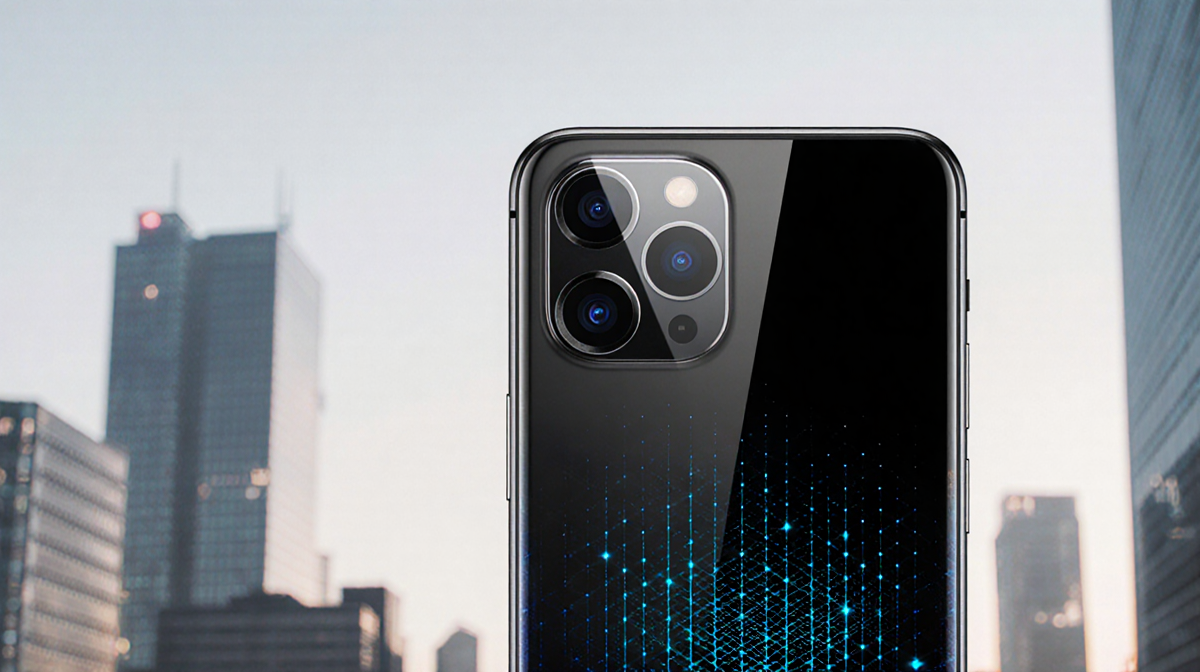
- Triple-camera arrays featuring optical zoom, night mode and optical image stabilization.
- 12 GB of RAM or more and the latest processors.
- 5G connectivity, which is now standard even on entry-level models.
The price reflects the premium build and cutting-edge features. For users who need the absolute best photography, gaming, or multitasking performance, a flagship is worth the investment. However, if you rarely use the phone for intensive tasks, a midrange model can deliver comparable performance at a lower cost.
Midrange and Budget Options
Midrange phones have absorbed many flagship features. Key advantages include:
- Wireless charging and multiple camera lenses.
- Fast charging (e.g., 80 W on the OnePlus 15) that tops a battery in about 30 minutes.
- Software updates that can last up to seven years, as Google now offers for its latest devices.
Budget phones still provide:
- 64 GB of internal storage, often expandable via microSD.
- Adequate camera quality for everyday photos and video.
- Sufficient power for browsing, social media and streaming.
Choosing a midrange or budget phone saves money without sacrificing essential features. When a flagship’s extra horsepower is unnecessary, the lower-priced alternative offers better value.
Smart Buying Strategies
To avoid overspending and to find the best deal, follow these steps:
- Define your priorities – screen size, camera quality, battery life, or software support.
- Shop during sales – look for Prime Day, Black Friday and holiday discounts.
- Consider last-year models – they often drop in price when new units launch.
- Check used options – ensure the device still receives security updates.
- Try the phone in person – feel its weight and test the display.
- Factor in accessories – a case and screen protector protect the phone and preserve resale value.
These tactics help you spend sensibly and avoid buying a phone that quickly becomes obsolete.
Key Specs to Compare
| Feature | Flagship | Midrange | Budget |
|---|---|---|---|
| Display | 6.9-inch, 120 Hz | 6.3-inch, 90 Hz | 6.1-inch, 60 Hz |
| Camera | Triple lens, optical zoom | Dual lens, night mode | Single lens |
| RAM | 12 GB+ | 6 GB | 4 GB |
| Storage | 256 GB+ | 128 GB | 64 GB |
| Battery | 5000 mAh | 4500 mAh | 4000 mAh |
| Software support | 7 years | 7 years | 3 years |
When comparing models, focus on the specs that align with your daily usage. For example, a gamer values RAM and battery life, while a photographer prioritizes camera quality.
Final Thoughts
Choosing the right phone depends on balancing performance, price and longevity. Flagships offer unmatched features but come with a high price tag. Midrange phones deliver most flagship capabilities at a more affordable cost, while budget options keep essential functions in reach. By prioritizing your needs, shopping smartly, and paying attention to software support, you can find a phone that serves you well for years.
—