At a Glance
- Mattel released its first autistic Barbie doll last week.
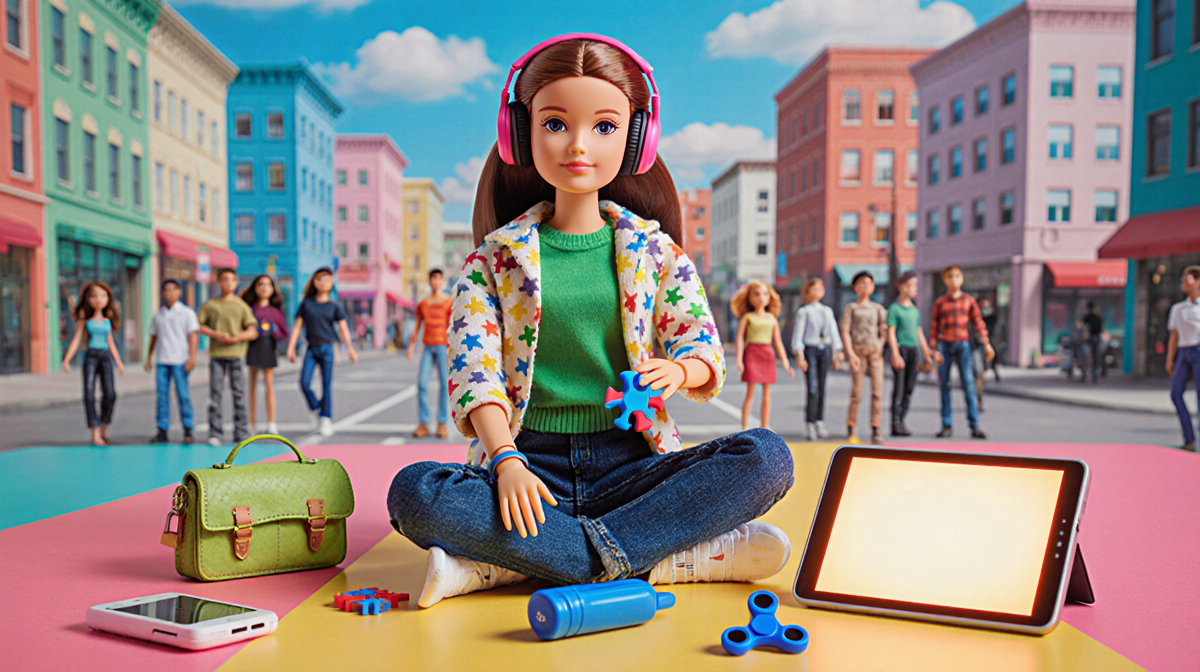
- The doll includes noise-canceling headphones, a fidget spinner, and an AAC tablet.
- It is part of the Fashionistas line, which also features dolls with Down syndrome, type 1 diabetes and blindness.
- Why it matters: It expands representation and offers sensory tools for children with autism.
Mattel’s new doll is the company’s first autistic Barbie, unveiled last week with a suite of sensory-friendly accessories. The release marks a significant step toward broader inclusion in the toy aisle. It also showcases how technology can be woven into play to support children with autism.
Overview
Mattel announced the launch of its first autistic Barbie, a doll that combines design adaptations with technology to aid sensory processing. The doll’s creators worked closely with the Autistic Self Advocacy Network (ASAN) over 18 months to ensure authenticity and usefulness. The collaboration reflects a growing trend of inclusive product development in the toy industry.
Design Features
The doll’s body incorporates elbow and wrist articulation, allowing for stimming, hand flapping and other gestures that help some autistic children process sensory information. Its eye gaze is slightly angled to the side, mirroring how many autistic people avoid direct eye contact. The loose-fitting purple pinstripe A-line dress reduces fabric-to-skin contact, while flat-sole purple shoes promote stability and ease of movement.
These physical adaptations are designed to make the doll more relatable and comfortable for children who experience sensory sensitivities. They also demonstrate Mattel’s commitment to designing toys that reflect diverse body types and needs. The attention to detail in the doll’s movement and posture offers a realistic play experience.
Technology Accessories
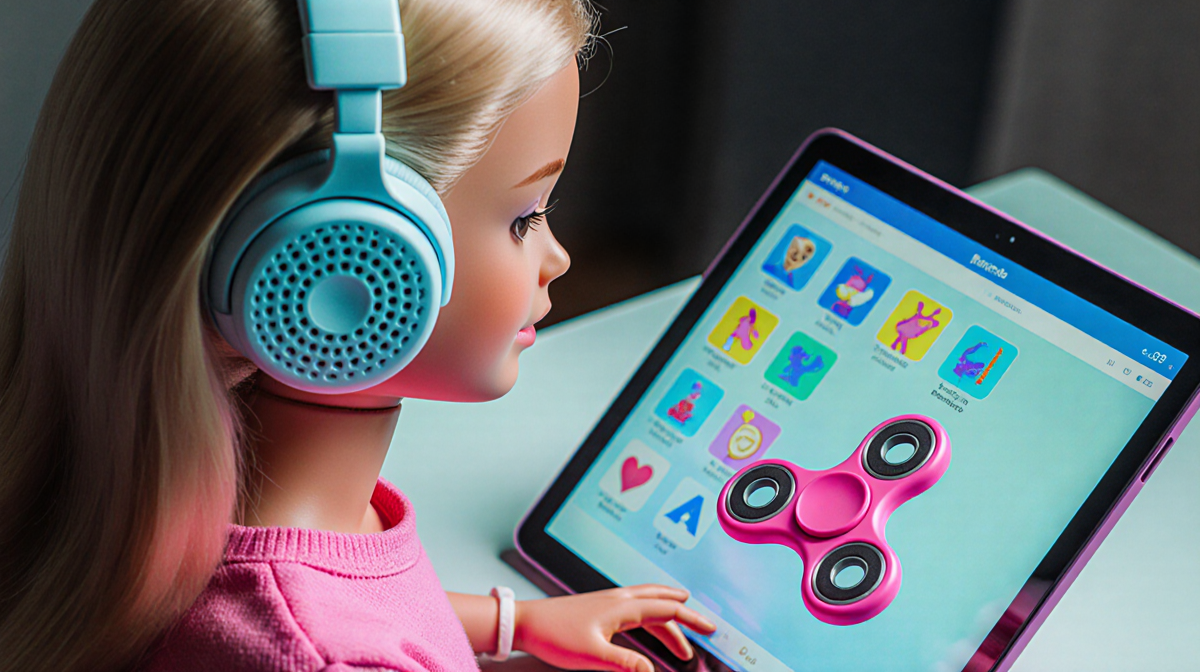
Included in the package are noise-canceling headphones in Barbie pink, a pink finger-clip fidget spinner that actually spins, and a pink tablet displaying symbol-based Augmentative and Alternative Communication (AAC) apps. The headphones help reduce sensory overload by blocking background noise, a common strategy used by many autistic individuals. The fidget spinner provides a tactile outlet to lower stress and improve focus.
The AAC tablet offers a platform for communication, allowing children to select symbols to express needs and emotions. This technology aligns with therapeutic approaches that use visual supports to facilitate speech. Together, these accessories transform the doll into a multi-sensory learning tool.
Collaboration with ASAN
Mattel and ASAN spent 18 months developing the doll, drawing on guidance from the nonprofit’s expertise. ASAN is run by and for autistic individuals, ensuring that the doll’s features resonate with the community it serves. This partnership underscores the importance of involving lived-experience voices in product design.
The collaboration also highlights the potential for corporate-nonprofit partnerships to create inclusive products. By consulting directly with autistic adults, Mattel gained insight into the specific needs of children with autism. The result is a doll that feels authentic to its target audience.
Inclusion and Representation
The autistic Barbie joins Mattel’s Fashionistas line, which already includes dolls representing Down syndrome, type 1 diabetes, and blindness. This line showcases a broader spectrum of identities and conditions, promoting visibility for often-underrepresented groups. Each doll is designed to reflect the unique experiences of its respective community.
Mattel’s statement emphasized that “every child deserves to see themselves in Barbie.” By adding an autistic doll to the lineup, the company expands the definition of inclusion beyond race and gender. The move aligns with growing consumer demand for diverse and representative toys.
Availability and Pricing
The doll is available for purchase now at several retailers. It is priced at $11 at Target online and Walmart, and $11.87 at Amazon. These prices position the doll competitively within the market for specialty and inclusive toys.
Mattel’s pricing strategy reflects the company’s goal of making inclusive products accessible to a wide audience. The cost is comparable to other Barbie dolls in the Fashionistas line, ensuring parity across the range. Availability across major retailers also increases the doll’s reach.
Impact and Donation
As part of the launch, Mattel is donating 1,000 autistic Barbie dolls to pediatric hospitals across the country. This initiative aims to provide children in medical settings with a familiar, supportive play item. The donation underscores Mattel’s commitment to social responsibility.
The donated dolls will be distributed to hospitals that serve children with a variety of needs, offering comfort and a sense of normalcy during treatment. By providing these dolls, Mattel hopes to foster a therapeutic environment that supports both physical and emotional healing.
Conclusion
Mattel’s first autistic Barbie represents a milestone in inclusive toy design, blending thoughtful physical adaptations with supportive technology. The partnership with ASAN and the donation of 1,000 dolls demonstrate a broader commitment to representation and community impact. As the toy market evolves, this launch signals a growing recognition of the importance of sensory-friendly products for children with autism.