At a Glance
- Police can request or seize home security footage via emergency requests, warrants, or voluntary registration.
- Security companies typically only share cloud footage for emergencies and notify users.
- Federal agencies also need warrants or emergency clauses; Section 702 may allow no-warrant surveillance of communications.
- Why it matters: Homeowners need to understand how footage can be accessed and how to protect privacy.
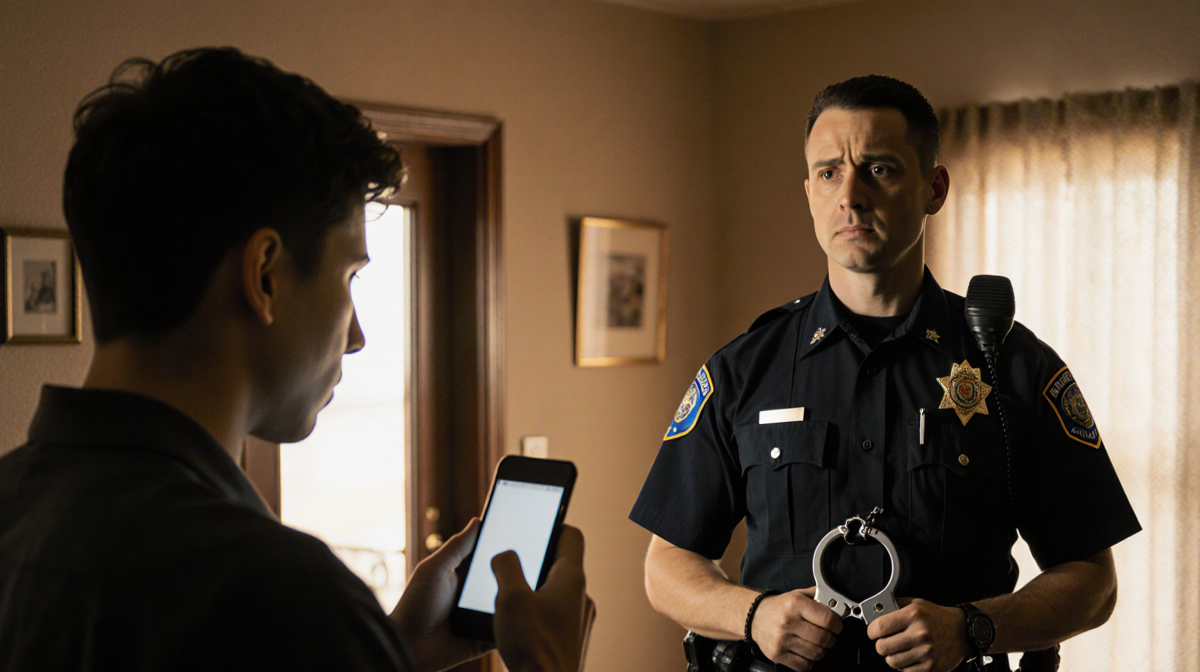
Homeowners who rely on smart cameras and video doorbells may wonder whether police can view their footage without their knowledge. The law allows law enforcement to obtain video from both local storage and cloud services, but the process differs depending on the situation.
What the Law Allows
Law enforcement can access your home security footage through three main avenues:
- Emergency requests – a legal right in life-or-death or high-stakes situations.
- Warrants or court orders – a formal legal instrument that lets police seize devices or data.
- Voluntary registration – a program where owners share camera locations with local police.
### 1. Emergency Requests
- Police can contact the cloud-storage provider directly.
- The request is limited to a specific incident and timeframe.
- Companies often narrow the scope to protect user privacy.
- Users may not be notified if the request is lawful.
> “Before complying with a request, we make sure it follows the law and Nest’s policies,” the company says. “We notify users about legal demands, when appropriate, unless prohibited by law or court order. And if we think a request is overly broad, we’ll seek to narrow it.”
Google Nest, Arlo, and Ring all handle emergency requests through their own channels. They typically do not allow police to view live feeds directly, even when the device is online.
2. Warrants or Court Orders
| Aspect | What a warrant allows | Typical requirement | Result for the homeowner |
|---|---|---|---|
| Local storage | Police can seize the device and read its memory | Evidence that a crime may have occurred on the property | The device may be taken and later returned, but the process can be lengthy |
| Cloud footage | Police can retrieve stored videos | Same evidence requirement | Users are usually notified, but the data may be accessed remotely |
| Duration | Usually limited to the scope of the investigation | Must be specified in the warrant | The homeowner can see the warrant if requested |
|
Warrants are common in cases where a crime is suspected on the property. Courts typically grant them when police can show probable cause. The Fourth Amendment generally prevents law enforcement from holding onto digital devices or data indefinitely.
3. Voluntary Registration
- Homeowners register camera locations with local police.
- Police can request footage near a crime scene.
- Programs exist in Buffalo, New York (SafeCam) and the Bay Area, California.
- Some companies, like Flock, partner with police to share footage through apps such as Ring’s Neighbors.
If you register, police can view and copy the footage for evidence. Registration programs often come with restrictions, such as prohibiting media sharing. Even with registration, police may still seek a warrant if you deny access.
Federal Agencies and Special Circumstances
Federal agencies-FBI, NSA, ICE-are bound by the same basic requirements as local police. They need a warrant, specific permission, or a life-threatening emergency clause. However, Section 702 of the Foreign Intelligence Surveillance Act allows the FBI, CIA, and NSA to seize electronic data without a warrant when investigating foreign intelligence or terrorism threats. Section 702 was recently renewed and expanded by the Senate.
The NSA’s carveout primarily targets internet and cell-phone communications, not home-camera footage. There is no evidence that the backdoor technologies used under Section 702 routinely capture home-security video.
Sharing Footage Online
Security brands often provide ways to post videos publicly via apps, forums, or social media. Anything posted in a public space can be used by law enforcement. Homeowners should think twice before sharing footage online, even if they are only seeking advice.
Changing Company Policies
Security-company policies on police requests can shift. For example, Ring recently ended its more liberal sharing program, limiting police to life-or-death requests only. Users should stay informed about policy changes for their specific brand.
Protecting Your Privacy
If you prefer to keep footage off the cloud, consider cameras that rely solely on local storage. This limits police access to warrants only. Some devices also feature bright LED lights or tamper-evidence mechanisms to deter unauthorized viewing.
Our top pick for a local-storage home security camera is the Lorex 4k, which offers high-resolution video without a subscription plan.
Key Takeaways
- Police can access your footage through emergency requests, warrants, or registration.
- Cloud providers usually notify users unless legally prohibited.
- Warrants are the most common method for seizing local-storage devices.
- Federal agencies follow the same rules but may use Section 702 for certain investigations.
- Publicly shared footage can be used by law enforcement.
- Policies of companies like Ring and Nest can change; stay updated.
- Using local-storage cameras reduces police access to only warrant-based seizures.
Homeowners should review their security-system contracts, understand the legal pathways police can use, and decide how much data they are comfortable storing in the cloud.