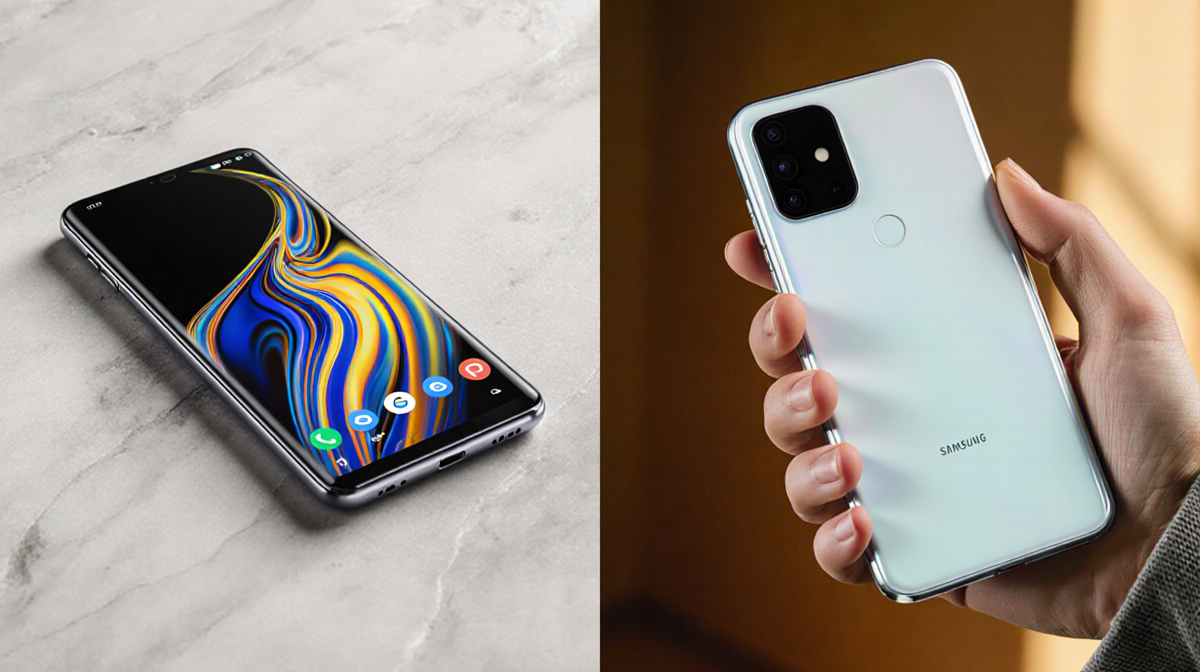
2025 Phone Showdown: Flagships vs. Mid-Tier Models
The smartphone market in 2025 is crowded with flagship models that boast blazing-fast processors, 4K-8K video, and huge batteries. The iPhone 17 Pro Max and Samsung Galaxy S25 Ultra, for example, cost well over $1,000 and promise more than a day and a half of battery life. But the question isn’t just about how much you’re willing to spend – it’s about what matters most to you: screen size, camera quality, battery life, or software ecosystem.
—
Flagships: The Big-Spending Option
Apple’s newest flagship, the iPhone 17 Pro Max, starts at $1,199 for the 256-GB version. It’s powered by Apple’s A19 Pro chip, offers a 6.3-inch adaptive-refresh-rate OLED that can reach 1,200 nits, and packs a 5,200-mAh battery that can deliver up to 22 hours of video playback. The camera setup includes a 50-MP wide sensor, 50-MP ultrawide, and a 10-MP telephoto that can zoom up to 5×. The phone also has a 4K 8K video capture mode and an always-on display. The price is justified by the fact that the device is aimed at power users who want the best possible camera performance, battery life, and software longevity.
Samsung’s Galaxy S25 Ultra is a similar story. It starts at $1,300 and ships with a 4,700-mAh battery, a 2,600-nit peak-brightness screen, and the Exynos 2500 processor. The phone is also IP68-rated and includes a satellite SOS feature that lets users send an emergency message even when there’s no cell coverage.
Both flagships run on the newest Android and iOS operating systems and are guaranteed to receive seven years of OS and security updates. For users who want the ultimate in performance and camera quality, these flagship models are still the best bet.
—
Mid-Tier Models: The Sweet Spot
If you’re willing to spend between $500 and $800, you can still get a phone that does almost everything that a flagship can do, but for a fraction of the price. Google’s Pixel 10 starts at $799 and offers a 48-MP wide camera, a 4-K 8K video capture mode, and the Tensor G5 processor. The phone also has a 4,400-mAh battery that can reach up to 30 hours of video playback.
The Pixel 9A is a great example of a mid-tier phone that packs a punch. It starts at $499 and offers a 50-MP wide sensor, 12-MP ultrawide, and a 10-MP telephoto. The device also runs on the Tensor G4 and has a 4,300-mAh battery that can reach up to 30 hours of video playback.
Android users who want a good camera and battery life can consider the OnePlus 15, which was released in November 2025. The phone uses a silicon-carbon battery that is one of the longest-lasting batteries we’ve ever tested. The phone also runs on the Snapdragon 8 Elite for Galaxy.
—
Buying Strategy: When to Make Your Purchase
The best time to buy a phone is just after it’s announced. Companies often offer pre-order discounts and bundles that include accessories for free. Trade-in values are usually highest in the first month after a new phone launches, which can lower the price by hundreds of dollars.
If you’re looking for a good deal, keep an eye on sales around major holidays such as Prime Day and Cyber Monday. Stores often discount older models to clear inventory. It’s also worth visiting a physical store to test the phone’s feel and performance before buying.
—
Choosing Between Android and iPhone
If you’re already invested in Apple’s ecosystem – iCloud, Apple Music, and the App Store – staying on iOS is the easiest route. On the other hand, if you’re an Android fan who uses Google services, the Android experience may be more comfortable.
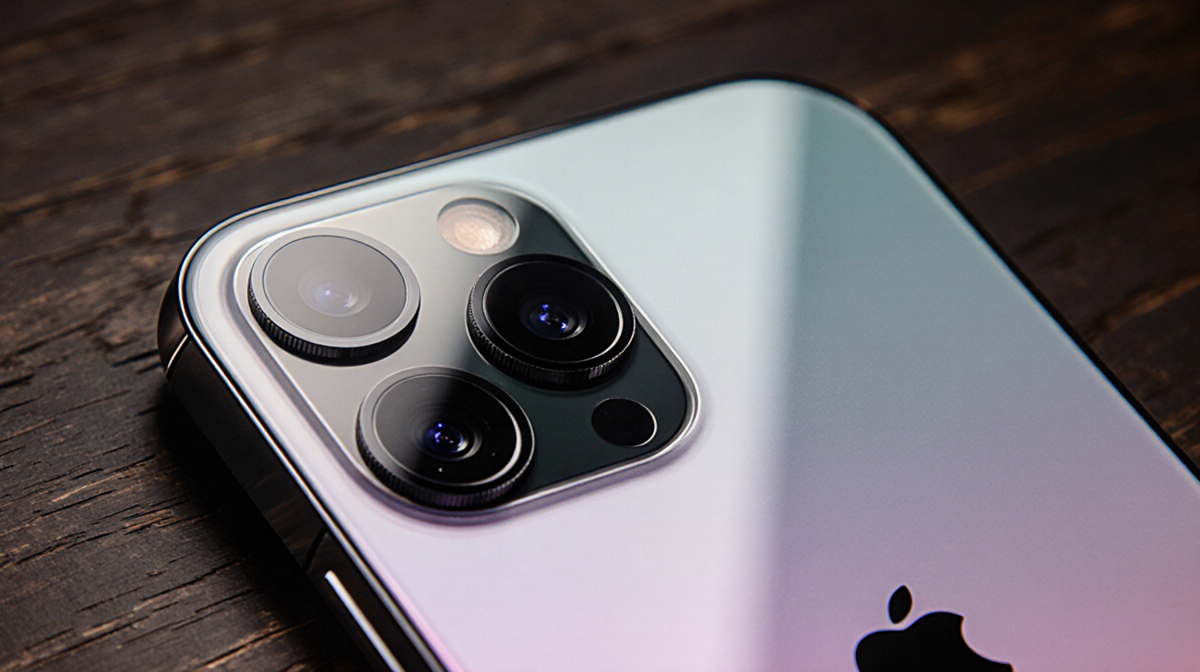
Both platforms offer robust security features such as Crash Detection and Emergency SOS via Satellite. iPhones also have an always-on display and a dynamic island that enhances usability.
—
Final Verdict
For power users who need the best camera, battery life, and software longevity, flagships like the iPhone 17 Pro Max and Galaxy S25 Ultra are still the top choices, even though they come with a hefty price tag. For users who want a balance of performance and affordability, mid-tier models such as the Pixel 10 and OnePlus 15 offer excellent value.
Ultimately, the best phone for you depends on which feature matters most to you-screen size, camera quality, battery life, or ecosystem. By understanding the trade-offs and timing your purchase right, you can get the best phone for your needs without breaking the bank.
—