
- Consistent sleep
- Regular walking
- Daily reading
- Regular meditation
- Nature exposure
- Plant-based meals
- Adequate hydration
- Reduced alcohol
- Quit smoking
- Social connection
- Electronics break
- New hobby
In today’s fast-paced world, cultivating healthy habits is essential for overall well-being. This guide presents 12 evidence-based practices that support better sleep, movement, nutrition, stress management, social interaction, and lifelong learning.
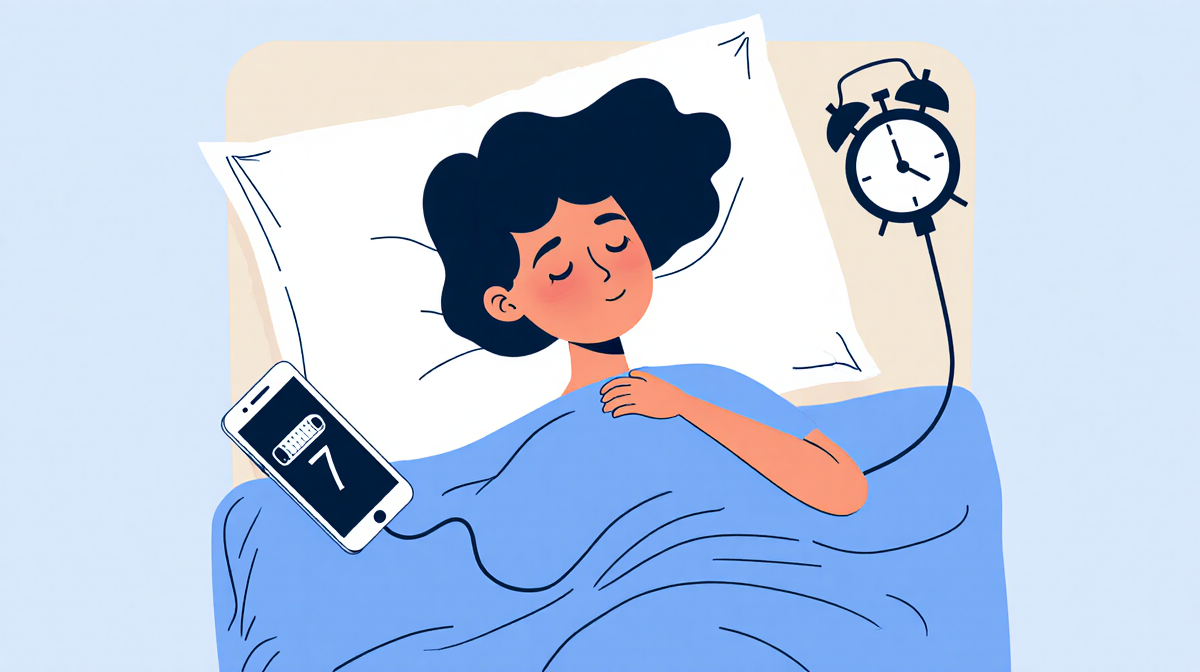
Sleep is like charging a phone; your body needs time to recharge. Adults should get at least 7 hours of shut-eye each night. Your natural circadian rhythm helps you fall asleep, stay asleep, and wake refreshed. Keep a consistent bedtime and wake time, even on weekends. Good sleep hygiene also involves limiting caffeine after mid-afternoon. Avoid large meals close to bedtime to support restful nights.
Your body benefits from regular movement, especially walking. Walking improves circulation and provides a mental reset. It also helps maintain cardiovascular health. Make walking a habit by setting reminders or walking with a friend. Even short walks can provide a mental reset after a busy day. Make walking a habit by setting reminders or walking with a friend.
Reading expands knowledge and reduces stress. It improves focus and offers a mental escape. Choose books that interest you to stay engaged. Reading before bed can also signal your brain to wind down. This habit supports lifelong learning and curiosity.
Mindfulness reduces anxiety and improves emotional regulation. Consistent practice supports a calm mindset. Meditation practice has been linked to reduced anxiety and better emotional regulation. Consistency is key; practice daily to build a calming routine. Over time, meditation can enhance your ability to handle stress.
Nature exposure reduces cortisol and promotes relaxation. It can also improve creative thinking. If you live in a city, a park can serve as a natural retreat. Nature exposure has been linked to reduced stress hormones. This habit supports mental clarity and well-being.
Plant-based meals are rich in nutrients and fiber. They support digestive health and heart function. Plant-based meals can be delicious and satisfying. Experiment with new recipes to keep your diet interesting. This practice encourages balanced nutrition and sustainability.
Adequate hydration supports overall health and concentration. Dehydration can lead to headaches and fatigue. Hydration levels affect your energy and concentration. Notice if you feel sluggish and drink water to counteract it. This habit promotes optimal bodily function.
Alcohol consumption affects sleep quality and overall health. Reducing alcohol can improve liver function and lower cancer risk. Gradually cutting back can make the transition smoother. Track your consumption to stay accountable. This habit supports long-term health.
Smoking harms lung capacity and increases disease risk. Quitting improves respiratory function and reduces secondhand exposure. Consider nicotine replacement or counseling to support cessation. Success rates improve when you have a plan and support. This habit reduces health risks.
Social interaction releases oxytocin, boosting mood and stress resilience. Regular contact can also improve sleep quality. Shared meals or activities reinforce bonds and create positive memories. Even brief conversations can lift spirits. This habit strengthens emotional support.
Limiting electronics before bed reduces blue light exposure, which can interfere with melatonin production. It also encourages deeper, more restorative sleep. Set boundaries for device usage to protect mental health. Use notifications to remind yourself to pause. This habit protects mental well-being.
Hobbies stimulate the reward system and provide accomplishment. They also offer opportunities to learn new skills. Hobbies can provide a sense of accomplishment and joy. They also offer opportunities to learn new skills. This habit fosters personal growth.
- Start with one habit and gradually add others.
- Use reminders or a habit-tracking app to stay on track.
- Adjust the habit to fit your preferences.
- Celebrate small wins to maintain motivation.
# Common Pitfalls
Some habits may feel unfamiliar, like meditation or digital detox.
Persistence and gradual adaptation can overcome initial discomfort.
Over-commitment can lead to burnout, so pace yourself.
Seek balance and adjust expectations.
Consistent practice of these habits can lead to measurable health improvements.
Over time, the cumulative effect supports resilience and quality of life.
Explore local community centers or online groups for walking, reading, or hobby clubs.
Seek professional guidance for smoking cessation or alcohol reduction.
Set measurable goals, such as minutes slept or pages read.
Review progress weekly to adjust strategies.
Adopting these habits is a journey, not a one-time change.
Small, intentional steps build lasting health and happiness.
- Consistent sleep improves overall well-being.
- Regular walking supports cardiovascular health.
- Reading reduces stress and expands knowledge.
- Social connection enhances mood and resilience.
- Digital boundaries protect mental health.
- New hobbies foster growth and joy.