At a Glance
- Distilled water is a clean, mineral-free source ideal for emergencies and medical devices.
- You can produce it at home with a pot, a smaller pot, ice, and a few minutes of heat.
- The process turns tap water into vapor and condenses it back into liquid.
- Why it matters: A ready supply of distilled water protects health, appliances, and pets during shortages.
Preparing for emergencies often starts with water. A clean source of drinking water, wound-cleaning fluid, and a mineral-free fluid for medical equipment can be a lifeline when storms or power outages cut off normal supplies. Distilled water fits this role because it is free of minerals and impurities. Even though it tastes bland, it is safe for many uses and can be produced at home with everyday kitchen tools.
What Is Distilled Water?
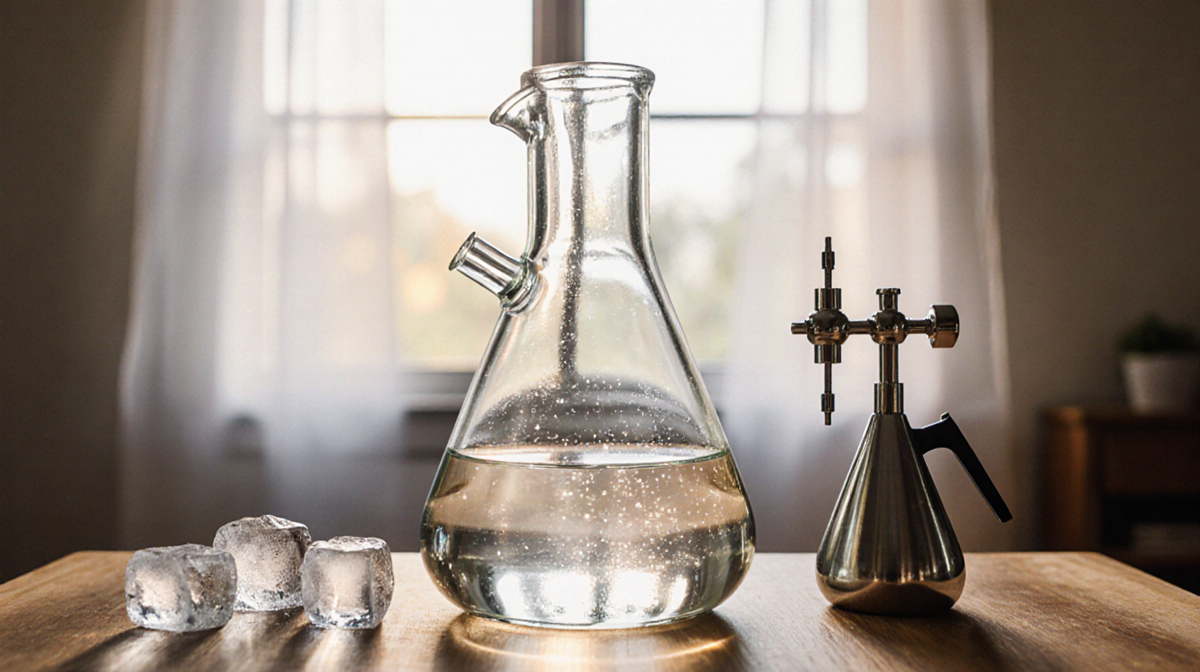
Distilled water is the result of boiling tap water and then condensing the steam back into liquid. The vapor leaves behind minerals, chemicals, and other contaminants. The final product meets a standard of 10 parts per million of total dissolved solids or less.
| Water Type | Source | Typical Treatment | Key Feature |
|---|---|---|---|
| Tap | Municipal supply | Disinfection, minimal filtration | May contain minerals and chemicals |
| Filtered | Tap, filtered through carbon or micron filters | Removes chlorine, pesticides, metals | Still contains some minerals |
| Purified | Tap, multi-stage purification | Removes chemicals, bacteria, fungi | More thorough than filtering |
| Distilled | Tap, boiled and condensed | Removes all dissolved solids | Free of minerals and impurities |
The process is simple: heat tap water until it turns to vapor, then allow the vapor to condense on a cooler surface, leaving the impurities behind.
Why Make It at Home?
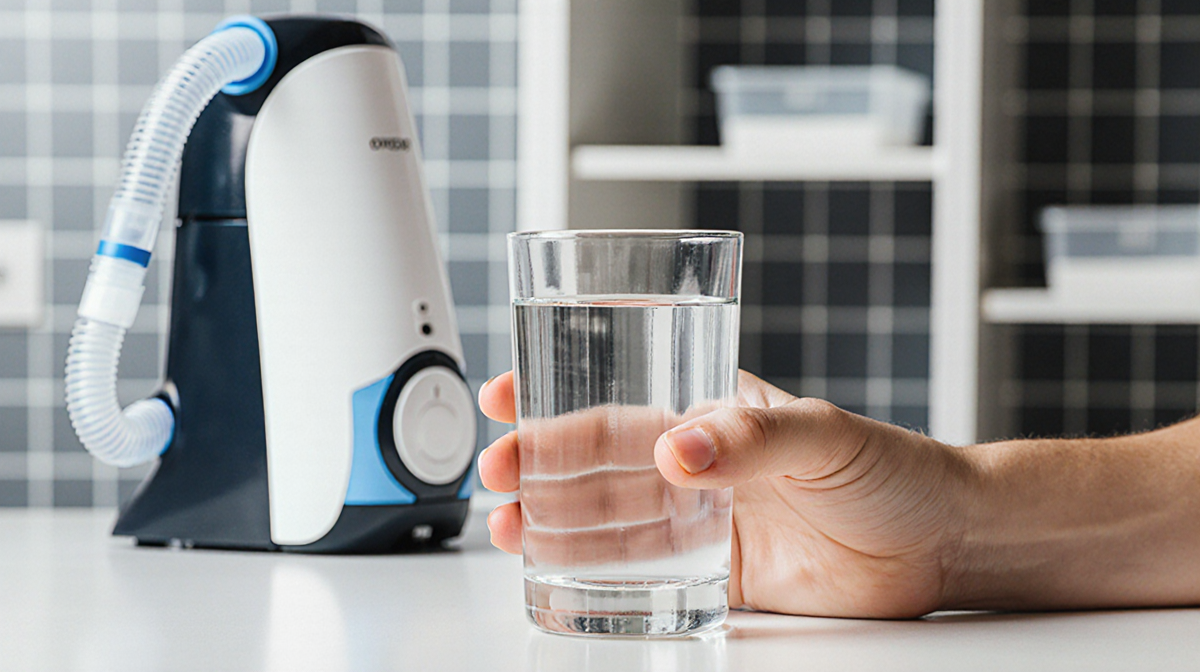
Many people don’t consider distilled water until they need it. If you use a CPAP machine, a humidifier, or any medical device that requires mineral-free water, a home supply can save you from a store shortage. It also helps:
- Prevent lime-scale buildup in aquariums.
- Protect engine parts from corrosion.
- Produce a cleaner all-natural household cleaner.
Because the market has seen shortages, having a homemade supply can give peace of mind during severe weather or supply disruptions.
Storage Tips
Distilled water can last a long time if stored properly. Avoid direct sunlight and warm temperatures. Choose a container that won’t leach chemicals; glass or high-quality stainless steel is best for long-term storage. For short-term use, most plastic containers are acceptable.
How to Distill Your Own Water
Below is a step-by-step guide that uses a large pot, a smaller pot, ice, and a few kitchen staples.
Equipment Needed
- Large pot with lid
- Small pot that fits inside the large pot
- Ice (from a freezer or ice tray)
- Oven mitts
- Stove
Step-by-Step Process
- Place the large pot on the stove and add 8 cups of tap water. Place the small pot inside the large pot so it floats on the water.
- Turn the burner to a steady simmer, somewhere between 180 and 200 degrees Fahrenheit. Avoid a hard boil; a gentle heat keeps the process efficient and safer.
- Invert the lid of the large pot so the rim faces downward. The inverted lid creates a cold spot where steam condenses.
- Add ice to the top of the inverted lid. The temperature difference between the hot steam and the cold lid speeds up condensation.
- Wait. The process can take about an hour to produce 1 ¼ cup of distilled water from 8 cups of tap water. If you need a gallon, expect roughly 13 hours of distillation.
The distilled water collects in the small pot. Use oven mitts when handling the hot lid or melting ice.
Practical Uses
- Medical Devices: CPAP machines, humidifiers, and other equipment that require mineral-free water.
- Aquariums: Prevent scale and keep fish healthy.
- Cleaning: Make an all-natural cleaner that won’t leave mineral deposits.
- Automotive: Use in car engines to avoid corrosion.
Summary
Distilled water is a valuable resource for emergencies and specialized applications. By using a simple pot and ice, you can produce clean, mineral-free water at home. Store it properly, and you’ll have a reliable supply that protects health, appliances, and pets when store shelves run low.
Key Takeaways
- Distilled water is produced by boiling tap water and condensing the steam.
- A home distillation setup yields 1 ¼ cup from 8 cups of tap water in about an hour.
- Store distilled water in glass or stainless steel to avoid leaching.
- Use distilled water for medical devices, aquariums, cleaning, and automotive needs.
For more tips on keeping your home running smoothly during a storm, check out guides on cleaning mold from washing machines and unclogging toilets.