
At a Glance
- Automated removals scan and request removal from a set of data brokers.
- Custom removals let you target sites not covered automatically, but require manual effort.
- The highest-tier plans can cover 1,755 sites when both methods are used.
- Choosing the right mix depends on how much coverage you need and how much work you’re willing to do.
Automated and custom data removal services help people delete personal information from data brokers and people-finder sites. The choice between the two depends on how much coverage you want and how much effort you’re willing to put in.
What Are Automated Removals?
Automated removals are the standard option that every data-removal company offers. A service will scan the web for details you provide-such as your name, address and date of birth-across a predefined list of brokers and people-finder sites. If it finds a match, the service sends a removal request to that site. You typically receive a report confirming that the request was made.
- Coverage: Most services cover a few hundred sites.
- Ease: Set it and forget it; no extra work is required.
- Examples: Aura performs only automated removals.
What Are Custom Removals?
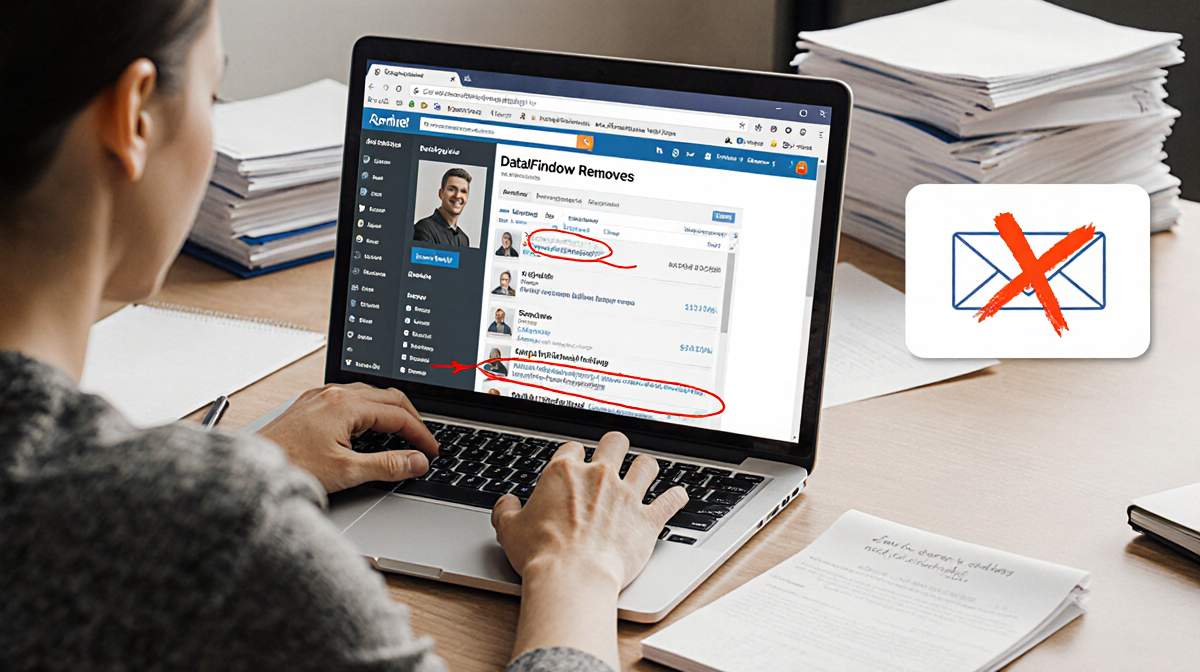
Custom removals give you more control and potentially greater coverage. If you locate your information on a broker or people-finder site that isn’t on the service’s automated list, you can forward the link and details to the company. The service then reviews the submission for eligibility and may try to remove the data. Because you are actively identifying targets, custom removals can reach brokers that automated lists miss.
- Coverage: Can reach thousands of additional sites.
- Work: Requires you to find and submit each link.
- Availability: Not all services offer custom removals.
Service Comparisons
Below is a quick look at how some popular plans stack up in terms of automated and custom coverage.
| Service | Automated Coverage | Custom Coverage | Total Coverage |
|---|---|---|---|
| Incogni Standard | – | – | – |
| Incogni Unlimited | – | – | – |
| Optery Ultimate | 635 | 1,120 | 1,755 |
Incogni’s Standard and Family plans focus on automated removals only. Its Unlimited and Family Unlimited tiers add custom removals, but at a higher price point. Optery’s Ultimate plan, by contrast, includes both automated and custom options, giving users a potential reach of 1,755 sites.
Which Is Better?
The answer hinges on your priorities.
- If you want a hassle-free experience: Automated removals are sufficient. They cover the most common brokers and require no extra input.
- If you need deeper coverage: Custom removals are worth the extra effort. They allow you to target niche brokers that automated lists miss.
- Cost considerations: Custom options usually come in higher-tier plans, which also include automated coverage.
Choosing a Plan
When selecting a data-removal service, consider the following:
- Identify your data-broker targets: Make a list of brokers you know you want to remove from.
- Check the service’s automated list: Does it cover those brokers?
- Decide if you’re willing to submit custom requests: If you’re comfortable finding links, custom coverage can be invaluable.
- Compare pricing: Higher tiers provide more coverage but come at a premium.
A practical way to think about the two methods is the pizza analogy. Automated removals are like a cheese pizza-standard and ready to eat. Custom removals are like a build-your-own pizza-you pay a bit more and add toppings that suit your taste.
Key Takeaways
- Automated removals are quick and cover a core set of brokers.
- Custom removals extend reach but need manual work.
- High-tier plans can cover up to 1,755 sites when both methods are combined.
- Match your plan to how much coverage you need and how much effort you’re willing to invest.
By understanding the differences and aligning them with your privacy goals, you can choose a data-removal service that best protects your personal information.