
At a Glance
- Monica Quinn was confirmed safe by the Los Angeles Sheriff’s Department on January 24 after a six-month search.
- The department thanked the public, media, Aero Bureau, and deputy personnel for their tireless efforts.
- The case adds to California’s average of 20,000 active missing-person reports.
Why it matters: The recovery highlights the importance of community cooperation and the rapid response required by California law for missing-person cases.
—
Monica Quinn was safely located by the Los Angeles Sheriff’s Department (LASD) on January 24, ending a six-month search that began in July 2025. The department issued a statement via its Facebook page, expressing gratitude to the public, media, Aero Bureau, and deputy personnel for their tireless efforts. The announcement followed a bulletin released when Quinn first went missing.
The Search and Rescue Effort
The LASD’s release noted, “Thank you to the public, the media, Aero Bureau, and deputy personnel for their tireless efforts in the search for Monica,” the department said. While the department did not disclose the exact circumstances of Quinn’s safe return, the statement emphasized community collaboration as a key factor in the successful outcome.
The Missing Person Bulletin
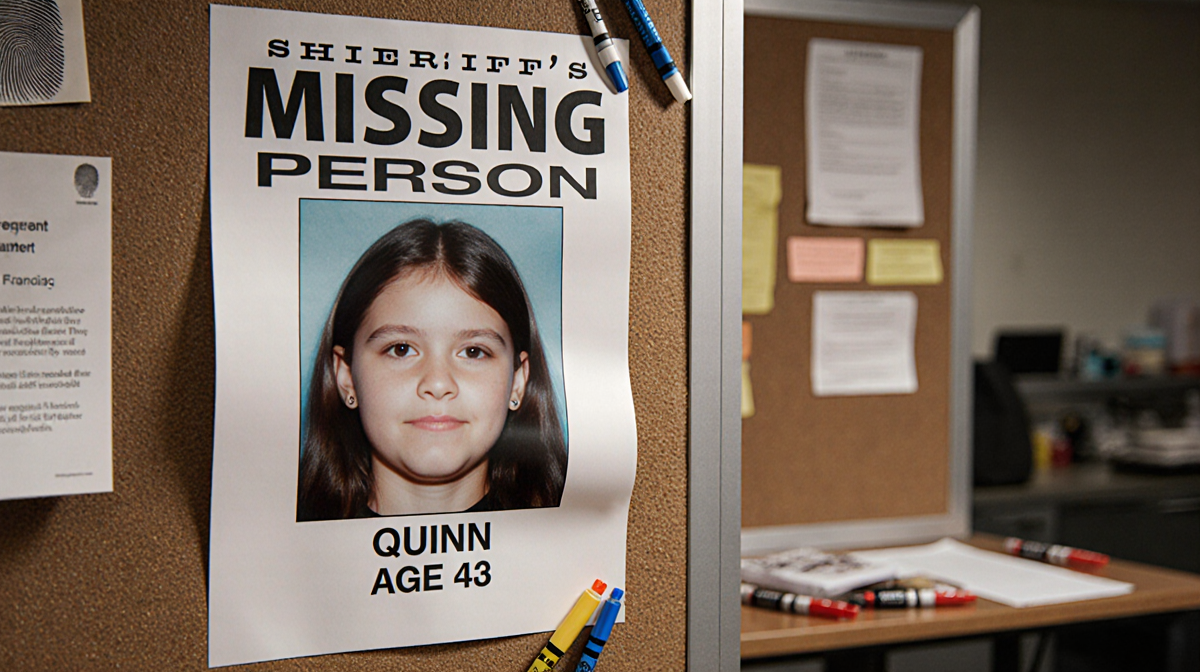
When Quinn disappeared, her family reported her absence to LASD. The bulletin posted by the department included:
- Name: Monica Quinn
- Age: 43
- Height: 5 feet, 5 inches
- Weight: about 160 lbs
- Hair: Black
- Eyes: Brown
The bulletin also mentioned that LASD was unsure of the exact clothing details, a common challenge in missing-person reports. Despite the lack of mental or health condition information from the family, the description helped local law enforcement and volunteers narrow the search.
LASD’s Role and Reporting Requirements
California law requires that any missing-person report-whether a runaway, missing child, or adult-be accepted by law enforcement without a mandatory waiting period. The State of California Department of Justice confirms that agencies must act immediately. This legal framework facilitated the LASD’s rapid response and continuous search efforts.
Family Concerns and Public Support
Quinn’s family expressed concern after they stopped receiving contact from her in July 2025. The public’s involvement was instrumental: community members provided tips, shared photographs, and helped spread the bulletin across social media platforms. The LASD’s acknowledgment of the public’s role underscores the collaborative nature of missing-person investigations.
Missing Person Statistics in California
California’s Department of Justice reports that the state averages around 20,000 active missing-person cases at any given time. This figure highlights the volume of cases that agencies like LASD must manage and the importance of efficient reporting and community engagement.
Timeline of Events
| Date | Event |
|---|---|
| July 2025 | Quinn goes missing; family reports concern to LASD |
| January 24, 2026 | LASD confirms Quinn is safe and releases thank-you statement |
| January 26, 2026 | Public article published by Amanda S. Bennett for News Of Los Angeles |
Key Takeaways
- The successful recovery of Monica Quinn demonstrates the effectiveness of coordinated law-enforcement and community efforts.
- California’s legal requirement for immediate acceptance of missing-person reports plays a crucial role in prompt investigations.
- The average of 20,000 active missing-person cases in the state underscores the need for public vigilance and cooperation.
- The LASD’s public acknowledgment of community support may encourage future collaboration in similar cases.
—
The LASD did not immediately respond to a request for comment about Quinn’s disappearance on January 26. However, the department’s public statement and the timeline of events provide a clear picture of the investigation’s progression and outcome.
—
This article was written by Amanda S. Bennett for News Of Los Angeles.