
Introduction
Online selling has become a popular way to earn extra cash or build a business, but the tax rules that apply can be confusing. Whether you’re listing a used couch on Facebook Marketplace or selling handmade jewelry on Etsy, you need to understand how the IRS tracks your income and what you must report.
At a Glance
- $20,000 and 200 transactions trigger a Form 1099-K for the 2025 tax year.
- Personal sales that result in a loss are not deductible.
- Business-level sellers can deduct ordinary and necessary expenses such as platform fees and shipping.
- Why it matters: Accurate reporting prevents penalties and helps you claim legitimate deductions.
How Online Selling Is Tracked for Tax Purposes
When you receive payments through third-party networks-PayPal, Venmo, eBay, Etsy, or Facebook Marketplace-the platform may report those payments to the IRS on Form 1099-K. The form records total payments that exceed the reporting threshold.
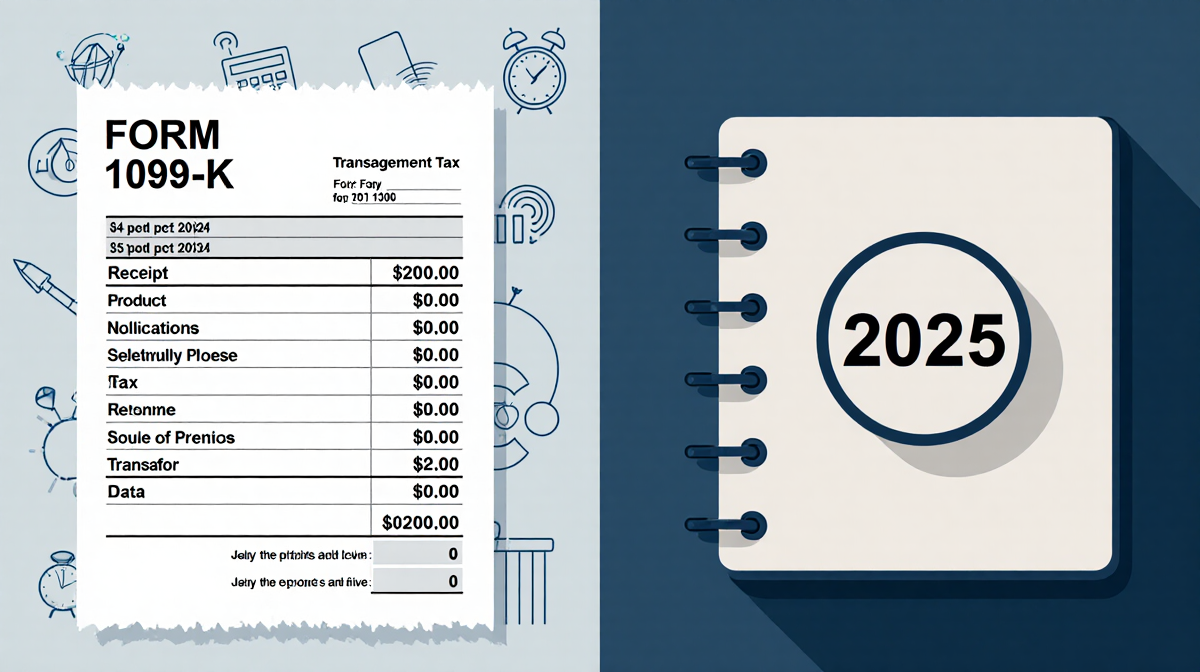
For the 2025 tax year, a seller receives a Form 1099-K if they collect more than $20,000 in payments and have more than 200 transactions in a calendar year. Even if you don’t get a 1099-K, any income you earn from online sales still must be reported on your tax return.
If you meet the threshold for more than one platform, you could receive multiple 1099-Ks. The IRS uses these forms to verify the income you declare, but they do not determine whether you owe tax-your profit level does.
When Do You Need to Report Income?
Online sales fall into three broad categories, each with different reporting rules.
1. Reselling Personal Items
- If you sell an item for less than what you originally paid, the sale is not taxable, and you cannot claim a loss.
- Example: A couch bought for $1,200 sold for $350-no taxable profit.
- If you sell for more than the purchase price, the gain must be reported.
2. Hobby Income
- Casual sellers who occasionally list items or sell handmade goods without a consistent income stream are considered hobbyists.
- All earnings are taxable, but you can only deduct expenses if they exceed your hobby income.
3. Running an Online Business
- Regular sales with the intent to earn profit classify you as a business.
- You must file Schedule C, report gross income, deduct expenses, and pay self-employment tax.
- If you’re unsure of your status, H&R Block offers tools to help determine the correct filing method.
Deductions That Can Offset Online Selling Income
Business sellers have a broader set of deductible expenses than casual sellers. The IRS defines deductible expenses as ordinary and necessary for your trade or business.
| Expense Type | Examples |
|---|---|
| Platform Fees | Listing fees, transaction fees, commissions |
| Shipping Costs | Postage, shipping labels, delivery services |
| Packaging Materials | Boxes, envelopes, tape, labels |
| Inventory Costs | Products purchased for resale |
| Home Office | Portion of home used exclusively for business |
Casual sellers can only offset taxable profit with the original purchase price, known as the cost basis. For instance, if you bought an item for $100 and sold it for $140, only the $40 profit is potentially taxable. Personal losses are not deductible, and you generally cannot claim shipping or platform fees unless operating as a business.
Getting Help When Taxes Get Complicated
The mix of multiple marketplaces, payment apps, and shifting IRS thresholds can make tax reporting a headache. Many sellers choose H&R Block because it offers filing options tailored to seller income and payment reporting.
What H&R Block Provides
- Online filing tools that consolidate multiple 1099-Ks into a single return.
- Guidance on whether your sales constitute a business.
- One-on-one support for complex situations.
Even sellers with earnings below the $20,000 threshold and fewer than 200 transactions may benefit from professional advice to confirm whether their income is taxable or how to report it correctly.
Key Takeaways
- $20,000 and 200 transactions trigger a Form 1099-K for 2025.
- Personal sales below cost are not taxable, but profits must be reported.
- Hobbyists report all earnings; business sellers file Schedule C and can deduct ordinary expenses.
- H&R Block offers tools and professional help to navigate these rules.
- Accurate reporting prevents penalties and ensures you claim legitimate deductions.