At a Glance
- Kevin Manno was diagnosed with papillary thyroid cancer in January 2025.
- Surgery removed half his thyroid; a new spot was found in a follow-up ultrasound on Jan. 23, 2026.
- The couple remains hopeful and shares their journey publicly.
Why it matters: Families facing thyroid cancer can learn about detection, treatment, and follow-up from their experience.
The Bachelorette alum Ali Fedotowsky-Manno has posted an update on her husband Kevin Manno’s thyroid cancer. In January 2025, the couple revealed on Instagram that Kevin was diagnosed with papillary thyroid cancer, which they described as “very treatable.” Kevin, now 42, had “2 malignant spots on his right side” and the cancer appeared to be “in one lymph node.”
The couple’s story began with a full-body scan performed with Prenuvo in 2024. The scan detected two spots on his thyroid, despite having “perfect” blood work and zero symptoms. Kevin’s primary-care doctor advised him to return in a year to check on the spot. An ultrasound later found the spot had “doubled in size.” A biopsy confirmed the diagnosis.
He underwent surgery in February, during which half of his thyroid was removed. Two weeks later, the pathology report returned negative, and Kevin was “officially” cancer-free.
Timeline of Kevin’s Diagnosis and Treatment
| Date | Event |
|---|---|
| 2024 | Full-body scan with Prenuvo detects two thyroid spots |
| 2025 (January) | Blood work normal; doctor recommends yearly check-up |
| 2025 (January) | Ultrasound shows spot has doubled in size |
| 2025 (January) | Biopsy confirms papillary thyroid cancer |
| 2025 (February) | Surgery removes half of the thyroid |
| 2025 (February) | Pathology report negative; Kevin declared cancer-free |
| 2026 (Jan. 23) | Follow-up ultrasound finds a new spot that needs monitoring |
Understanding Thyroid Cancer
Thyroid cancer symptoms can vary, and many patients, like Kevin, have no symptoms at diagnosis. The MD Anderson Cancer Center lists the following signs:
- Lump or nodule in the front of the neck
- Enlarged thyroid
- Pain in the front of the neck that may stretch to the ears
- Change in voice
- Breathing problems
- Persistent cough or cough with blood
- Swallowing problems
The American Thyroid Association notes that neck examinations are a common way doctors detect thyroid cancer. Blood tests, such as TSH, generally do not help find thyroid cancer and are often normal even when cancer is present.
Follow-Up and Current Status
In posts to her Instagram Stories on Jan. 23, Ali shared that Kevin had a “follow-up ultrasound recently because only half his thyroid was taken out when he had the cancer removed.” The recent ultrasound found “a spot that we need to watch.” Ali admitted that it “is definitely unsettling because ‘a spot that we needed to watch’ is how we found his thyroid cancer the first time.”
Kevin’s current status remains hopeful. He is continuing to monitor the new spot and is following medical advice closely. The couple’s openness has provided a public example of how patients can navigate treatment and follow-up care.
Family and Public Response
The couple tied the knot in March 2017 and share two children, daughter Molly, 9, and son Riley, 7. Their Instagram posts have drawn support from fans, who have sent messages of love and encouragement. Ali posted a photo of Kevin in the hospital before surgery with the caption: “Kevin is headed into surgery. And in true @kevinmanno fashion he is making me and everyone around him laugh. We feel all of your love. Thank you for it ❤️. You’ve got this @kevinmanno 💪🏻.”
Thyroid Cancer Statistics
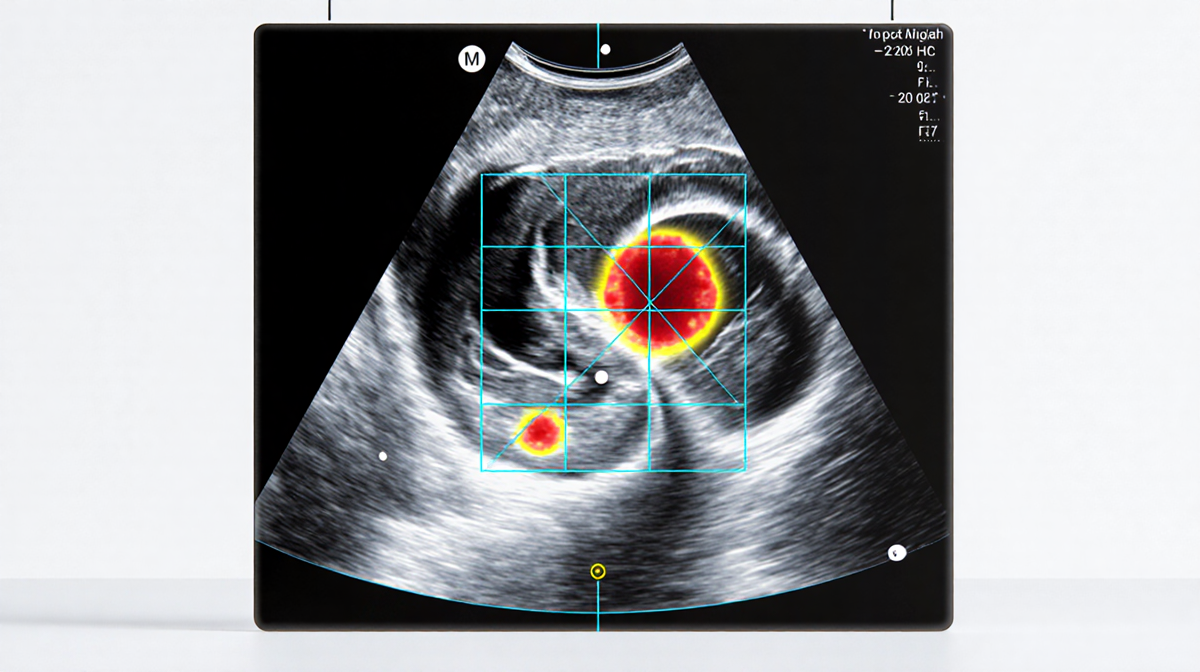
The National Cancer Institute reported roughly 44,020 new cases of thyroid cancer in 2024, marking 2.2% of all new cancer cases. These numbers highlight the importance of early detection and follow-up, especially for patients with no symptoms.
Key Takeaways
- Early detection can occur through scans even when blood work is normal.
- Surgery may remove only part of the thyroid, requiring ongoing monitoring.
- Follow-up ultrasounds are essential to catch new spots early.
- Public sharing of personal health journeys can provide support and information to others.
By continuing to share their experience, Ali and Kevin hope to raise awareness about thyroid cancer and the importance of regular monitoring.
—
Sources
The information is based on Instagram posts from Ali Fedotowsky-Manno and Kevin Manno, the National Cancer Institute, MD Anderson Cancer Center, and the American Thyroid Association. The article was originally published by News Of Los Angeles.