At a Glance
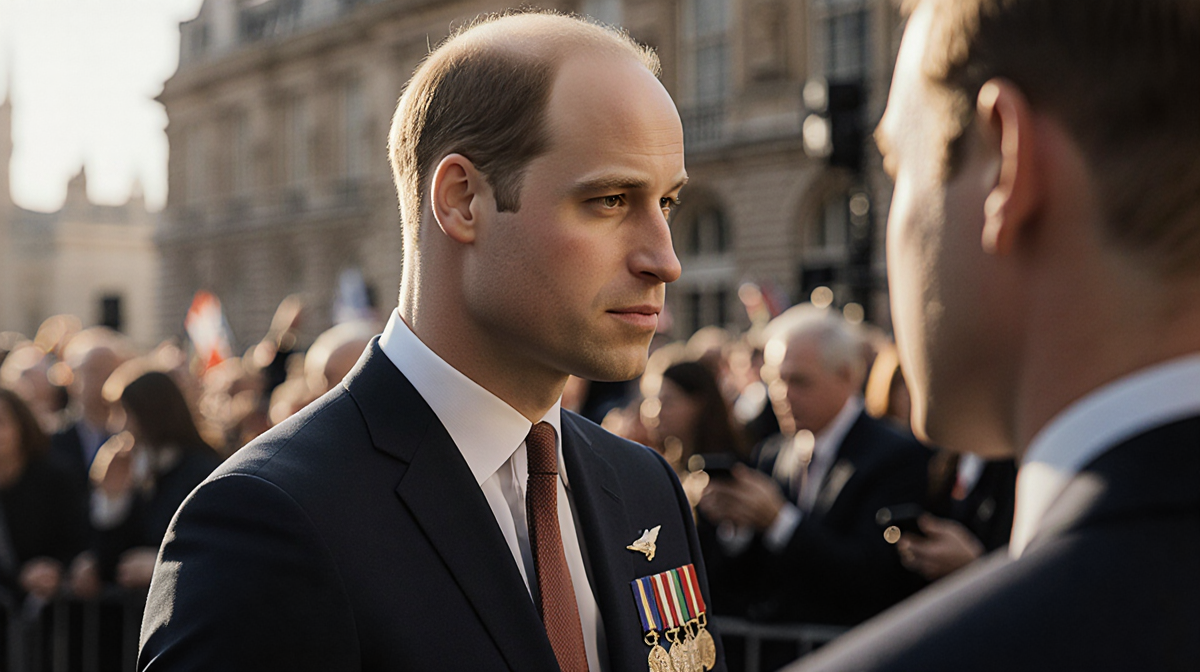
- Prince William is the only working royal among Queen Elizabeth’s eight grandchildren.
- Cousins hold private jobs but support charities.
- The future monarchy may see fewer working royals.
Why it matters: It shows a shift toward a leaner royal family and the evolving role of heirs.
Prince William has always been destined for high-profile duties as the heir to the British throne. Unlike many of his cousins, he continues to perform official engagements and represent the monarchy worldwide. The rest of the grandchildren have largely stepped away from public-facing roles.
Working Royals vs. Private Careers
All four children of Queen Elizabeth and Prince Philip-King Charles, Princess Anne, Prince Andrew, and Prince Edward-took on royal duties in adulthood. Most of Queen Elizabeth’s grandchildren, however, have kept largely private lives, focusing on personal careers and philanthropy.
The change from previous generations is notable. While Queen Elizabeth’s first cousins-such as the Duke of Gloucester, Princess Alexandra, and the Duke of Kent-still hold positions as working members, it is uncertain whether William’s cousins will follow that path. King Charles has reportedly envisioned a slimmed-down monarchy.
Princess Beatrice & Princess Eugenie
Princess Beatrice (37) and Princess Eugenie (35) once had the highest public profile among William’s cousins. Beatrice is in the 9th spot of the line of succession, followed by her two daughters, while Eugenie holds the 12th spot, followed by her two sons.
Both hold private careers-Beatrice in private equity and Eugenie as the director of an art gallery-yet they use their royal status to support charities and appear at family events. In 2022, Beatrice was appointed a Counsellor of State to King Charles, enabling her to execute constitutional duties if the King is abroad or unwell.
In October, King Charles stripped Prince Andrew of his royal titles and residence after years of scandal linked to Jeffrey Epstein. Andrew will now be known simply as Andrew Mountbatten-Windsor. The announcement clarified that Beatrice and Eugenie would retain their titles as daughters of a sovereign’s son, preserving their styling as Her Royal Highness.
Peter Phillips & Zara Tindall
Peter Phillips (48) and Zara Tindall (44) were the firstborn grandchildren of Queen Elizabeth and Prince Philip. They were not entitled to royal status by birth as children of a monarch’s daughter, but Queen Elizabeth extended courtesy titles that Princess Anne declined, hoping to give them a more normal childhood.
Princess Anne explained the decision to Vanity Fair in 2020:
“I think it was probably easier for them, and I think most people would argue that there are downsides to having titles,” she said.
Zara echoed her mother’s sentiment in a 2023 podcast interview with her husband, Mike Tindall:
“From my point of view, I was obviously very lucky that my mother didn’t give us any titles. I really commend her on that,” she said.
Zara became a professional equestrian, winning a team silver medal in eventing at the 2012 Summer Olympics in London. Peter has worked in finance and sports management.
Lady Louise & James
Lady Louise Windsor (21) and James, Earl of Wessex (17) are the children of Prince Edward and Sophie, Duchess of Edinburgh. As they reach adulthood, it is believed they will not be called upon for major royal duties, despite their parents’ visible roles.
Royal biographer Sean Smith told GB News in August 2025:
“I think Sophie – and Edward – have been careful to prepare their children for a life outside the working royal family,” he said.
He added that there will be no pressure on Louise and James to take on major royal duties. Louise is in her final year at the University of St. Andrews, studying English, and has taken part in military training as an Officer Cadet in the Army Reserve. She also competes in carriage driving, recently winning at the National Carriage Driving Championships.
James inherited his father’s former title of Earl of Wessex, having previously been styled Viscount Severn. He attends the all-boys boarding school Radley College in Oxfordshire.
Prince Harry
Prince Harry (41) and Meghan Markle (44) became working royals after their 2018 wedding. In January 2020, they announced they would “step back as senior members of the Royal Family,” intending to split time between the U.K. and North America while continuing private patronages.
Queen Elizabeth’s view was that members cannot be “half in, half out” of the monarchy. A year later, it was confirmed that Harry and Meghan would not return to their royal roles and would no longer keep patronages.
They relocated to California in 2020, raising their children, Prince Archie (6) and Princess Lilibet (4). The Duke and Duchess continue to support causes through Archewell Philanthropies, including the Invictus Games, and pursue creative projects with Netflix.
Line of Succession Snapshot
| Cousin | Position | Notes |
|---|---|---|
| Princess Beatrice | 9th | Followed by her two daughters |
| Princess Eugenie | 12th | Followed by her two sons |
| Peter Phillips | 14th | Not a working royal |
| Zara Tindall | 15th | Not a working royal |
| Lady Louise Windsor | 17th | Not a working royal |
| James, Earl of Wessex | 18th | Not a working royal |
| Prince Harry | 6th | Former working royal |
Prince William’s continued role as a working royal highlights a distinct path for the future king, contrasting with the more private lives of his cousins. The monarchy’s evolving structure reflects a balance between tradition and modern expectations.