At a Glance
- The Snow Moon peaks on February 1, 2026 at 5:09 p.m. ET, rising in the east.
- Regulus will appear just below the moon, creating a striking celestial pairing.
- On February 2, a brief occultation may let the moon pass in front of Regulus.
- Why it matters: A unique skywatching opportunity that ties ancient star lore to modern stargazing.
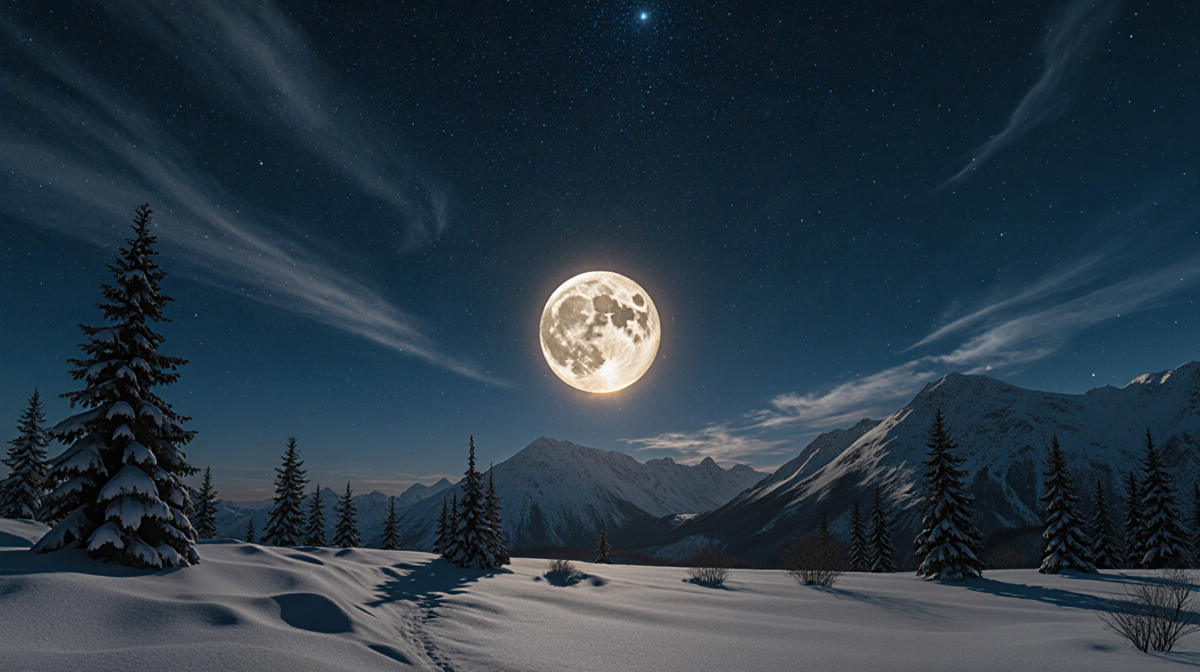
The full “Snow Moon” will make its grand entrance on the evening of February 1, rising in the eastern sky at sunset. Astronomers note that the moon will reach peak illumination at 5:09 p.m. ET, and will be accompanied by Regulus, the bright “royal star” of Leo. For many, the event is a rare celestial pairing that blends lunar light with a pinpoint star.
Snow Moon Explained
The name Snow Moon comes from the heavy snowfall that typically occurs in February, making it one of the snowiest months in the United States. It is the second full moon of the winter season, and some refer to it as the Hunger Moon because of the challenges of hunting in snowy conditions. According to the Farmer’s Almanac, the name reflects the month’s average snowfall.
The moon’s phase progresses steadily from the new moon in late January toward full on February 1. Even before the peak, the moon is visibly full to the naked eye, creating a bright backdrop for stargazers.
Regulus Revealed
Regulus is the brightest star in the constellation Leo and the symbolic “heart” of the lion. Its name translates to “Little King,” a nod to its historic association with royalty and leadership. In ancient Persian astronomy, Regulus was one of the four Royal Stars-alongside Aldebaran, Fomalhaut, and Antares-used to mark turning points of the seasons.
On the night of the Snow Moon, Regulus will be an evening star, rising in the east after sunset. It will appear just below the moon, growing easier to spot as the sky darkens and the moon climbs higher. The close proximity of the two creates a dramatic visual contrast between the glowing lunar disk and the pinpoint brilliance of the star.
How to Watch the Pairing
- When to go out: Plan to step outside 10-20 minutes before sunset on February 1.
- Where to look: Face east toward the moonrise.
- What to expect: The moon will rise, then Regulus will emerge beneath it as the sky darkens.
- Equipment: No special gear is required, but binoculars can help cut through the moon’s glare and reveal Regulus more clearly.
If you’re observing on February 2, keep an eye out for a rare bonus: in some locations, the moon will briefly pass in front of Regulus, causing the star to vanish and reappear.
Occultation Detail
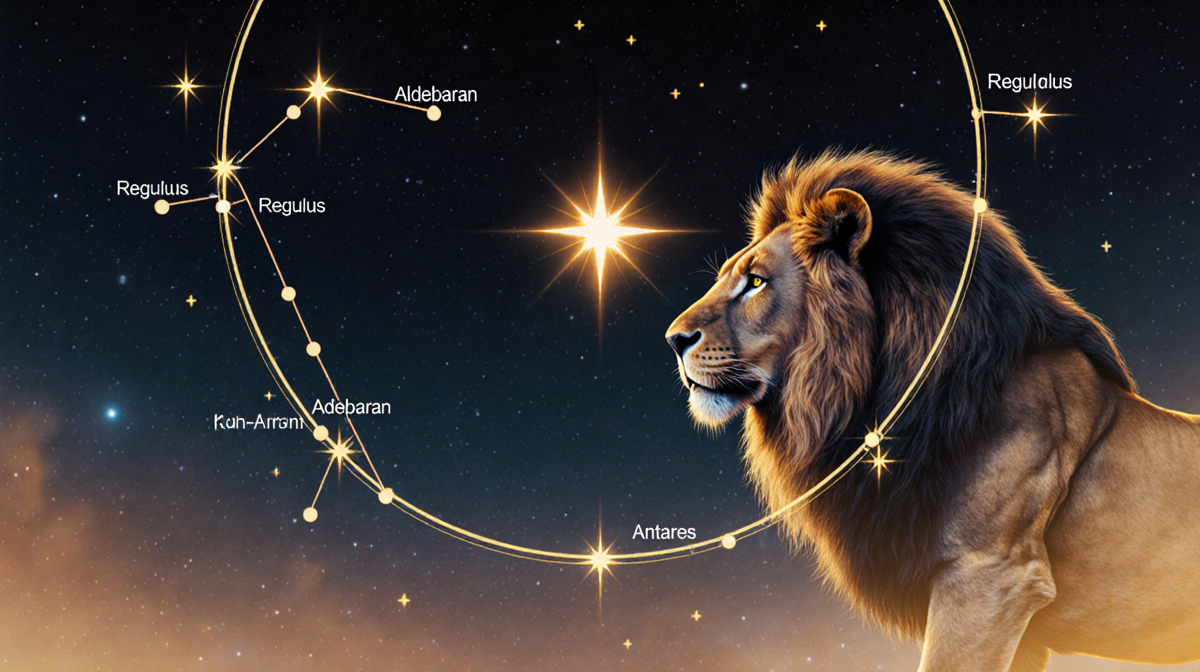
An occultation occurs when one celestial body passes directly in front of another. On February 2, a few observers may witness the moon briefly occult Regulus. The event is short-lived, so timing and location are key. Those in suitable viewing spots should monitor the sky for the moment the star disappears behind the moon’s limb.
Key Takeaways
| Date | Event | Time | Location | Notes |
|---|---|---|---|---|
| February 1, 2026 | Snow Moon peaks | 5:09 p.m. ET | East horizon | Regulus appears below moon |
| February 2, 2026 | Occultation of Regulus | Variable | Depending on observer | Brief disappearance |
The pairing of the Snow Moon and Regulus offers a striking illustration of how ancient star lore continues to resonate with modern skywatchers. Whether you’re an amateur astronomer or simply looking for a memorable night sky, the event on February 1 and the potential occultation on February 2 provide a rare visual treat.
Ethan R. Coleman reported.