At a Glance
- A 33-year-old hiker was rescued after falling into a river and suffering rapid hypothermia.
- The incident occurred while attempting to climb four peaks in New York’s Catskill Mountains.
- Rescue began with an SOS from a satellite device and ended with rangers providing heat and medical advice.
- Why it matters: The case highlights the risks of late-start hikes and the importance of preparedness and timely rescue.
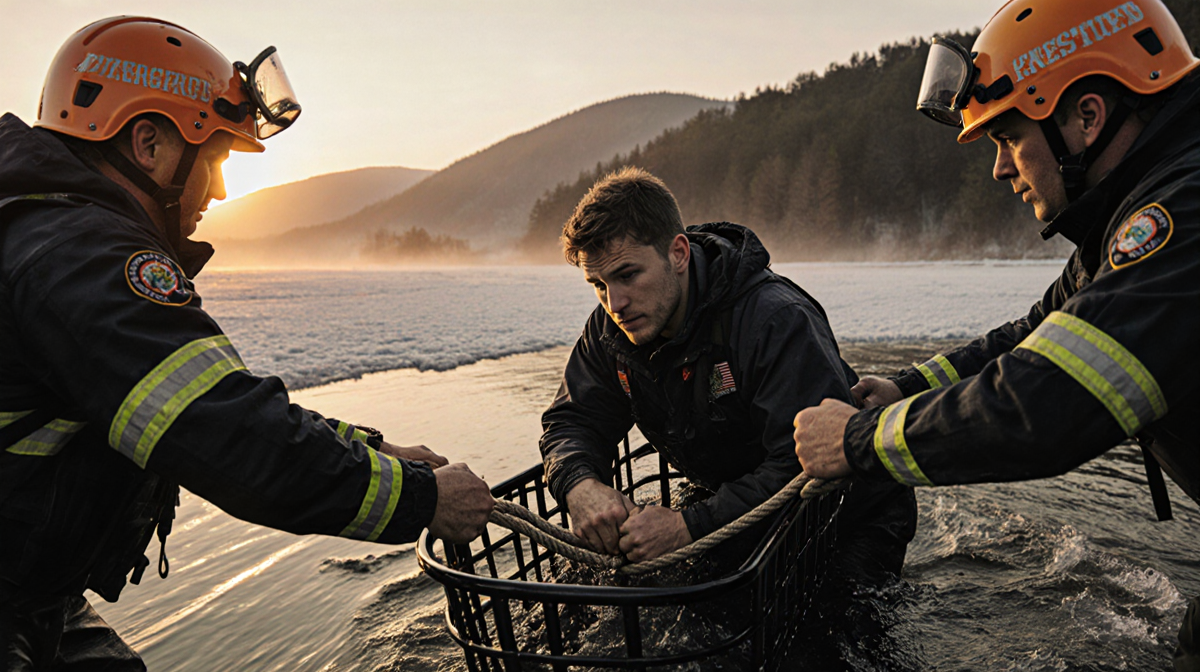
A 33-year-old hiker was rescued on January 17 after a failed attempt to climb four peaks in New York’s Catskill Mountains. The hike began the afternoon of January 16 and ended with the hiker falling into a river, suffering rapid hypothermia, and being saved by forest rangers who responded to an SOS from a satellite device.
The Expedition Begins
The ill-fated expedition started at 1:30 p.m. local time on Friday, January 16 when the unnamed citizen began a hike of Table Mountain, a 3,847-foot peak in Ulster County, according to the New York State Department of Environmental Conservation.
| Date | Time | Event |
|---|---|---|
| Jan. 16 | 1:30 p.m. | Hiker starts ascent of Table Mountain |
| Jan. 17 | 2:27 a.m. | SOS sent from satellite device |
| Jan. 17 | 6:30 a.m. | Rangers locate hiker in river |
The hiker’s plan was to summit Table Mountain, Lone, Peekamoose, and the Rocky Mountains. The route is known as a common trailless exit for many Catskill peaks.
Ranger Jeffery’s Warning
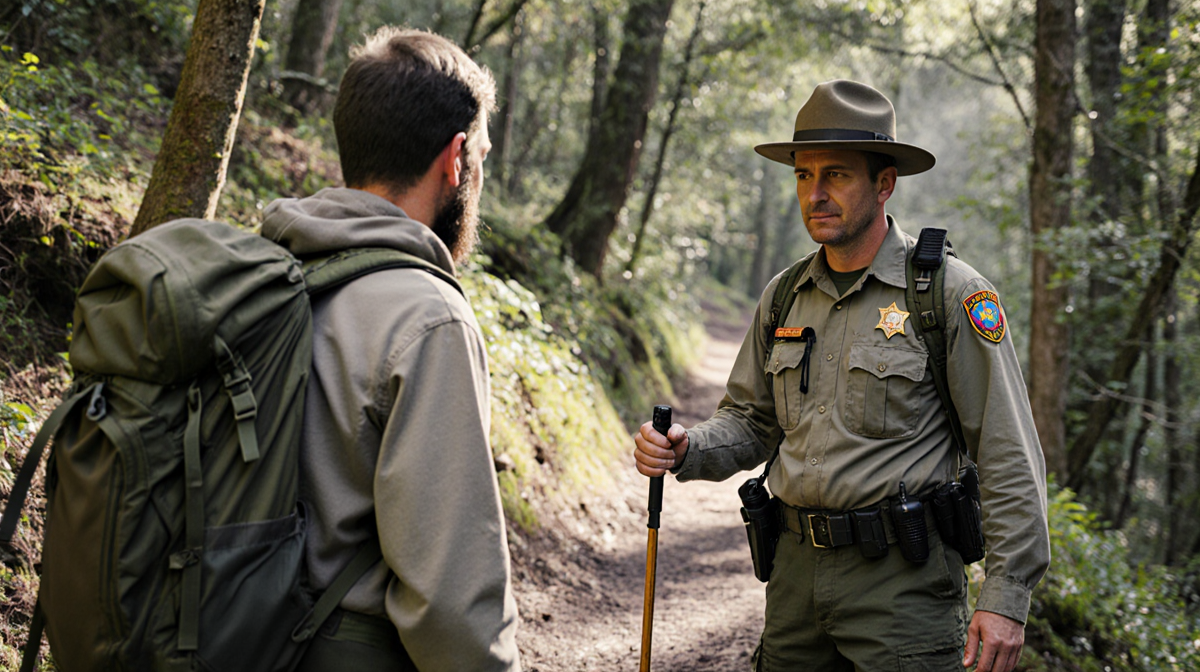
At 1:30 p.m., Forest Ranger Jeffery was on a routine patrol on the Phoenicia East Branch Trail when he encountered the hiker.
“Ranger Jeffery expressed concern over the late start,” officials said, “but the hiker was confident in their ability, had the proper gear, and proceeded.”
The ranger’s observation was an early warning that the hike would be challenging. Despite the ranger’s concerns, the hiker continued.
SOS and Rescue
More than 12 hours later, at 2:27 a.m. on Saturday, January 17, the hiker sent an SOS signal from a satellite device. The signal directed first responders to Fisherman’s Path.
The agency noted that the roads were icy, which delayed the response of the rangers. Four hours later, at 6:30 a.m., two rangers-one of them Jeffery-found the hiker, who had fallen into a river.
By that time, the hiker was visibly suffering from rapidly progressing hypothermia, according to officials.
Rangers immediately:
- Changed the victim into dry clothes
- Applied a heating blanket
- Provided hot liquids
With their help, the hiker reached the trailhead and was advised to seek further medical attention if signs of swelling, blisters, or discoloration appeared.
Aftermath and Lessons
During the rescue, rangers learned that the hiker had altered their plans to include four nearby peaks: Lone, Peekamoose, Table, and the Rocky Mountains.
The Catskill Mountains are a beloved tourism and hiking destination, part of the Appalachian Mountain system, with many peaks topping 3,000 feet. The area’s scenery is described as “heavily mantled with mixed broad-leafed and coniferous forests,” adding to the allure for hikers.
This incident underscores the importance of:
- Starting hikes earlier to avoid late-night conditions
- Monitoring weather and road conditions before and during a trip
- Using satellite devices for emergency communication
- Preparing for rapid hypothermia by carrying extra dry clothing and heat sources
The rescue demonstrated the effectiveness of coordinated ranger efforts and the critical role of satellite SOS technology in saving lives.
Key Takeaways
- Even experienced hikers can face life-threatening conditions if plans change abruptly.
- Forest rangers’ early warnings can prevent or mitigate accidents.
- Rapid response and proper medical care are essential when hypothermia sets in.
By following these lessons, hikers can better protect themselves on the challenging trails of the Catskill Mountains.