
At a Glance
- Drinking an average of 14 drinks a week (two per day) increases colon cancer risk by 95% and rectal cancer risk by 25%.
- The study used data from more than 88,000 adults in the Prostate, Lung, Colorectal, and Ovarian Cancer Screening Trial.
- Rates of colon cancer in people under 50 are rising 3% annually, while rates in those over 50 are falling due to earlier screening.
- Why it matters: Heavy drinking may double colorectal cancer risk; quitting can lower the chance of developing precancerous polyps.
A new study published in the journal Cancer on January 26, 2026 has identified a clear link between alcohol consumption and an increased risk of colorectal cancer. Researchers found that people who drank an average of 14 alcoholic drinks a week-or about two drinks per day-had a 25% higher chance of rectal cancer and a 95% higher chance of colon cancer compared to those who drank only lightly.
What the Study Found
The researchers analyzed data from more than 88,000 adults enrolled in the Prostate, Lung, Colorectal, and Ovarian Cancer Screening Trial. They compared individuals who were consistent heavy drinkers with those who engaged in light drinking. The key findings were:
- Heavy drinkers had double the risk of developing colorectal cancer.
- The risk increase was 95% for colon cancer and 25% for rectal cancer.
- The study highlighted that the longer a person drinks, the longer their colon and rectum are exposed to damage and impaired repair mechanisms.
These findings confirm that alcohol is a significant modifiable risk factor for colorectal cancer, especially in younger adults.
Why It Matters
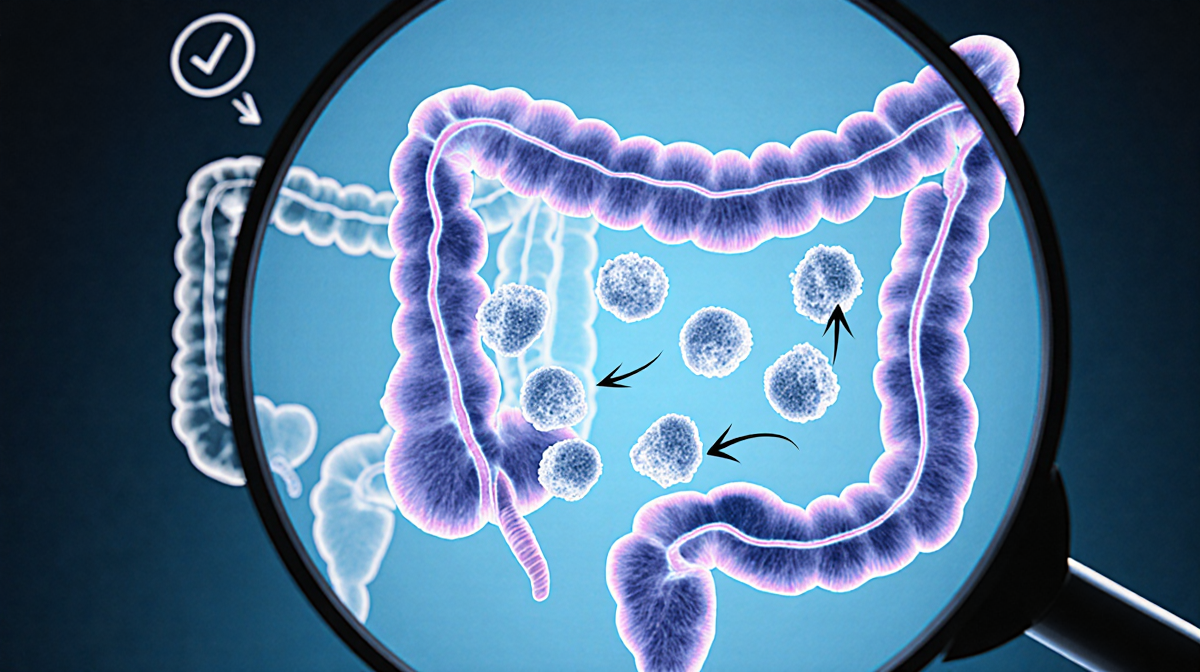
Colorectal cancer typically begins as small clumps of cells called polyps that form inside the colon. Polyps usually do not cause symptoms, making regular screening essential. The American Cancer Society notes that:
- A polyp can take up to 15 years to turn into cancer.
- Colonoscopies can detect and remove polyps before they become malignant.
The study’s results are particularly concerning because:
- Colon cancer rates in people younger than 50 are increasing 3% year over year.
- Rates in those over 50 are decreasing, largely due to early screening.
Heavy drinking may therefore be a growing contributor to the rising incidence of colon cancer in younger populations.
Expert Perspectives
Dr. Lynn O’Connor, Mercy Medical Center and St. Joseph Hospital’s section chief of colon and rectal surgery, told ABC News:
> “The longer someone drinks, the longer their colon and rectum are exposed [to] damage and impaired repair, both major mechanisms of cancer.”
Former Surgeon General Dr. Vivek Murthy added that alcohol should carry cancer warnings, noting that it causes nearly 100,000 cancer cases and approximately 20,000 cancer deaths every year.
These expert comments underscore the biological plausibility of the study’s findings and the public health importance of alcohol regulation.
What This Means for You
If you are a heavy drinker, the study offers a silver lining: quitting alcohol may lower the risk of developing non-advanced adenomas-precancerous polyps in the colon. Researchers suggest:
- Drinking cessation may reduce adenoma risk.
- Heavy drinking increases adenoma risk.
For anyone who drinks regularly, consider the following steps:
- Track your intake to stay below the two-drinks-per-day threshold.
- Schedule a colonoscopy if you are under 50, especially if you have a family history of colorectal cancer.
- Discuss alcohol consumption with your primary care provider to assess your individual risk.
Key Takeaways
- 14 drinks a week significantly raises colon cancer risk by 95%.
- Heavy drinkers face a double risk of colorectal cancer.
- Quitting alcohol can lower the risk of precancerous polyps.
- Regular colonoscopies remain the best preventive strategy.
By understanding the link between alcohol and colorectal cancer, individuals can make informed choices about drinking habits and screening practices.
Bottom Line
The new research from the Cancer journal provides clear evidence that moderate to heavy alcohol consumption is a major risk factor for colorectal cancer. With rising incidence rates among younger adults, the findings highlight the urgency of public health initiatives that promote responsible drinking and early screening.
—
Categories: Health News, Breaking News