At a Glance
- northern lights expected to brighten skies as far south as the U.S. Midwest.
- NOAA forecasts a Kp index of 5 on Jan. 23 and Jan. 24, a level that can push auroras well below the usual limits.
- The best viewing window is between 10 p.m. and 2 a.m. local time, with the brightest displays possible from up to 620 miles away.
- Why it matters: A record-setting geomagnetic storm gives people across North America a rare chance to witness a spectacular celestial show.
Introduction
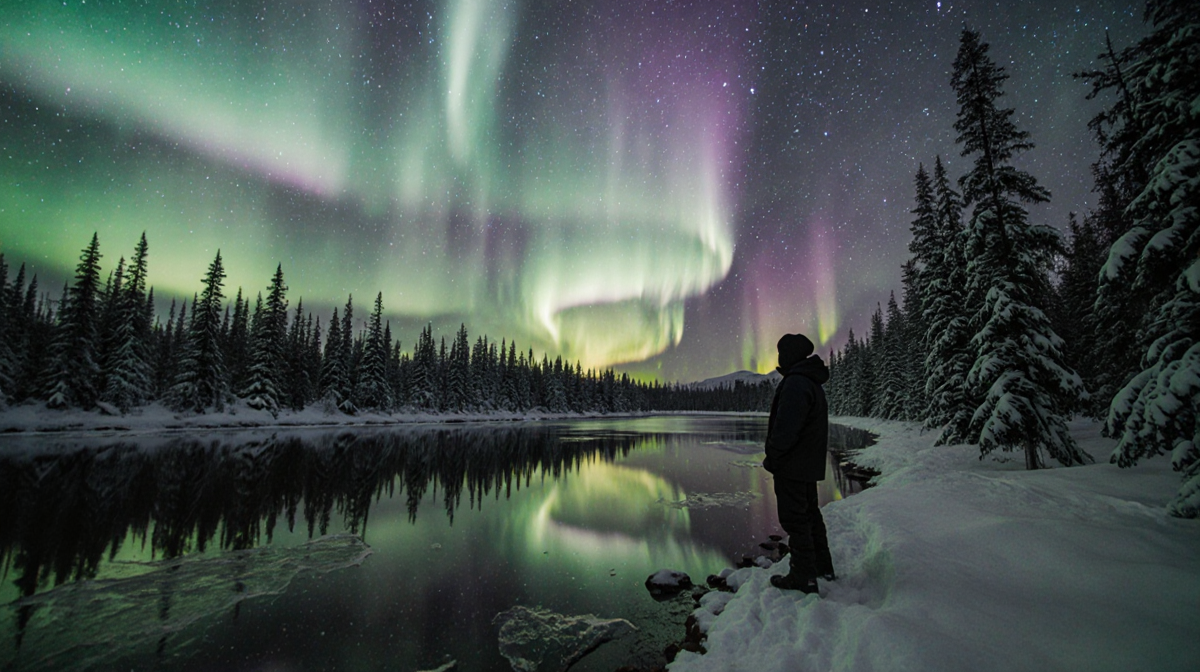
The sky is about to get a little brighter. NOAA forecasters have announced that a powerful geomagnetic storm-rated as the largest solar radiation event in over two decades-will keep the northern lights dancing across North America for the next couple of nights. This rare alignment of solar activity and clear skies could let anyone from Alaska to the Upper Midwest catch a glimpse of the aurora.
Why the Auroras Are So Big Right Now
The Sun is in a phase of heightened activity known as a solar maximum, which peaks around 2026. When the Sun erupts, charged particles stream toward Earth, interacting with our planet’s magnetic field and producing the aurora borealis. NOAA’s Space Weather Prediction Center labeled this event “the largest solar radiation storm in over 20 years,” ranking it a level four out of five on its severity scale. A Kp index of 5-the forecast for Jan. 23 and Jan. 24-is high enough to push auroral visibility far south and make the lights brighter and more widespread.
When Will You Be Able to See the Lights?
The optimal time is a narrow window that opens Friday night, Jan. 23, and continues into early Saturday, Jan. 24. NOAA’s forecast predicts:
- Jan. 23: Kp = 5
- Jan. 24: Kp ≈ 5
- Jan. 25: Kp expected to drop to about 3, reducing the likelihood of a vivid display.
The lights are most likely to appear between 10 p.m. and 2 a.m. local time, when the sky is darkest and the aurora is highest in the sky.
Where Are the Best Places to Watch?
The strongest chances are in northern Canada and most of Alaska, where the geomagnetic field is strongest. However, parts of the northern United States can also enjoy the spectacle, especially areas close to the Canadian border:
- Northeastern Washington
- Northern Idaho
- Montana
- North Dakota
- Northern Minnesota
- Wisconsin
- Upper Michigan
Regions a bit further south-such as Wyoming, South Dakota, northern Iowa, upstate New York, Vermont, New Hampshire, and Maine-could still see activity, though cloud cover and storm intensity will play a larger role.
How to Get the Best View and Photos
NOAA recommends heading to a dark, elevated location, far from city lights, between 10 p.m. and 2 a.m. local time. Under ideal conditions, auroras can be visible from as far as 620 miles away. For the best photos:
- Use a tripod and keep the camera steady.
- Set a long exposure-10 to 30 seconds works well.
- If you only have a smartphone, enable “Night Mode” or “Pro Mode” and increase the exposure time.
- Aim the camera toward the horizon where the lights often appear as faint, colorful curtains.
What You Need to Know About the Storm
| Date | Forecasted Kp | Expected Visibility | Notes |
|---|---|---|---|
| Jan. 23 | 5 | High | Main auroral display expected. |
| Jan. 24 | 5 | High | Continued activity, similar to Friday. |
| Jan. 25 | ~3 | Moderate | Storm intensity drops; fewer bright lights. |
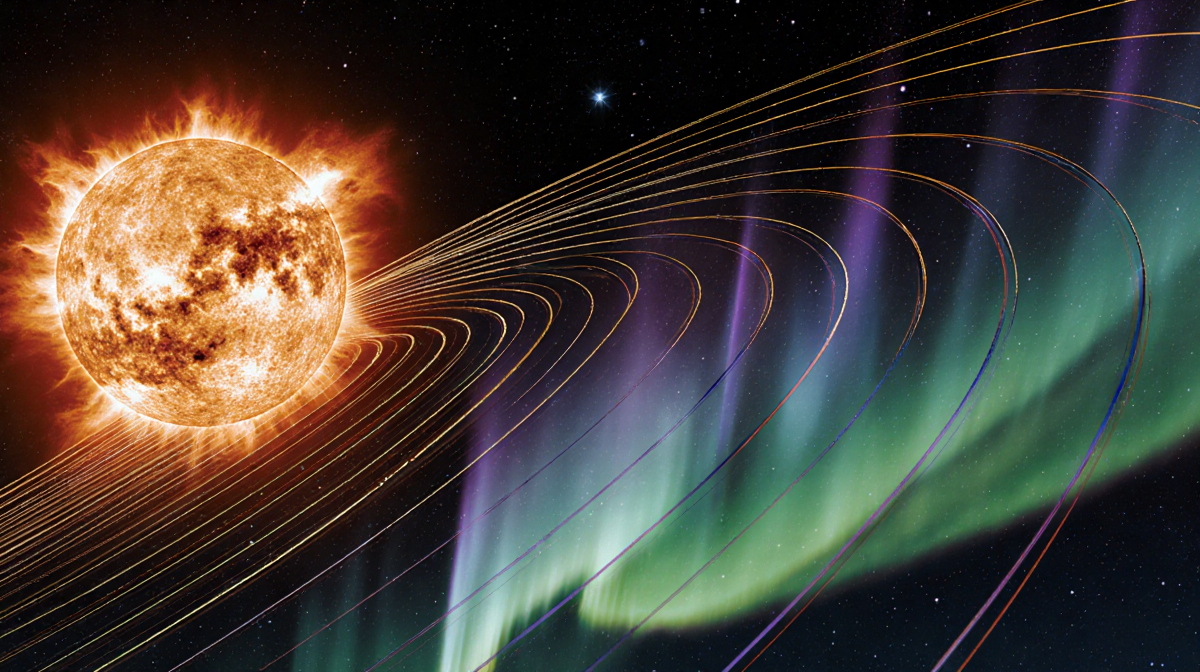
The geomagnetic storm is driven by a recent coronal mass ejection that is still affecting Earth’s magnetic field. Even modest storms can produce surprisingly beautiful displays during a solar maximum, so the forecasted activity is especially significant.
Key Takeaways
- A record-setting geomagnetic storm is keeping the northern lights bright across North America for the next two nights.
- The best viewing window is Jan. 23-24 between 10 p.m. and 2 a.m., with a Kp index of 5.
- Northern Canada, Alaska, and the U.S. northern border states have the highest chances; southern regions may still see faint glows.
- For photography, use a tripod, long exposure, and a dark location.
- By Jan. 25, the storm will subside, reducing auroral visibility.
Whether you’re a seasoned stargazer or a curious passerby, this geomagnetic event offers a rare chance to witness one of nature’s most stunning displays. Grab a blanket, find a dark spot, and watch the sky light up in colors you’ve never seen before.