At a Glance
- Elizabeth Schreiber became a surrogate after her own child, feeling a deep desire to share motherhood.
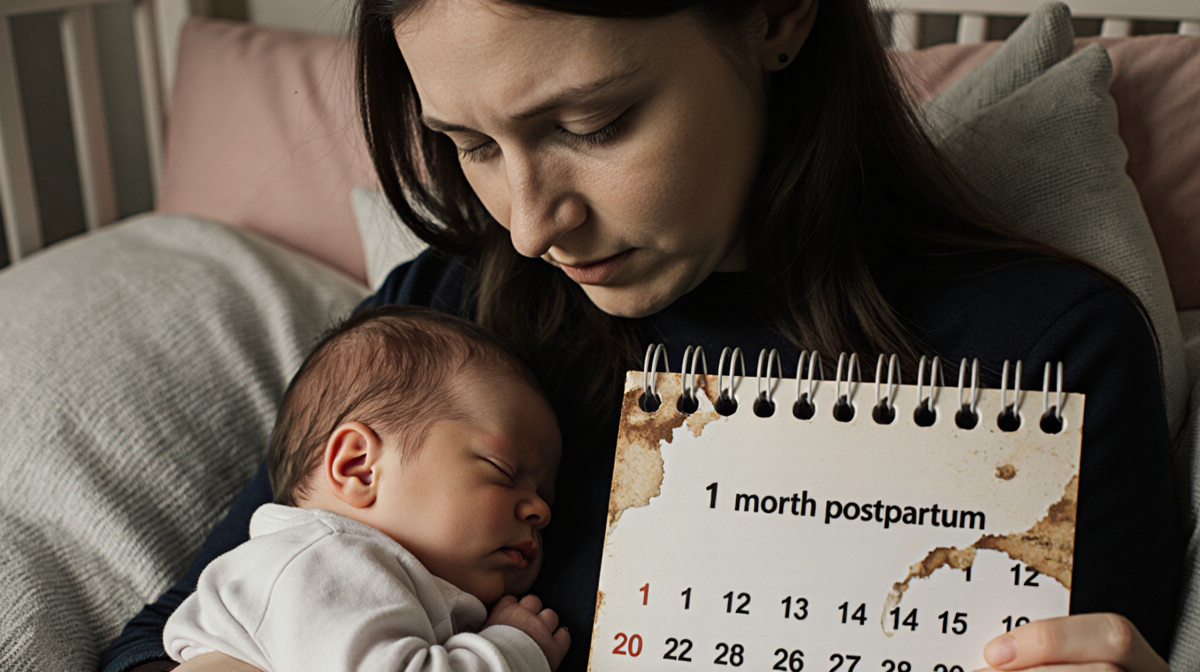
- She faced severe postpartum depression a month after giving birth, leading to professional help.
- With medication and support, she recovered and now advises new mothers to seek help.
Why it matters: Her journey highlights the hidden challenges of postpartum depression and the importance of support for surrogates.
Elizabeth Schreiber’s story began with a single, joyous birth in November 2018 that changed her life forever. The 35-year-old family nurse practitioner from Wheeling, West Virginia, welcomed her son with husband Jeremy, who was 49. They had agreed to have only one child, but the love she felt for her newborn pushed her to help another family.
The Birth That Sparked a New Purpose
After the birth, Schreiber described the moment as “real love.” She said, “After I held my son for the first time, I was like, ‘Oh, this is what real love is.’ I thought, ‘I want to help somebody else have that.'” The experience motivated her to explore surrogacy.
Choosing Surrogacy
In July 2023, Schreiber connected with a surrogacy agency and completed the paperwork. Two weeks later, the agency matched her with intended parents. She recalled, “It was so fast. I read through the couple’s profile and thought instantly, ‘Oh my gosh, this is perfect.'”
She and Jeremy met the parents, and they all felt a strong connection. Schreiber joked to her son, “Mommy’s just renting out her uterus.”
The Joy of Giving Birth
The pregnancy was described as “super easy.” She delivered in spring 2025, and the baby was born 90 minutes after she arrived at the hospital. Schreiber said, “I loved seeing the parents hold their baby for the first time. That was the best feeling ever.” She noted the joy of watching them experience the love she cherished.
The first few weeks were positive. She pumped milk for her newborn and enjoyed the high of helping the couple start a family.
The Dark Turn: Postpartum Depression
A month after the birth, Schreiber began feeling an intense sadness. She explained, “People were confused. They kept thinking, ‘Well, she’s sad because she doesn’t have a baby.’ That’s not it. I was sad for no reason, which was really weird to me.”
She described the depression as a heavy, weighted blanket that grew heavier each day. She had never experienced depression before, only anxiety. She said, “I’ve never known what depression felt like.”
Schreiber’s symptoms escalated: she sobbed uncontrollably while pumping milk, felt “like burnt wood crumbling.” She noted that even when her son was around, she still felt defeated. She said, “I didn’t care whether I existed, which scared me more than anything.”
Seeking Help and Treatment
At her six-week post-delivery obstetrician appointment, Schreiber began crying while filling out the postpartum depression scale. Her doctor asked if she wanted to talk about medication. She replied, “Yes please. Anything. Just make it go away.”
The doctor prescribed Zurzuvae, a fact-acting medication. Schreiber noted that it is taken once a day in the evening for two weeks, after which it is no longer needed. She said, “It starts working immediately, and the effects can last up to 45 days.”
After starting the medication, Schreiber felt less “garbage.” However, she still felt “a little funky,” so her provider added an SSRI. Over several months, she began to feel like herself again. She described a shift in how she interacted with others: smiles came naturally, hugs were genuine.
Recovery and Advocacy
Now that Schreiber’s mental health improved, she encourages patients dealing with postpartum depression to seek help. She says, “Listen, this has nothing to do with you as a person. This is chemicals in your brain and your hormones are hijacking your system.” She stresses that it’s okay to not feel okay.
She advises mothers to speak up about dark thoughts and ask for help. She adds, “I want to let moms know it’s okay not to be happy all the time. You can allow yourself to sit and cry, and it just means that maybe you do need some temporary help with medication and counseling.”
Key Takeaways
- Elizabeth Schreiber found a new purpose through surrogacy after her own birth.
- Postpartum depression can emerge abruptly and be intense, even in first-time mothers.
- Early recognition, medication, and support can lead to recovery.
- Schreiber now uses her experience to educate and empower other mothers.
The story underscores that the joy of motherhood can coexist with hidden struggles and that help is available for those who need it.