
At a Glance
- Everyday foods can offer more nutrition than many realize.
- Whole grains, root vegetables, and dairy alternatives are key.
- Even common staples like bread and eggs have hidden health perks.
- Why it matters: Knowing which foods boost health helps you shop smarter.
Eating healthier is a common goal for the new year, but finding the right foods to incorporate into your diet can feel onerous. Many people believe that being healthy means buying superfoods, all organic produce, expensive supplements and pricey powders. After all, this is what most of social media conveys. But it really doesn’t have to be that complicated or expensive. In fact, you probably have a lot of healthy foods sitting in your refrigerator and pantry right now. As long as you eat a balanced diet filled with a variety of foods like fruits, veggies, grains and proteins, you’re probably getting all the vitamins and minerals your body needs. That’s why I want to get rid of the idea that being healthy means you have to buy expensive food items. Instead, here are some everyday foods that are healthier than you might think.
Bread
Bread is a staple in most households and can be packed with essential nutrients like folate, iron and fiber. While white bread can spike your blood sugar levels and doesn’t offer much nutritional value aside from carbohydrates-unless it’s enriched white bread, which is fortified with vitamins and minerals like thiamine (B1), riboflavin (B2) and niacin (B3) to replace the nutrients lost during its processing-its whole grain counterpart has additional fiber and nutrients and can help manage blood pressure while lowering your risk of diabetes and heart disease, according to the Mayo Clinic. Consuming whole grains instead of refined grains is also linked to lower cholesterol and insulin levels.
- Benefits
- Folate and iron support blood health.
- Whole-grain fiber promotes satiety and digestive health.
- Reduced risk of chronic disease.
Oats
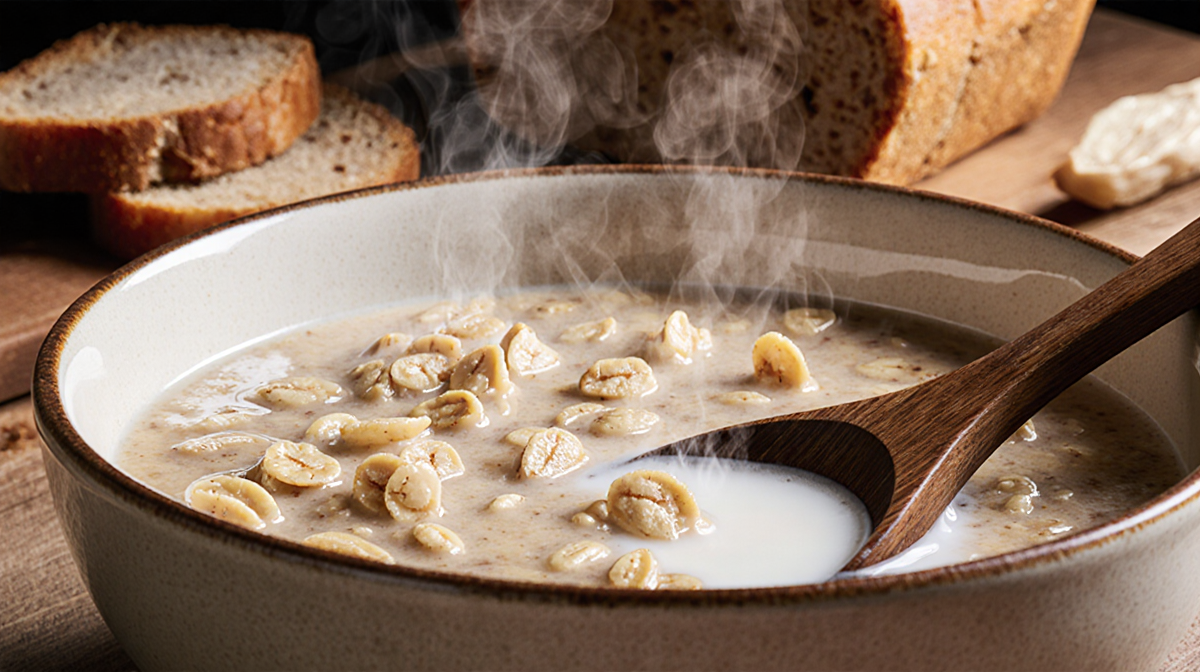
Oats are a versatile, inexpensive option that packs a nutritional punch. According to the U.S. Department of Agriculture, oats are loaded with complex carbohydrates, fiber and essential vitamins and minerals like B1, B3, B5, B6, folate and iron. A meta-analysis found that the highest whole-grain intakes were significantly associated with a 21% reduced risk of heart disease compared to those with the lowest intake. Another meta-analysis, including studies that followed people with type 2 diabetes, found that oat intake significantly reduced blood sugar spikes after a meal. Choose steel-cut or rolled oats to reap the most benefits, as instant oatmeal is more processed and has a slightly higher glycemic index.
- Key nutrients
- Fiber: 4-5 g per cup.
- B-vitamins: supports energy metabolism.
- Iron: aids oxygen transport.
Sweet Potatoes
Sweet potatoes are a vibrant orange root vegetable that can be fried, roasted, boiled, sautéed, mashed, baked or air-fried. They contain tons of fiber, vitamin C, potassium and beta-carotene-a natural orange pigment that the body converts into vitamin A. One large sweet potato contains 400% of the daily recommended intake for vitamin A. According to the Mayo Clinic, vitamin A helps you maintain optimal vision and supports a healthy immune system.
- Health perks
- High antioxidant content.
- Supports eye health.
- Regulates blood sugar when paired with protein.
Pasta
Pasta is another fan favorite that can be part of a balanced diet. Most varieties are fortified with folate, iron and vitamin B. If you’re looking for a refined-free option, try whole-grain pasta-which has been proven to satiate you for longer-or pasta made of vegetables. Chickpea pasta, for example, is rich in fiber and protein, making it an excellent choice for those following a vegan or vegetarian diet. Adding vegetables or protein to pasta dishes can further enhance its nutritional profile.
- Nutrition highlights
- Whole-grain pasta: 5 g fiber per cup.
- Chickpea pasta: 8 g protein per cup.
- Fortification adds micronutrients.
Eggs
Eggs are a great source of protein, iron, selenium, phosphorus and vitamins B2, B5 and B12. They also keep you full longer, which can help maintain a balanced eating schedule. Eggs have gained a bad reputation because of their high cholesterol content. A large egg contains about 186 mg of cholesterol, which is a little more than half of the recommended daily intake (300 mg) if you’re not at risk for heart disease. If you’re at risk for heart disease, one large egg almost hits the limit for recommended daily consumption (200 mg). Despite the amount of cholesterol found in eggs, some studies have found that it doesn’t seem to raise your body’s cholesterol levels like trans fats and saturated fats do.
- Balanced nutrition
- Complete protein with all nine essential amino acids.
- Vitamin D and choline for brain health.
- Satiety factor reduces snacking.
Yogurt
Yogurt is another accessible, affordable and convenient food. It’s a great source of calcium, protein and probiotics. Yogurt often starts as milk, which is then pasteurized and fermented with live bacteria. Yogurt can promote various health benefits like aiding digestion, managing irritable bowel disease and preventing osteoporosis. When shopping for yogurt, it’s best to choose plain or Greek yogurt with simple ingredients and no added sugars to get the most benefits, according to Harvard Medical School.
- Why choose plain
- Avoids hidden sugars.
- Retains natural probiotics.
- Versatile for sweet or savory dishes.
Garlic
Garlic is a kitchen staple that offers many health benefits. It has been linked to reduced inflammation and cholesterol levels. Providence Health and Services reports that garlic has also been associated with improved heart health by protecting against cell damage and lowering blood pressure. If you have digestive issues, garlic may also help you aid digestion. However, it’s important to listen to your body because eating too much garlic can also cause bloating. Consuming garlic may also help lower blood sugar levels and reduce the risk of catching a cold or the flu.
- Health advantages
- Anti-inflammatory compounds.
- Supports cardiovascular function.
- Antimicrobial properties.
Green Tea
Green tea is a nutrient-rich beverage low in calories and a rich source of polyphenols, which protect against oxidative damage and reduce inflammation. It has been linked to many health benefits, like reducing cholesterol levels and supporting heart health. Warm up this winter with an antioxidant-rich cup of tasty green tea.
- Key compounds
- Catechins: potent antioxidants.
- L-theanine: promotes relaxation.
- Caffeine: mild stimulant.
Berries
Berries are one of the most nutrient-dense foods to have in your home. They are rich in vitamins C and K, prebiotics, potassium, fiber and antioxidants. Berries also contain disease-fighting nutrients that may help reduce the risk of age-related conditions like type 2 diabetes and heart disease. Consuming berries is also linked to improved heart health, reduced inflammation and can boost your immunity.
- Nutrient snapshot
- Vitamin C: 20-30 mg per 100 g.
- Fiber: 2-3 g per 100 g.
- Anthocyanins: powerful antioxidants.
Bananas
Bananas should be on your radar if you’re looking for a highly nutritious fruit with many health benefits. They are a great source of fiber, vitamins B6 and C, and minerals such as magnesium and potassium. Healthline reports that bananas also make a great pre-workout snack because they fill you with energy and keep you feeling fuller longer.
- Energy boost
- Carbohydrates: 27 g per medium fruit.
- Potassium: 422 mg.
- Quick digestion.
Nuts
Nuts boast plentiful nutritional benefits. They have tons of healthy fats, which can help regulate cholesterol levels and reduce inflammation related to heart disease. Nuts also contain essential minerals like magnesium, copper, iron, selenium and zinc, all of which play crucial roles in proper cell growth and development. Eating a handful of nuts daily can help boost energy and improve digestion. Because nuts are so calorie-dense, a serving size is quite small-only an ounce, or about a handful. Nuts are your best friends if you’re looking for a nutritious snack.
- Snack facts
- Calories: 160-200 per ounce.
- Protein: 5-7 g per ounce.
- Healthy monounsaturated fats.
Onions
Onions are not only versatile and delicious, they also offer many health benefits. They’re packed with vitamins, minerals and antioxidants that help boost your overall health, like improving heart health, boosting immune function, regulating blood sugar levels, reducing inflammation and preventing certain cancers. Onions also have prebiotic fiber, which promotes healthy digestion and can even help you sleep better.
- Health contributions
- Flavonoids: anti-cancer.
- Sulfur compounds: cardiovascular support.
- Prebiotic fiber: gut health.
Key Takeaways
- Many common foods contain more nutrients than you expect.
- Whole grains, root vegetables, dairy alternatives, and legumes are powerful allies.
- Simple swaps-like choosing whole-grain bread or adding berries to yogurt-can elevate your diet.
- Portion control matters, especially with calorie-dense foods like nuts.
- Incorporating a variety of these foods supports long-term health and reduces disease risk.
By focusing on everyday foods and making informed choices, you can build a balanced diet that fits your budget and lifestyle.