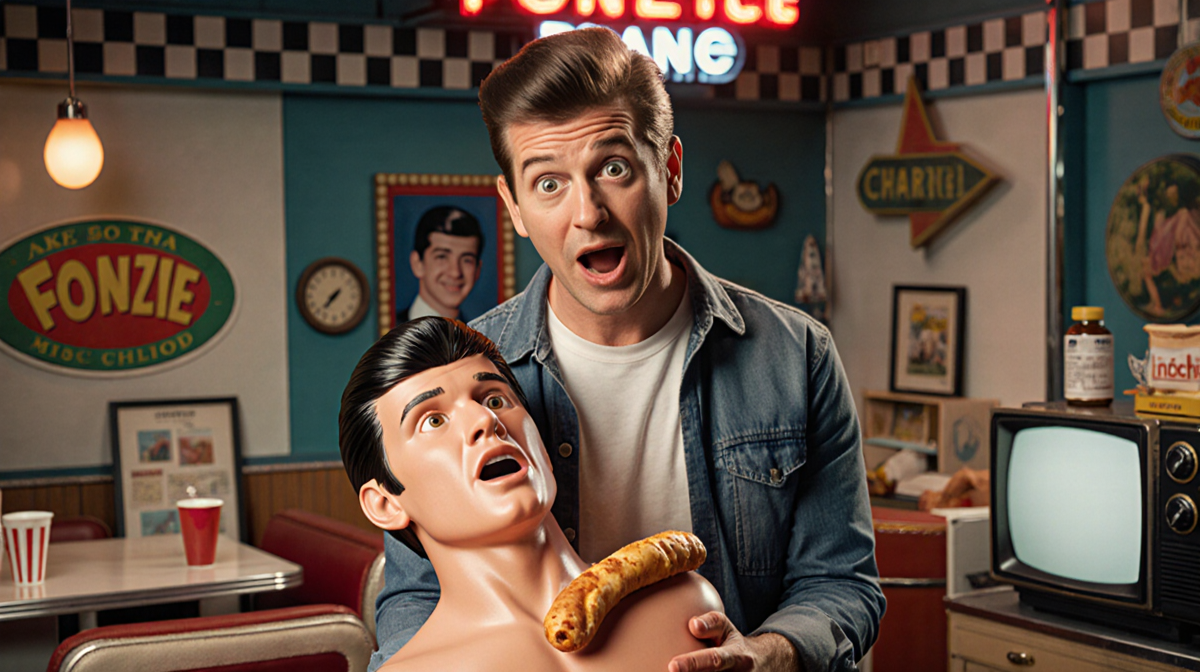
Anson Williams recently shared on Facebook how the classic sitcom helped bring the lifesaving Heimlich maneuver to the public eye.
Anson Williams, who played Potsie Weber on Happy Days, posted a link to a story about a teacher whose life was saved when someone performed the Heimlich maneuver. He credited the show for boosting the technique’s popularity and thanked his second cousin, Dr. Henry J. Heimlich, who invented it.
At a Glance
- Anson Williams credits Happy Days for spreading awareness of the Heimlich maneuver.
- Dr. Heimlich, a thoracic surgeon and Williams’ second cousin, created the technique in 1974.
- The maneuver uses abdominal thrusts to clear choking airways and has saved countless lives worldwide.
- Why it matters: The post highlights how entertainment can influence public health practices.
Heimlich Maneuver Origins
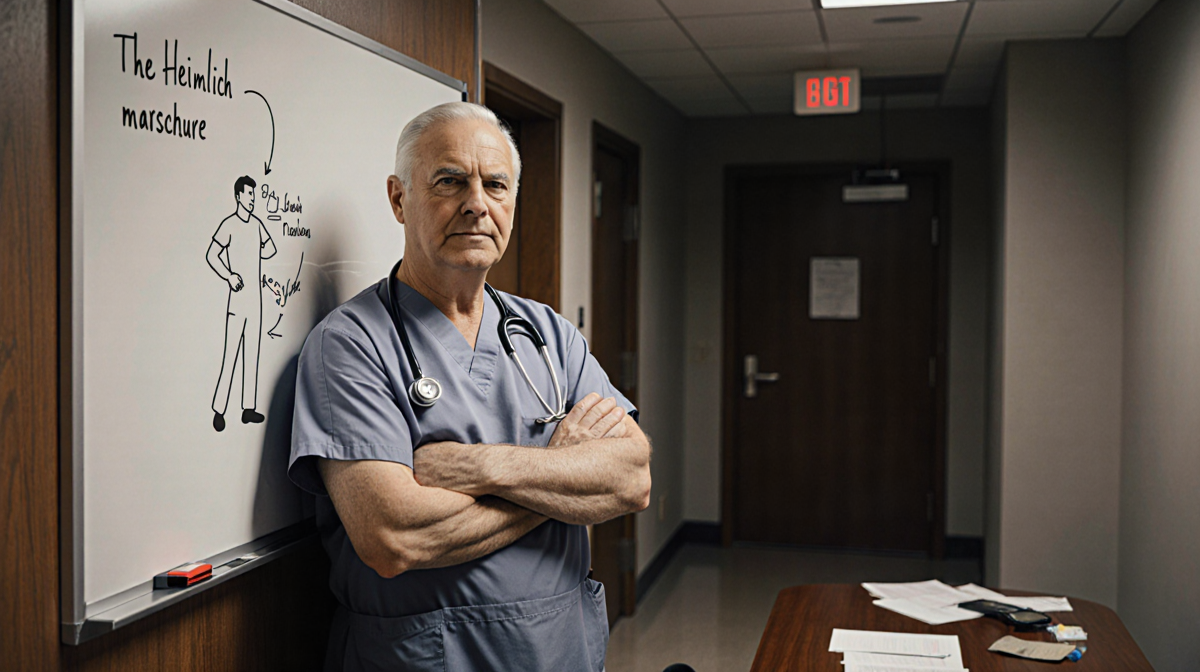
The Heimlich maneuver was devised by Dr. Henry J. Heimlich in 1974 while he was the director of surgery at Jewish Hospital in Cincinnati. The technique was designed to quickly dislodge an object blocking a choking victim’s airway.
In the same year, Dr. Heimlich appeared on The Merv Griffin Show, a platform that Happy Days cast members helped promote. Anson Williams leveraged his entertainment connections to secure this appearance, giving the maneuver a national audience.
Timeline of Key Events
| Year | Event |
|---|---|
| 1974 | Dr. Heimlich invents the maneuver and appears on The Merv Griffin Show |
| 1974-1983 | Happy Days airs for 11 seasons, featuring Anson Williams as Potsie Weber |
| January 2025 | Williams discusses his friendship with fellow cast members on the 9021OMG podcast |
| January 27, 2026 | Williams posts on Facebook about the lifesaving story and his uncle’s invention |
| 2016 | Dr. Heimlich passes away at 96 years old |
Anson Williams’ Connection
Williams, now 76, refers to Dr. Heimlich as his “uncle” in his Facebook post. He explained that the show’s popularity helped the maneuver reach millions of viewers.
> “My Uncle, Dr. Heimlich, created the Heimlich Maneuver,” Anson Williams wrote. “Happy Days is a major reason for its success. It’s a long story, but the creators and cast of Happy Days have helped save more lives than any other program in history!”
He also highlighted how the show’s creator, Garry Marshall, treated the cast like family, fostering strong bonds that lasted decades.
Personal Reflections
In a 2025 episode of the 9021OMG podcast, Williams spoke about his relationships with Henry Winkler, Ron Howard, and Don Most. He described their friendship as “literally a text away” and praised the unique support they received from their mentor.
> “We have been close friends for decades,” he said. “It’s just been a wonderful friendship. And just to have that kind of friendship that many years? It’s pretty unique.”
Williams emphasized that the camaraderie extended beyond the set, contributing to the show’s enduring legacy.
Legacy and Impact
The Heimlich maneuver has become a staple first-aid technique taught in schools and workplaces worldwide. While the exact number of lives saved is not cited here, the public’s awareness of the method has undoubtedly increased since its promotion through Happy Days and television appearances.
Williams’ post serves as a reminder that popular culture can play a significant role in public health education. By sharing personal anecdotes and family history, he highlights the interconnectedness of entertainment, medical innovation, and community impact.
Key Takeaways
- Anson Williams credits Happy Days for amplifying the reach of the Heimlich maneuver.
- Dr. Heimlich’s invention in 1974 and subsequent media exposure saved countless lives.
- The show’s supportive environment fostered lasting friendships among its cast.
- Public health practices can benefit from mainstream media exposure.
These reflections underscore how a beloved television program can influence real-world outcomes beyond entertainment.