At a Glance
- Power outages stem from storms, heat waves, wildfires, or even a delivery driver.
- Preparedness is the key to staying safe during a blackout.
- Experts advise an emergency kit, backup power, and clear evacuation plans.
- Why it matters: Knowing how to protect yourself and loved ones can prevent injuries and fatalities during outages.
Stay prepared before a blackout hits, and you’ll be ready to handle the unexpected.
Before the Blackout
Power outages can last hours or days, and the weather can make them more dangerous. Michael Coe, vice president for physical and cybersecurity programs with the American Public Power Association, says:
Michael Coe said:
> “When thinking about preparedness, I always think about the old proverb of, ‘An ounce of prevention is worth a pound of cure,'”
Experts recommend tailoring your plan to your family’s needs. Denise Everhart, disaster executive with the American Red Cross, notes that the approach changes if you have children, pets, or medical devices that rely on electricity.
- Inform your utility if you have critical medical devices.
- Use backup batteries or other energy sources to keep devices running.
- Consider evacuating if an outage would make your home unsafe.
If you decide to stay, assemble an emergency kit. Your kit should include:
- Two weeks of food, water, pet supplies and medicine
- Cash for a week in case ATMs and credit card machines go down
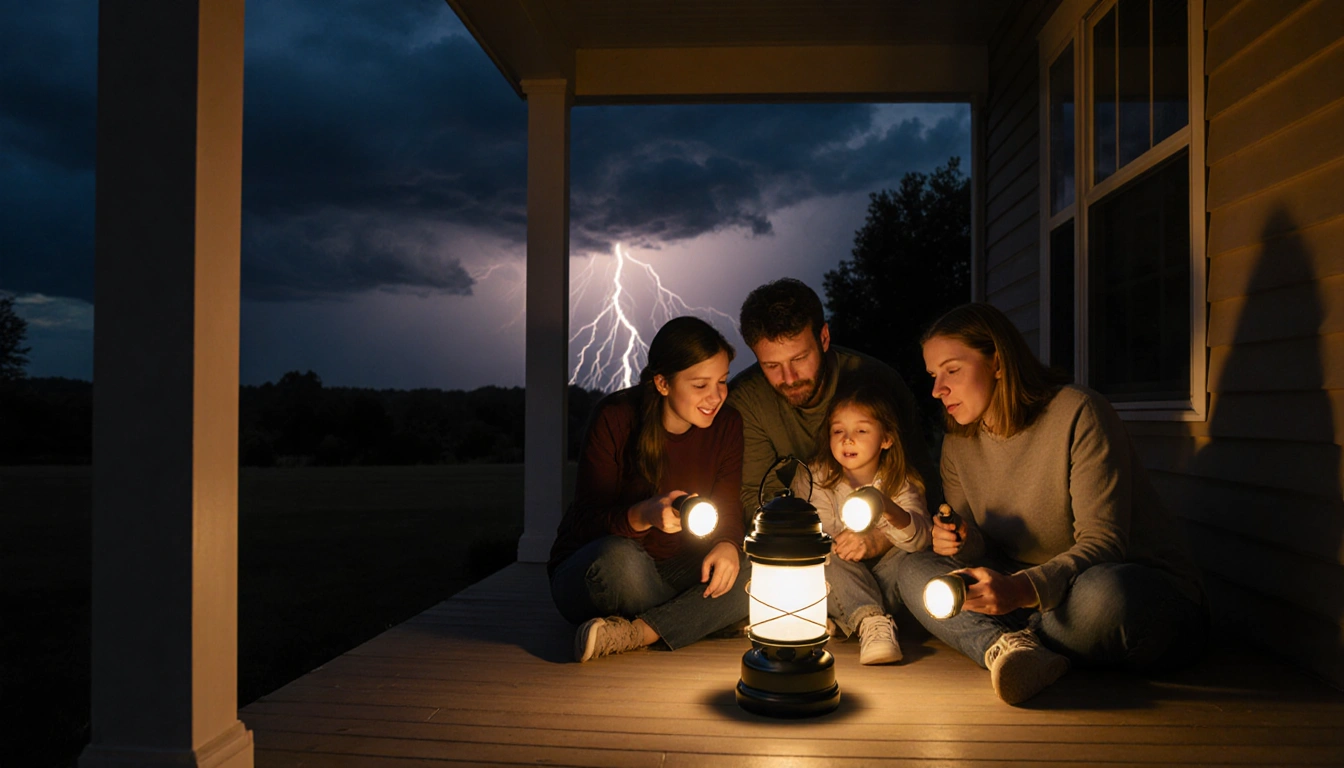
- Flashlights, glow sticks or battery lanterns
- Backup phone batteries and charger cords
- Blankets in cold weather or extra water in hot weather
- Phone numbers of friends and family, written down in case your phone dies
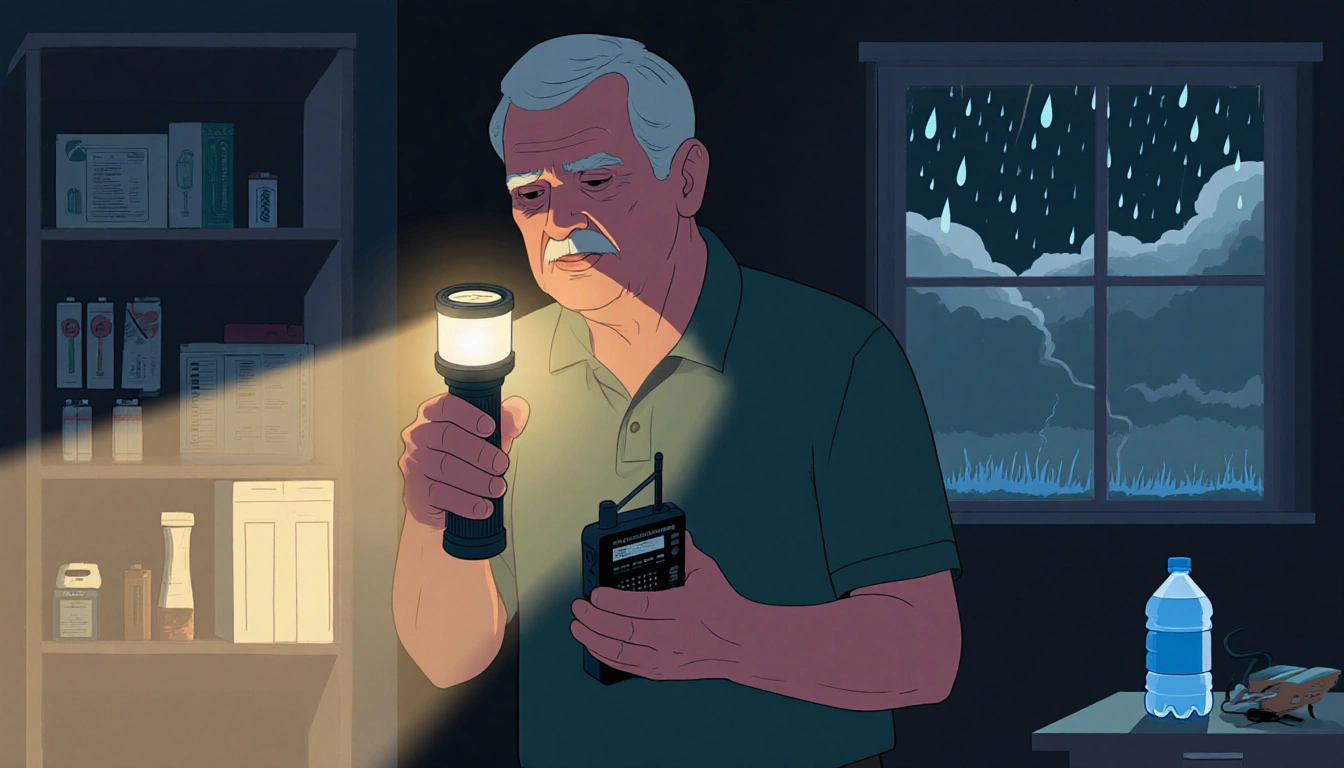
- Solar-powered or hand-crank radio
When choosing food, pick items that are nutritious, edible and palatable. Everhart asks, “Is your 6-year-old really going to eat a cold can of chili?”
When the Power Goes Out
Keep the fridge door closed; food can stay cold for up to four hours in a refrigerator and 48 hours in a freezer. Open the door less often to keep temperatures down.
- Eat perishable food first.
- If outdoor temperatures are about 37 °F (3 °C), moving food outdoors can help, but it’s not foolproof.
- If food smells, looks, or tastes off, discard it.
Check water safety before use. The Red Cross emergency app lists boil water notices when supplies are contaminated.
Stay warm with available resources: fireplaces, furnaces, hand warmers ($1), heated jackets ($100+), battery-powered heated blankets ($40+), and portable propane space heaters ($80+). Space-heater tanks can also fuel small gas camping stoves.
Never leave a space heater or candles unattended, and never bring a generator inside the house to avoid carbon monoxide poisoning. If the conditions are unsafe, leave and check on neighbors before you go.
Planning for the Next Time
The best time to plan is when there’s no imminent threat. Consider:
- How to open your garage door when power is out.
- A single place for keys and paperwork.
- A backup evacuation route.
- Emergency routes for public transportation.
- Saving for a larger generator: portable units of 5,000-10,000 W can power a microwave, refrigerator, or space heater and keep phones charged. Prices range from $500 to $1,000.
- Solar battery storage or reverse electric-vehicle charging to keep power during grid outages.
- Agreeing on ways to contact or meet up with family or friends if internet or phones fail.
| Generator Power | Typical Use | Cost Range |
|---|---|---|
| 5,000-10,000 W | Microwave, fridge, space heater | $500-$1,000 |
| Portable, battery-based | Small appliances, phone charging | Varies |
Denise Everhart summarizes: “Have a kit, have a plan, have a way to get notified, and a way to notify people. That’s really preparedness in a nutshell.”
Key Takeaways
- Keep an emergency kit stocked with essentials.
- Plan evacuation routes and backup power options.
- Stay informed through utility and local emergency alerts.
Preparedness is simple but life-saving during power outages.