At a Glance
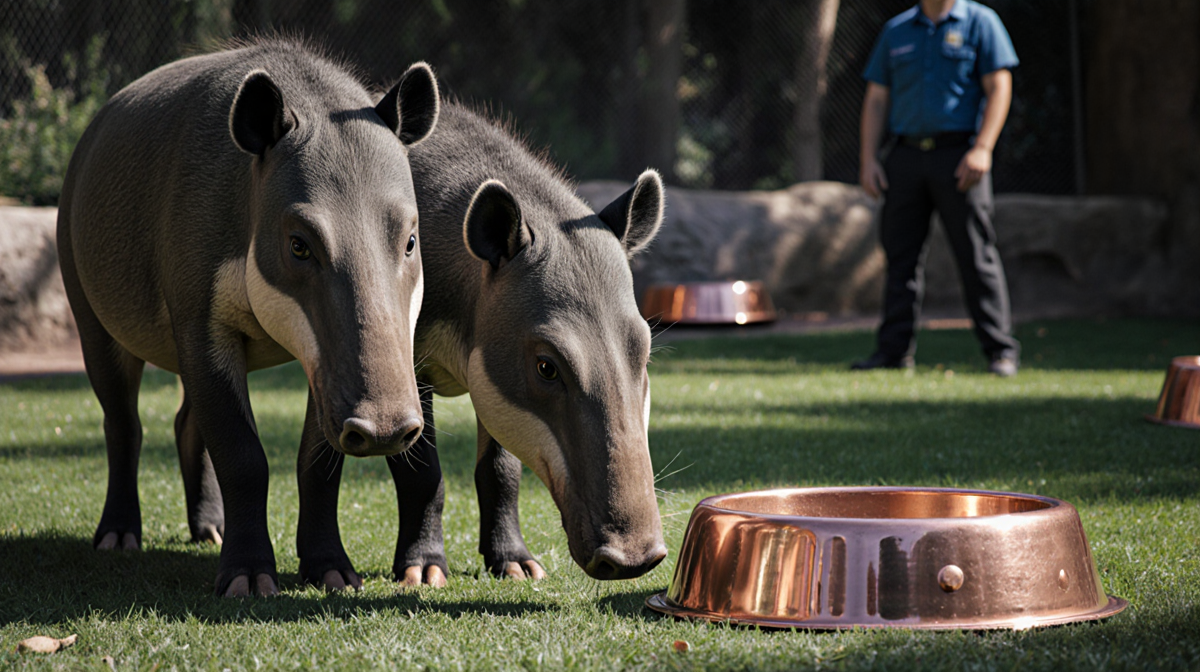
- Two endangered Malayan tapirs, 16-year-old JonHi and 18-year-old Rinny, died at the Denver Zoo.
- An internal review found an accidental mis-dosing of a copper supplement caused the deaths.
- The zoo has updated protocols and conducted a comprehensive review of dietary supplements.
- Why it matters: The incident highlights the importance of precise dosing in animal care and the zoo’s commitment to animal welfare.
The Denver Zoo announced the deaths of two of its Malayan tapirs, JonHi and Rinny, on January 23. An internal review concluded that the animals died from an accidental over-administration of a copper dietary supplement. Zoo officials say the incident was isolated and no other animals are at risk.
Background
The Denver Zoo Conservation Alliance is a nonprofit partnership that manages the Denver Zoo and focuses on conservation of endangered species. Malayan tapirs, native to Southeast Asia, are distinguished by their black-and-white markings and can weigh up to 700 pounds. They typically live up to 30 years.
Internal Review Findings
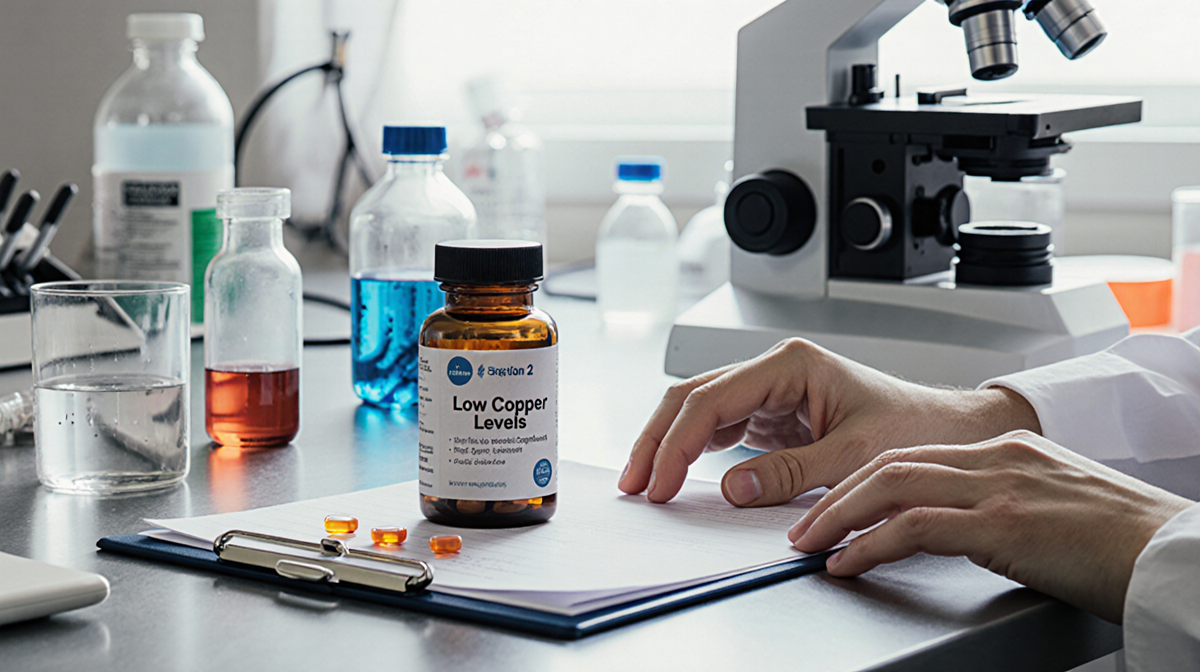
The zoo’s Animal Care and Animal Health teams conducted a thorough internal review. The review linked the deaths to an accidental mis-dosing of copper, a supplement added after low copper levels were detected in the animals’ blood. The review emphasized that the supplement is essential to the tapirs’ overall health when administered correctly.
> “In accordance with our standard procedures and protocols, our Animal Care and Animal Health teams conducted a thorough internal review and concluded that their deaths were connected to an accidental misdosing of copper,” the zoo’s statement read.
Zoo Response
Zoo officials described the incident as isolated to JonHi and Rinny and stated it posed no risk to other animals, staff, volunteers, or guests. They confirmed that immediate corrective actions were taken, including a comprehensive review of all dietary supplements that could cause harm.
> “We take full responsibility for identifying what went wrong and for addressing it directly and immediately,” the Denver Zoo Conservation Alliance wrote.
Jake Kubié, the director of public relations & brand communications for the zoo, said the loss had been devastating for the entire community of staff, volunteers, and guests.
> “The loss of JonHi and Rinny has been devastating for Denver Zoo Conservation Alliance’s entire community of staff, volunteers, and guests,” Kubié said.
Future Improvements
The zoo emphasized accountability and transparency, promising additional process improvements as a broader internal review continues. Officials described the loss as an opportunity to strengthen internal systems and reaffirm animal welfare as the highest priority.
The Denver Zoo thanked the public for its patience and support as the review process continues, noting that the loss of JonHi and Rinny has been deeply felt across the entire zoo community.
Key Takeaways
- Accidental copper overdose caused the deaths of two endangered tapirs.
- The incident was isolated, with no risk to other animals or visitors.
- The zoo has updated protocols and is conducting a broader internal review.
- The incident underscores the critical importance of precise dosing in animal care.