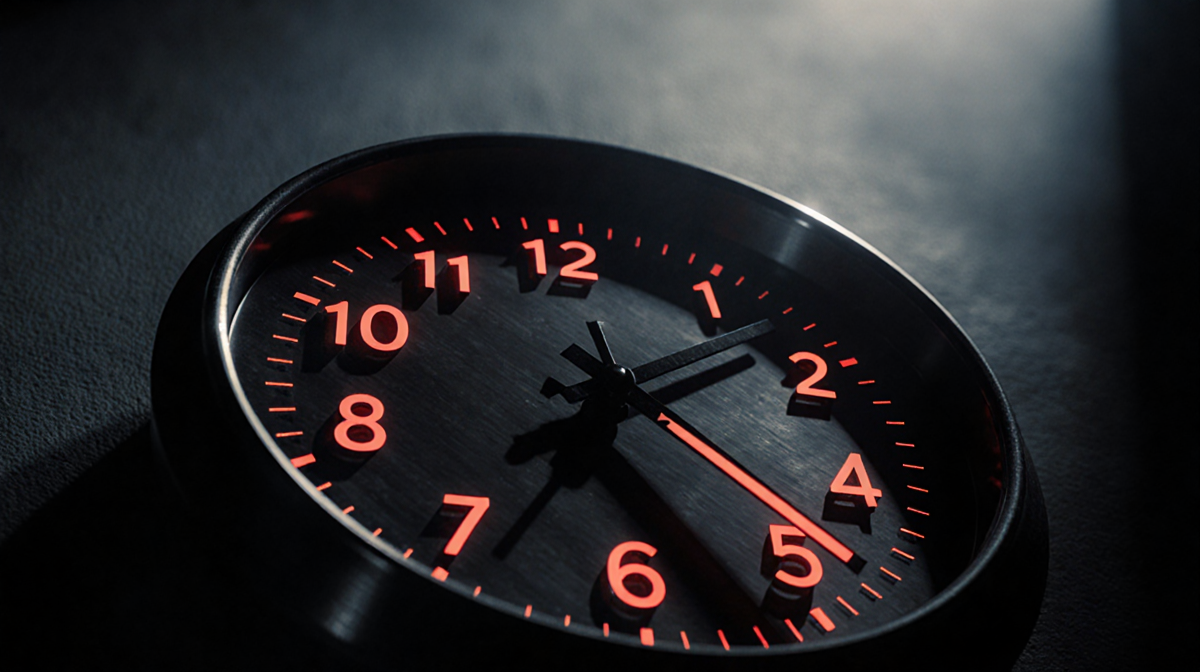
On Tuesday, Jan. 27, the Bulletin of the Atomic Scientists’ Science and Security Board (SASB) set the The Doomsday Clock to 85 seconds to midnight for 2026, the closest it has ever been to impending doom.
At a Glance
- The Doomsday Clock set to 85 seconds to midnight for 2026.
- Key risks: climate change, AI, nuclear weapons.
- The move follows a 89-second setting in 2025, a record at that time.
- The Bulletin urges global cooperation to mitigate existential threats.
The Doomsday Clock: A Symbol of Existential Risk
The Doomsday Clock, created in 1945 by Albert Einstein, J. Robert Oppenheimer and a group of scientists from the University of Chicago, has long served as a visual metaphor for humanity’s proximity to self-destruction. Each year the nonprofit reviews scientific and security developments, adjusting the clock to reflect how close humanity is to catastrophic outcomes. The 2026 setting marks the most alarming position in the clock’s history, underscoring how the world’s trajectory has shifted toward greater peril. The clock’s symbolic value lies in its ability to distill complex, multi-disciplinary risks into a single, easily understood metric. By placing the hands closer to midnight, the Bulletin signals that the cumulative threats-ranging from climate change to emerging technologies-are now more immediate and severe than ever before.
Setting the Clock: 85 Seconds to Midnight
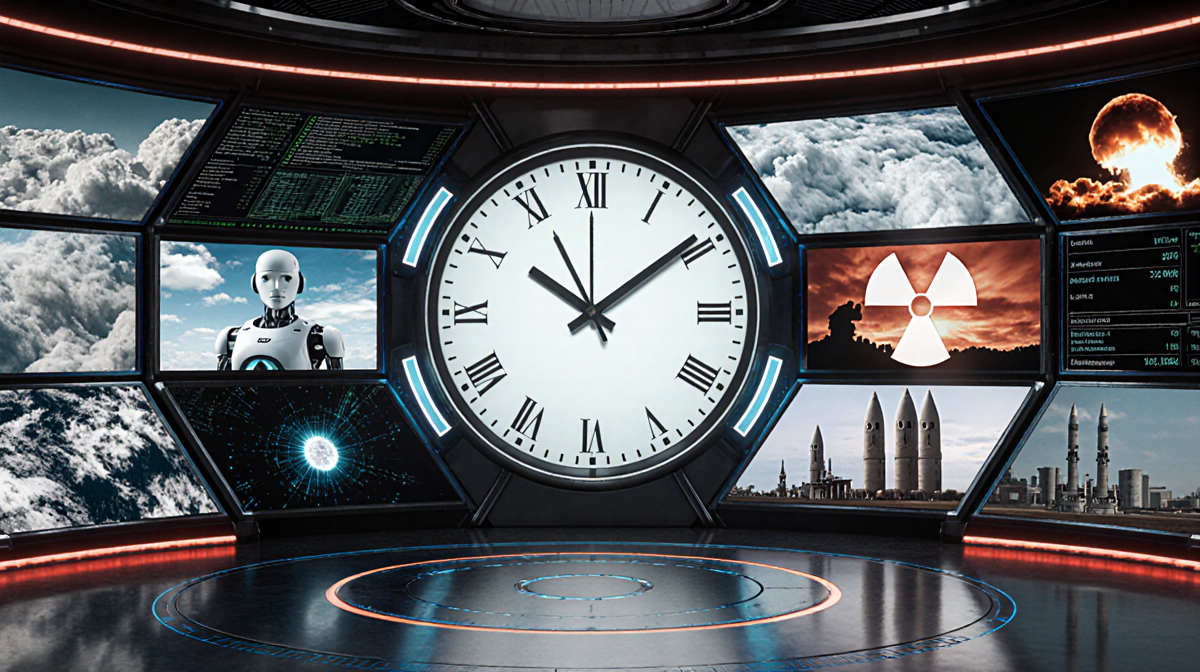
On Tuesday, Jan. 27, the SASB announced the new position, citing a convergence of threats that had intensified over the past year. Climate change continues to push the planet toward extreme weather events, while the rapid development of artificial intelligence raises concerns about autonomous weapons and societal disruption. Meanwhile, nuclear arsenals remain widespread, with several major powers maintaining large stockpiles that could be used in a conflict. The Bulletin’s assessment reflects how these risks interact, amplifying the likelihood that a misstep could bring humanity closer to catastrophic outcomes. The decision to move the clock to 85 seconds underscores the urgency of addressing these intertwined threats.
- Climate change accelerating global temperature rise and extreme weather.
- Artificial intelligence breakthroughs raising concerns about autonomous weapons.
- Nuclear arsenals remaining large and potentially destabilizing.
Historical Context
Founded in 1945 by Albert Einstein, J. Robert Oppenheimer and scientists from the University of Chicago, the Bulletin created the Doomsday Clock to convey the seriousness of man-made threats. The nonprofit focuses on global security and science, regularly publishing reports that analyze the impact of scientific advances on international stability. Over the decades, the clock has been adjusted many times, each shift reflecting new developments in nuclear policy, environmental science, and technology. The 2026 setting builds on the organization’s long tradition of using a single, powerful symbol to communicate complex risks to policymakers and the public.
Call to Action
In its press release, the Bulletin called for urgent action on several fronts. The organization urged the international community to limit nuclear arsenals, create international guidelines for the use of AI, and form multilateral agreements to address biological threats. The Bulletin also highlighted that far too many leaders have grown complacent and indifferent, adopting rhetoric and policies that accelerate rather than mitigate existential risks. Possible actions include:
- Resuming dialogue with Russia about limiting its nuclear arsenals.
- Leaning into the international community to prevent the creation of mirror life.
- Repudiating President Donald Trump’s war on renewable energy.
- Engaging in dialogue regarding guidelines for the incorporation of AI in militaries.
Expert Voices
The Bulletin’s press release featured statements from leading scientists. “the rise of nationalistic autocracies” poses increasing dangers, according to Daniel Holz, a professor at the University of Chicago. The organization warned that a world split into “us versus them” will leave humanity more vulnerable, and that hard-won global understandings are collapsing, accelerating a winner-takes-all great power competition. The Bulletin’s president echoed these concerns, noting that “the move to 85 seconds signals that the cumulative threats are now more immediate and severe than ever before.” The organization urged global cooperation to mitigate the risks highlighted by climate change, AI, and nuclear weapons.
Looking Ahead
The Bulletin’s historical adjustments show a pattern of increasing risk. The clock was previously set at 89 seconds to midnight at the start of 2025, a record at that time. The 2026 setting tightens the clock further, indicating that humanity’s trajectory has moved closer to catastrophic outcomes. The organization’s review process involves experts who assess how new scientific developments could influence global security, ensuring that the clock remains a timely reflection of the world’s risk landscape.
| Year | Setting | Notes |
|---|---|---|
| 2025 | 89 seconds | Record position at that time |
| 2026 | 85 seconds | Most alarming position in history |
Key Takeaways
The 85-second setting for 2026 marks the most alarming position in the Doomsday Clock’s history, underscoring how climate change, AI, and nuclear weapons have intensified. The Bulletin urges global cooperation to mitigate these risks, calling for urgent action on nuclear disarmament, AI governance, and biological threat agreements. The organization’s warnings about complacent leadership and collapsing international understandings highlight the need for decisive measures to steer humanity away from midnight.