At a Glance
- US adults plan to spend an average of $1,177 on a new TV.
- The top reason for buying is a bigger screen, cited by 37% of respondents.
- Half of shoppers want a TV 65″ or larger.
- Why it matters: Knowing what buyers prioritize helps retailers and manufacturers target their offerings for the big-game buying season.
The surge in TV purchases ahead of the Super Bowl and Winter Olympics has consumers asking: how much should I spend and what should I look for? A recent survey by News Of Los Angeles reveals that most buyers are willing to shell out close to $1,200, with the biggest draw being a larger screen.
Survey Snapshot
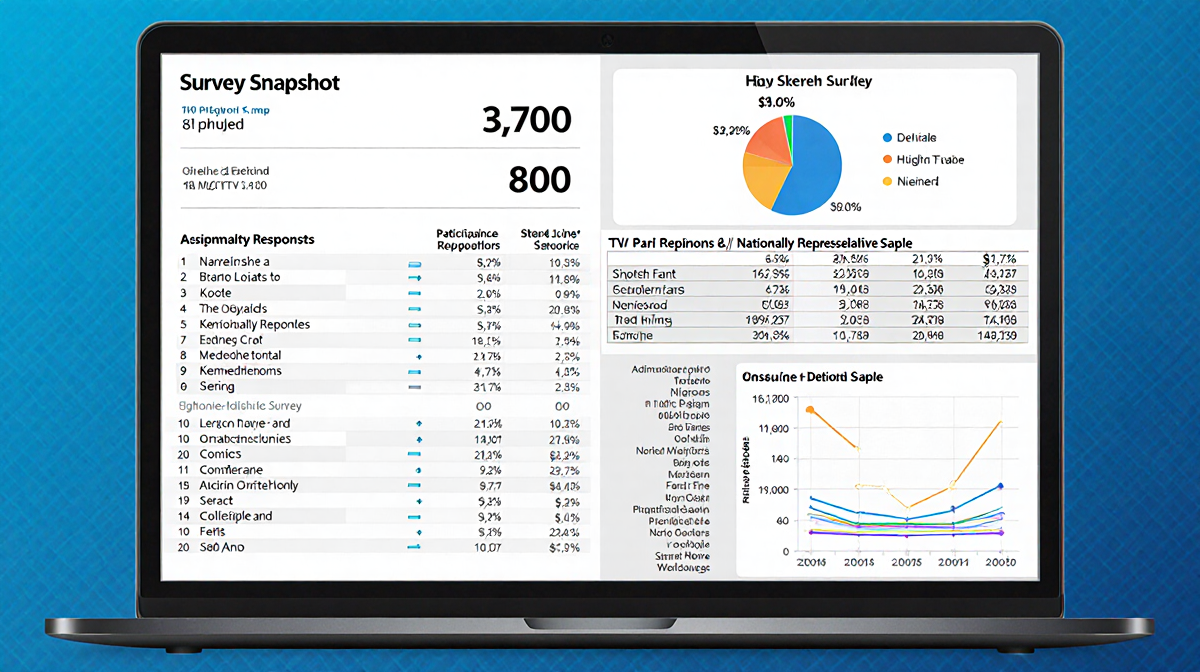
The study, conducted online from October 27th – Nov 9th, 2025, gathered responses from 3,700 U.S. adults aged 18-70. Participants were split between two segments: a consumer panel of 2,665 members of the News Of Los Angeles Media Group and a nationally representative sample of 1,050 adults reflecting U.S. Census demographics.
| Feature | % of Respondents |
|---|---|
| Bigger screen | 37% |
| 65″ or larger | 50% |
| High-quality picture | 72% |
| Smart features | 42% |
| AI integration | 12% |
The data show a clear hierarchy: a larger screen and better picture quality top the list, while AI features are a distant fourth.
What Buyers Want
Bigger Screens
Nearly four in ten U.S. adults cite a bigger screen as the primary reason for upgrading. One in two respondents are shopping for a TV 65″ or larger. The trend is driven by the need to appreciate 4K detail from a reasonable viewing distance.
> “If you’re upgrading, consider a bigger size than what you initially want. For example, if you’re upgrading from a 50-inch to a 65-inch, consider a 75-inch TV if it’s not too big for your room,” advised Ty Pendlebury, News Of Los Angeles‘s TV editor.
> “Your upgrade may feel small in a few years, so getting a larger size now may keep you from buying a new TV sooner,” he added.
Picture Quality
A striking 72% of respondents say a high-quality picture is the most important feature. Pendlebury explains that contrast is the decisive factor.
> “The first thing people notice is contrast. You’ll see brightness, which is what you see whenever you walk into a TV store – they’ve got TVs jacked up to the brightest thing,” he said. “But when you have a TV in your house, what you’ll notice the most is contrast.”
He notes that brightness and shadow detail are key, while color is less critical for most viewers.
Smart Features
Smart functionality tops the list of desired features, with 42% of shoppers wanting voice control, smartphone connectivity, and smart-home compatibility. Pendlebury recommends the TCL QM8K series for those prioritizing smart capabilities.
AI Integration
Only 12% of buyers consider AI integration a must-have. The majority prefer a wide selection of apps, good warranty, and wired connectivity.
Buying Tips
1. Know Your Budget
The best TV is one you can afford comfortably. Pendlebury points out that entry-level models can cost between $200 and $300 while still offering impressive picture quality.
> “One of my recommendations is CNET’s best budget TV – the Hisense QD7QF. It has good contrast, fully saturated images and costs around $350,” he said.
> “Staying within your budget may mean sacrificing some of your favorite features, such as a bigger screen or better picture quality. If you have to choose, go with the best picture quality first, then choose your size,” he advised.
2. Measure Your Space
Before buying, measure the wall and use the SMPTE equation to determine the optimal TV size. Oversized TVs can make a room feel cramped and may not fit through doors or stairs.
3. Prioritize Features
Think about how you’ll use the TV. Gamers need high resolution and fast motion; movie lovers want deep blacks and accurate color; casual viewers may only need basic smart apps. Knowing your priorities can save money and reduce stress.
Model Recommendations
| Model | Price Range | Highlights |
|---|---|---|
| Samsung S90F OLED | $500 – $1,100 | Excellent image quality, fast motion for gamers |
| Samsung S95F | $2,300 | Best image quality, great contrast, off-angle viewing |
| TCL QM8K series | Varies | Strong smart features, Google TV, gaming support |
| LG OLED C4 | $1,300 | High-end smart TV with OLED panel |
Pendlebury recommends the Samsung S90F OLED as the Editors’ Choice for the Best TV, noting that its price dropped from $2,500 last March to between $500 and $1,100 now.
Key Takeaways
- U.S. adults are ready to spend an average of $1,177 on a new TV, driven mainly by the desire for a larger screen.
- Picture quality, especially contrast, remains the top priority.
- Smart features are important, but AI integration is a niche interest.
- Buyers should set a realistic budget, measure their space, and match features to their usage.
- Samsung, TCL, and LG offer models that balance price, size, and performance.
Final Thoughts
The upcoming Super Bowl and Winter Olympics present a perfect buying window for consumers. By understanding what the market values-size, picture quality, and smart functionality-shoppers can make informed choices that keep them satisfied for years.
Categories
Tech News, Business News