Introduction
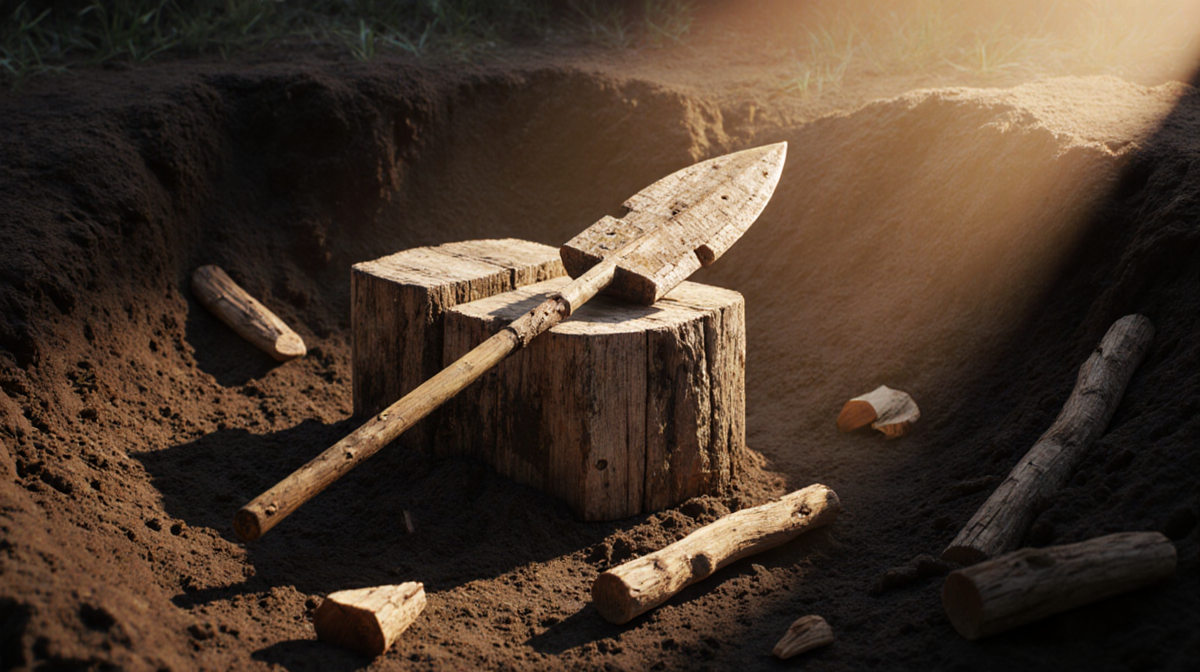
Scientists in Greece have uncovered the oldest wooden tools yet, dating back 430,000 years. The finds-a digging stick and a smaller wooden piece-offer a rare glimpse into the material culture of early humans.
At a Glance
- Age: 430,000 years
- Tools: A 2 ½-foot (80 cm) digging stick and a smaller willow or poplar fragment
- Location: Marathousa 1, Megalopolis basin
- Significance: First wooden artifacts of this age recovered in Europe
- Why it matters: Reveals that early humans used a broader range of materials than previously documented
The Discovery
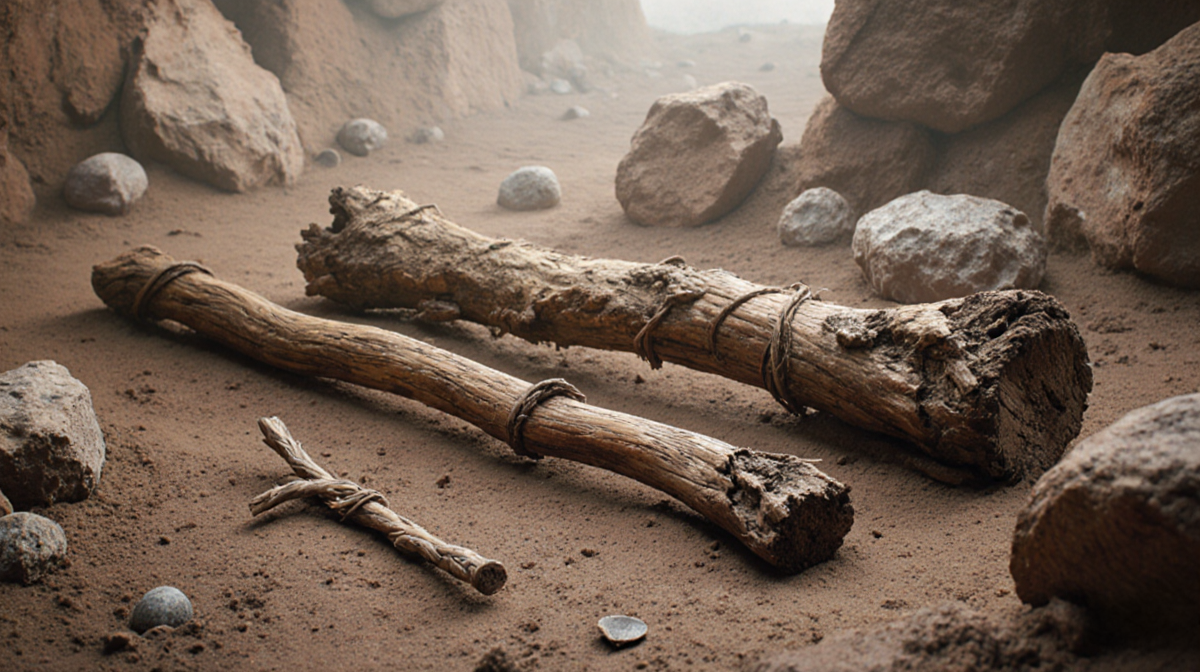
At the Marathousa 1 site in the Megalopolis basin, archaeologists uncovered two wooden artifacts. One is a spindly stick about 2 ½ feet (80 cm) long, likely used for digging in mud. The other is a smaller, more enigmatic handheld chunk of willow or poplar wood that may have been employed to shape stone tools.
The artifacts were found in layers of sediment that had quickly buried them, preserving the wood in a wet environment-a rare circumstance that allowed the material to survive for hundreds of thousands of years.
Preservation and Context
Wood decays rapidly, so finds of wooden tools are exceedingly uncommon. They are typically preserved only in ice, caves, or underwater settings. In this case, the wet sediment of the Megalopolis basin acted as a natural freezer, slowing decomposition.
Other remnants at the site include stone tools and elephant bones bearing cuts, suggesting that the area was a hub of activity for early humans or hominins. Although no human remains have been recovered, the tools’ age indicates that Neanderthals, early human ancestors, or another hominin species could have crafted and used them.
What the Tools Tell Us
The digging stick’s dimensions and shape align with a tool designed for probing or harvesting in muddy ground. The smaller wooden piece, by contrast, shows no obvious wear patterns, yet its size and material hint at a role in shaping stone implements-perhaps as a handle or a form of roughing-tool.
These artifacts underscore that early humans employed a wide array of materials-stone, bone, and now wood-in their toolkit. The diversity of tool types challenges the assumption that early toolkits were dominated solely by stone.
Comparisons to Other Finds
- Germany: A set of wooden spears dating to the Upper Paleolithic.
- China: 300,000-year-old wooden digging sticks used for harvesting plants.
- Greece: The Marathousa 1 tools are the oldest wooden artifacts discovered in Europe.
| Region | Tool | Age | Material |
|---|---|---|---|
| Germany | Spears | ~50,000 years | Wood |
| China | Digging sticks | ~300,000 years | Wood |
| Greece | Digging stick & fragment | 430,000 years | Wood |
The Greek finds push back the earliest known use of wood by a substantial margin.
Expert Perspectives
“We’ve always been thrilled to be able to touch these objects,” said study author Annemieke Milks of the University of Reading. “They give us a tangible connection to our distant ancestors.”
Archaeologist Jarod Hutson of the Smithsonian National Museum of Natural History noted, “The site probably has more gems from the past that are waiting to be found. The unassuming appearance of these tools makes them harder to interpret, but they’re invaluable.”
Study author Katerina Harvati of the University of Tübingen added, “The new find offers a rare look into the varied collection of tools used to survive-a glimpse at a ‘little known aspect of the technology of early humans.'”
What Comes Next
Future work will focus on direct dating of the wooden artifacts, detailed use-wear analysis, and searching for human remains that could confirm the toolmakers’ identity. The discovery also prompts a reevaluation of the technological capabilities of early hominins in the region.
The findings will be published in the journal Proceedings of the National Academy of Sciences and are expected to stimulate further research into the role of wood in prehistoric toolkits.
Key Takeaways
- The Marathousa 1 site yielded 430,000-year-old wooden tools.
- The artifacts were preserved by rapid burial in wet sediment.
- They expand our understanding of early human technology.
- Further study will aim to clarify the tools’ use and the identity of their makers.
—
Note: This article is based on the original report by Sophia A. Reynolds.