At a Glance
- Milene Andrade surprised her 6-year-old daughter with a pink sensory room that became a daily refuge.
- The room includes sparking lights, a tent, a rainbow-painted wall, a piano, and a spinning chair.
- Since the gift, the family reports fewer tantrums and a calmer home environment.
Why it matters: A thoughtfully designed sensory space can help children with autism find calm and creativity, showing parents how small changes can make a big difference.
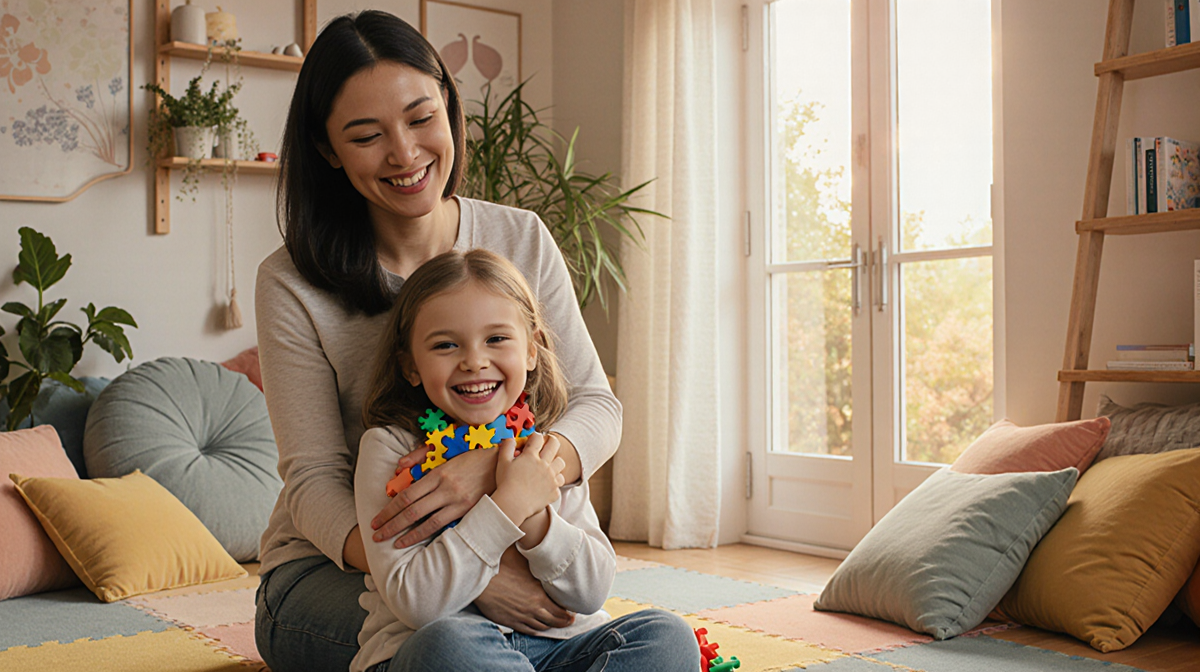
A mom in Massachusetts captured the internet’s attention when she surprised her 6-year-old daughter with a pink sensory room. The video, posted on TikTok, shows the child’s joy as she explores a space filled with sparking lights, a cozy tent, a rainbow wall, a piano, and a spinning chair. The surprise was presented as a Christmas gift, but the room has since become a vital part of the family’s daily routine.
The Surprise
Milene Andrade first shared the moment on TikTok, where viewers watched her daughter, Khaleesi, react in real time. The clip’s text overlay read, “surprising my daughter with autism with her new sensory room,” giving viewers an instant sense of what the moment meant. Andrade, 31, told News Of Los Angeles that her daughter loves art and being creative, so she wanted a space in their home where Khaleesi could fully express herself. The video quickly went viral, resonating with parents and caregivers who see the same need in their own homes.
Designing the Space
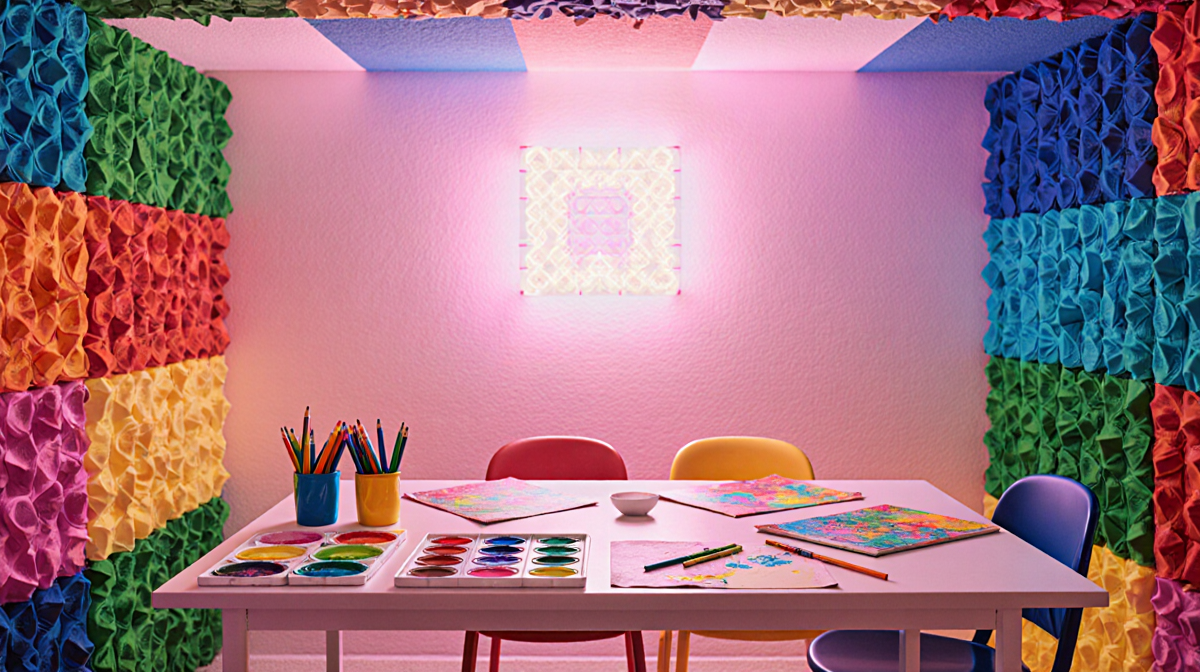
Andrade began by picturing a single key piece: an art table where Khaleesi could draw whenever inspiration struck. As she scrolled through content from other parents of children with autism, she gathered ideas that aligned with her daughter’s interests. “I got ideas from other autism parents and started putting ideas together based on my daughter’s interests,” Andrade said. She added that the vision expanded from a simple art table to a room intentionally designed to meet Khaleesi’s sensory needs. The pink theme, sparking lights, and rainbow wall were chosen to create a soothing yet stimulating environment.
The room’s layout includes a tent for quiet play, a piano for musical exploration, and a sensory chair that spins to help regulate emotions. Andrade explained that the spinning chair has become a tool Khaleesi can rely on when her emotions feel intense. “I noticed that when she is upset, she will go directly to the spinning chair, and that works to calm her down,” she said.
Daily Impact
Since the room’s completion, the family has noticed significant changes in their home dynamic. Andrade reported that Khaleesi now heads straight to the sensory room after school. “She has really enjoyed the room,” Andrade said. “She comes home and heads straight to her sensory room.” The space has also reduced tantrums, providing a consistent place for Khaleesi to reset. “We have had a lot less tantrums happening in the home,” Andrade added.
Music has become another comforting anchor inside the room. Khaleesi can pick a specific beat on the piano and let it play on repeat, giving her a repetitive, familiar sound she can control. This simple act offers a sense of predictability that is especially valuable for children on the autism spectrum.
Key Features
- Spinning chair – the daughter’s favorite, used for emotional regulation.
- Piano – allows Khaleesi to choose a beat and play it repeatedly.
- Rainbow wall – provides a visually stimulating backdrop that also soothes.
- Tent – offers a cozy space for quiet play and retreat.
- Sparking lights – add gentle visual stimulation to the room.
Each element was selected to support Khaleesi’s creativity, sensory needs, and emotional well-being. The result is a room that feels both playful and therapeutic.
Conclusion
Milene Andrade’s project demonstrates how a thoughtful, child-centered design can transform a home environment for a child with autism. By turning a simple surprise into a daily sanctuary, she has created a space that nurtures creativity, reduces tantrums, and offers emotional regulation tools. Parents looking to support their children’s sensory needs can find inspiration in this example of intentional design and community-driven idea sharing.
Key Takeaways
- A sensory room can become a daily refuge for children with autism.
- Community ideas and personal interests help shape effective spaces.
- Consistent, calming environments reduce behavioral challenges.
- Small, well-chosen features like a spinning chair or piano can have a large impact.
—