At a Glance
- International Holocaust Remembrance Day observed on Jan. 27, the anniversary of Auschwitz-Birkenau’s liberation.
- Celebrations spanned Europe, with survivors, politicians, and citizens gathering at memorials, marches, and speeches.
- Leaders warned of rising antisemitism and called for remembrance and vigilance.
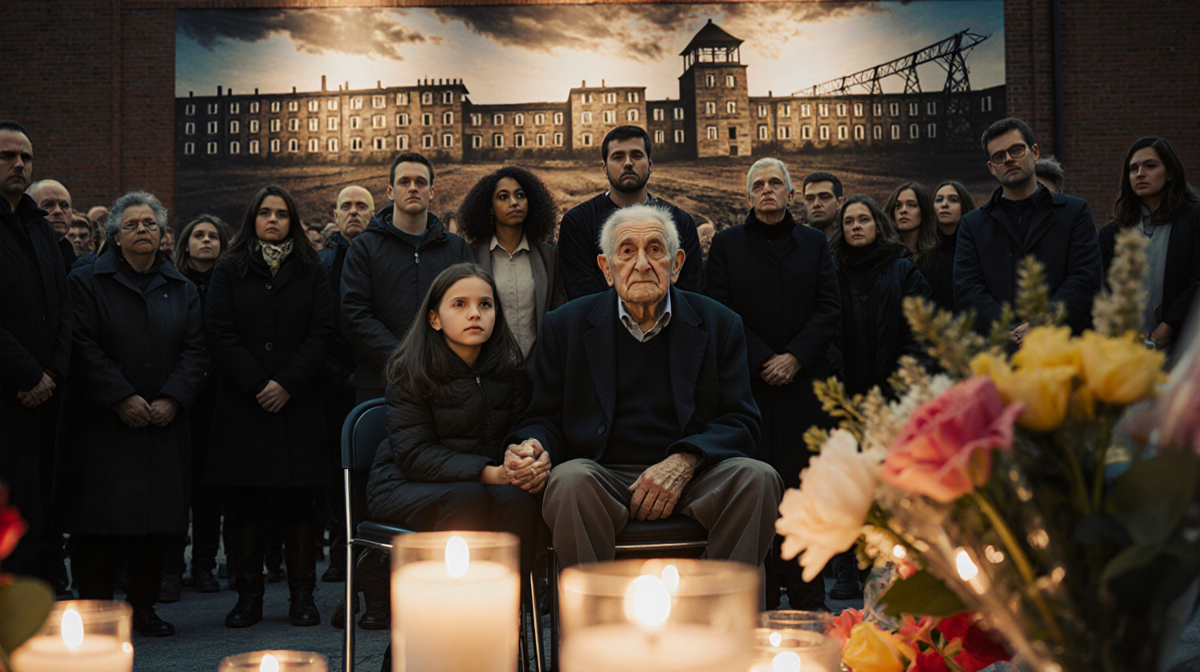
International Holocaust Remembrance Day was marked across Europe on Tuesday, with survivors, politicians and ordinary people gathering at memorial sites and public events to reflect on the Holocaust’s legacy. The day, observed on Jan. 27, commemorates the liberation of Auschwitz-Birkenau and serves as a global reminder of the atrocities committed by Nazi Germany.
Events Across Europe
In Poland, former prisoners laid flowers and wreaths at a wall in Auschwitz where thousands were executed by German forces. President Karol Nawrocki was set to join survivors for a ceremony at Birkenau, the nearby site where Jews from across Europe were exterminated in gas chambers. The memorial in Berlin’s Memorial to the Murdered Jews of Europe saw candles burned and white roses placed on its 2,700 gray concrete slabs, a symbol of Germany’s remorse for the 6 million victims.
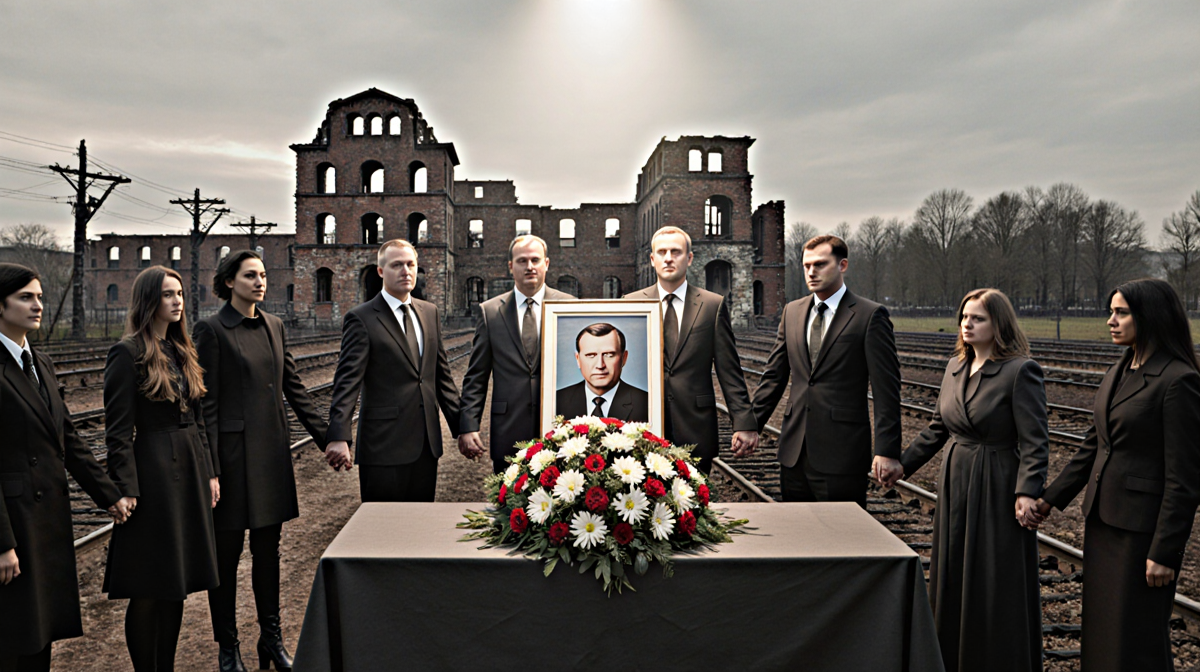
A candle-light march is planned in the Czech Republic’s Theresienstadt, the former Nazi concentration camp where thousands of Jews died or were sent to Auschwitz. In London, a Holocaust survivor addressed the British Cabinet, the first such testimony before the government. Prime Minister Keir Starmer described the event as historic, while Cabinet members wiped away tears as 95-year-old Mala Tribich recounted the destruction of her childhood in Nazi-occupied Poland.
Memorial Sites and Ceremonies
| Country | Site | Key Actions |
|---|---|---|
| Poland | Auschwitz-Birkenau | Flowers, wreaths, planned ceremony with President Nawrocki |
| Germany | Memorial to the Murdered Jews of Europe | Candles, white roses on 2,700 slabs |
| Czech Republic | Theresienstadt | Candle-light march |
| United Kingdom | London | Survivor testimony before Cabinet |
At Auschwitz, the wall where German forces executed thousands of prisoners was the focus of a solemn tribute. The site’s proximity to the vast Birkenau complex underscores the scale of the Holocaust, where 1.1 million people were killed, most of them Jews, but also Poles, Roma and others. The camp was liberated by the Soviet army on Jan. 27, 1945.
Statements from Leaders
European Union foreign policy chief Kaja Kallas warned that the world is seeing the highest levels of antisemitism since the Holocaust. She highlighted the misuse of AI-generated content to blur fact and fiction, distort historical truth, and undermine collective memory. Czech President Petr Pavel called the day a call to reflect on the past and the responsibility we have as a society, noting that some still trivialize or sympathize with Nazi ideology.
“The world is seeing the highest levels of anti-Semitism since the Holocaust,” Kallas said.
Pavel added, “Unfortunately, even today there are people who trivialize the hateful Nazi ideology, or even sympathize with it.”
Survivor Stories
Survivor Pavel Jelinek, 90, spoke at the Czech Parliament, noting he is the last living survivor of the 37 Jews who returned to his hometown of Liberec after the war. He shared his motto: “The whole world is one narrow bridge, and what matters is not to be afraid at all.”
In London, 95-year-old Mala Tribich urged Cabinet members to fight antisemitism and remember. She said, “Soon, there will be no eyewitnesses left. That is why I ask you today not just to listen, but to become my witness.”
Shrinking Survivor Community
The Conference on Jewish Material Claims Against Germany reports an estimated 196,600 Jewish Holocaust survivors still alive worldwide, down from 220,000 a year earlier. Nearly all, 97%, are child survivors born in 1928 or later. The community’s numbers continue to decline, but survivors remain active in sharing their stories.
The annual gathering at the Czech Parliament highlighted the urgency of preserving testimonies before the last survivors pass away. The survivor community’s shrinking numbers underscore the importance of remembrance and education.
Key Takeaways
- International Holocaust Remembrance Day on Jan. 27 serves as a global reminder of the Holocaust’s atrocities.
- Memorials across Europe hosted ceremonies, marches, and survivor testimonies.
- Leaders warned of rising antisemitism and the misuse of AI to distort history.
- The survivor community is shrinking, with fewer than 200,000 alive worldwide.
- Survivor testimonies, such as those by Pavel Jelinek and Mala Tribich, emphasize the need for vigilance and remembrance.
These events and statements reinforce the day’s purpose: to honor victims, educate future generations, and confront the enduring threat of antisemitism.