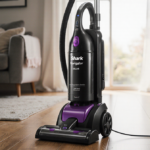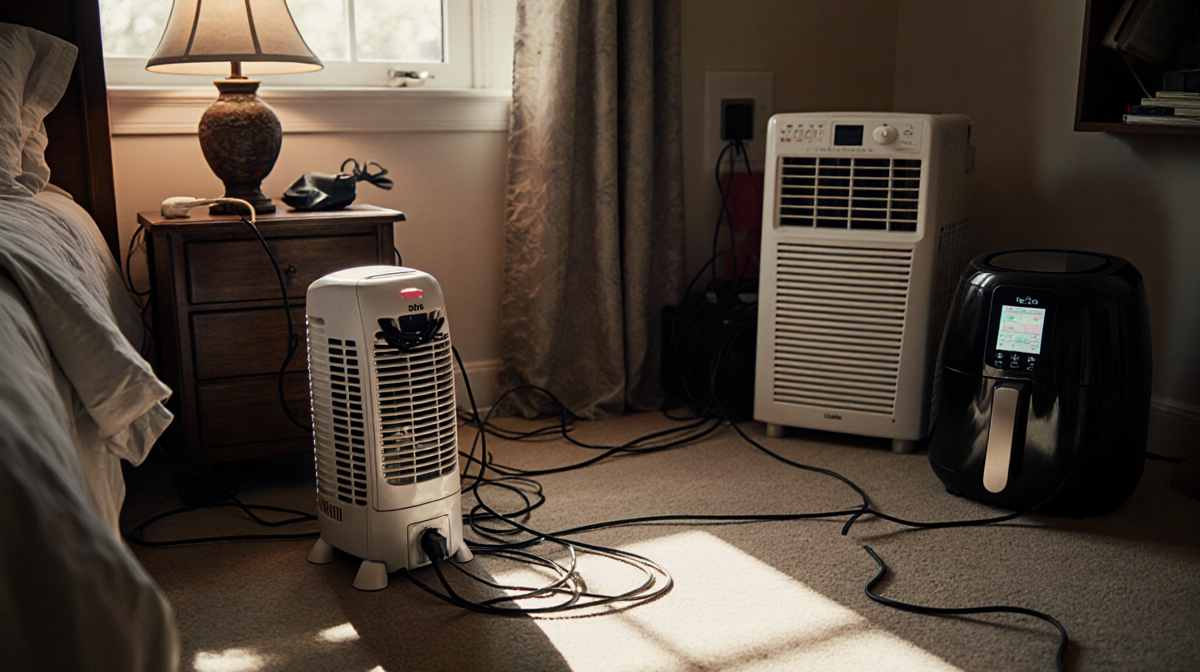
Devices that should always be unplugged can prevent costly fires and electrical hazards.
At a Glance
- 38,881 home heating equipment fires reported from 2019-2023.
- 29% of those fires were caused by space heaters or heating stoves.
- Leaving high-draw appliances plugged in is a common safety mistake.
- Why it matters: Unplugging reduces fire risk and protects your home.
A quick trip out or a long vacation can leave appliances plugged in, creating a silent danger. A licensed electrical engineer explains why certain everyday devices are more risky than others. Understanding which items should be unplugged when not in use helps keep families safe and saves potential repair costs.
Why Unplugging Matters
The National Fire Protection Association reports that from 2019 to 2023 fire departments responded to an estimated 38,881 home heating equipment fires. Space heaters and heating stoves accounted for 29% of those incidents. These statistics show that even common household appliances can become fire hazards if left plugged in.
Electrical engineers warn that high-draw devices-those that consume a lot of power-can generate heat and stress cords and outlets. When a device is left plugged in, power continues to flow, even if the appliance is turned off, especially if it has a standby mode or remote control.
The Seven Devices You Should Always Unplug
1. Space Heaters
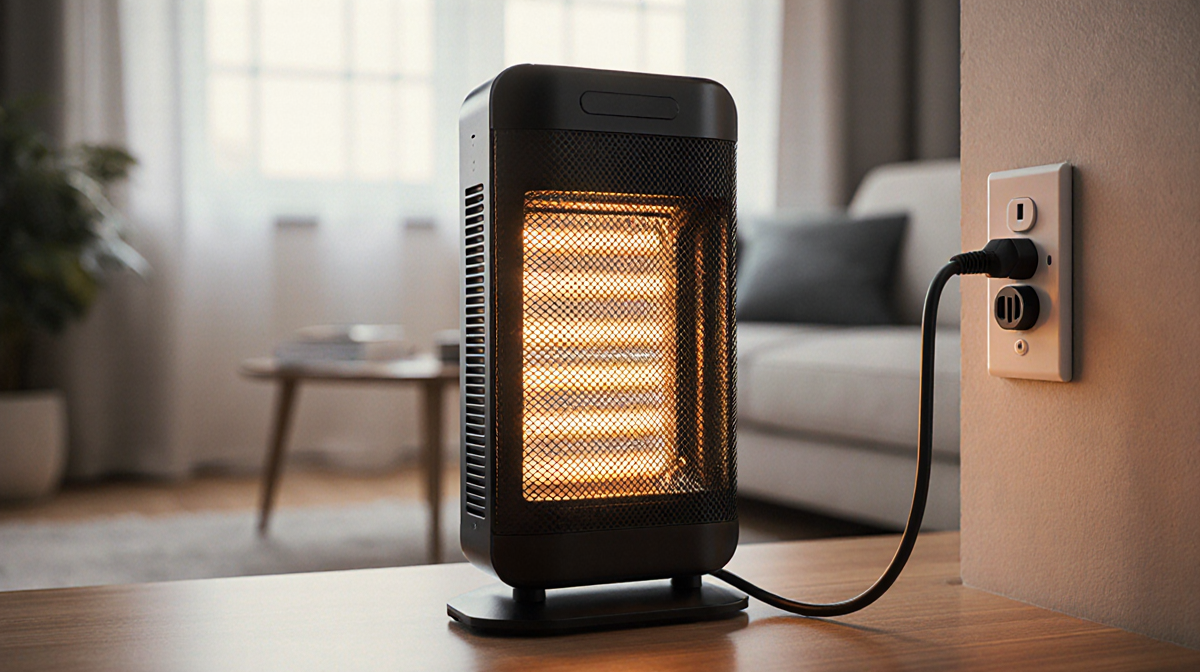
Space heaters, even those with tip-over safeguards, should never be placed on rugs or other flammable surfaces. They are the top cause of heating-equipment fires. Never plug a space heater into an extension cord and always unplug it from the wall outlet when you leave home or when it is not in use.
2. Air Fryers
Air fryers have become a kitchen staple, but they share the same risks as space heaters. The heat-producing elements can overheat if left plugged in, even when the unit is off. Avoid extension cords and unplug the appliance after each use.
3. Portable Air-Conditioning Units
Portable AC units are classified as high-draw devices. They do not produce heat, but their power consumption is substantial. Unplug them when you leave the house to prevent potential electrical overload.
4. Hair Tools
Hair dryers, curling wands, and straightening irons all have off switches that can fail. The devices still draw power when plugged in, and the cords can become hot. After using them, unplug the tool from the outlet.
5. Older Coffee Makers
Older coffee makers often lack an automatic shut-off feature, which can lead to overheating if forgotten. Even newer models may benefit from an extra safety layer: unplug the coffee pot after use.
6. Lamps or Small Devices with Old Cords
If a lamp or small appliance has a frayed or “sketchy” cord, it can be a fire hazard. The same applies to old outlets. Having them inspected and replaced by a certified electrician is the safest option.
7. Toasters
Toasters can catch crumbs that become a fire hazard. After using a toaster, unplug it and keep it clean. While the risk is relatively small, erring on the side of caution is wise.
What About Smaller Electronics?
Devices that do not generate heat-such as computer monitors, phone chargers, televisions, and alarm clocks-typically draw little current and are not considered a fire risk if their cords and outlets are in good condition. They can remain plugged in when you are not home.
Key Takeaways
- Unplug high-draw appliances like space heaters, air fryers, and portable AC units.
- Avoid extension cords for heat-producing devices.
- Inspect cords and outlets regularly; replace frayed or old ones.
- Keep kitchen appliances clean to prevent crumb buildup.
- Small electronics that do not produce heat are generally safe to leave plugged in.
By following these simple habits, you can reduce the risk of fire and electrical accidents in your home.
Bottom Line
“Devices that make heat or have motors are the ones I’d never leave plugged in when I’m gone,” says Jerry Poon, principal engineer at Red Dog Engineering. “If something goes wrong, [it goes] wrong fast.”