Intro paragraph
Cleaning a cast-iron skillet can feel intimidating, but the process is straightforward once you know the right steps. Modern dish soap won’t strip seasoning, and a few simple techniques keep the pan nonstick, rust-free, and ready for your next meal.
At a Glance
- Soap is safe for cast iron; only harsh cleaners can damage seasoning.
- Warm water and a wooden spoon or soft brush remove most residue.
- Dry immediately on heat and re-season with a light oil or wax.
Why Soap Isn’t a Problem
The myth that soap destroys seasoning comes from older lye-laden cleaners. Modern dish soap is formulated to lift grease, not break the polymerized layer that bonds oil to iron. A small dab of soap won’t erase the patina, but harsh soaps can erode the nonstick surface and alter flavor.
> “The No. 1 cast-iron cookware cleaning question is whether you can use soap to clean a skillet or grill pan. The answer is yes, but you should try not to. A little bit of soap – I mean a really small dab – won’t ruin your cast iron, but certain harsh soaps will erode the nonstick patina and could also affect the flavor your cast iron has developed.” – Jonathan P. Miller/News Of Los Angeles
Basic Cleaning Steps
- Act quickly – while the pan is still warm, add a splash of warm water. Avoid scorching heat that can warp metal.
- Loosen food – let the water simmer for a few minutes to soften residue.
- Scrape gently – use a wooden spoon or a soft-bristle brush to lift stuck-on bits.
### Tools That Work
- $20 Oxo cast-iron brush – great for flat skillets and grill pans, with separated bristles that reach tight spaces.
- Palm scrub brush – a natural option that may not last as long.
- Standard soft sponge – suitable for light scrubbing but will wear out quickly.
> “I like this $20 Oxo cast-iron brush. It works great on a classic flat skillet but has separated tufts of bristles, so it’ll work well on cast-iron grill pans or grates.” – Jonathan P. Miller/News Of Los Angeles
> “If you prefer something more natural, a palm scrub brush – like these will work, but they might not last as long.” – Jonathan P. Miller/News Of Los Angeles
Using Salt for Stubborn Food
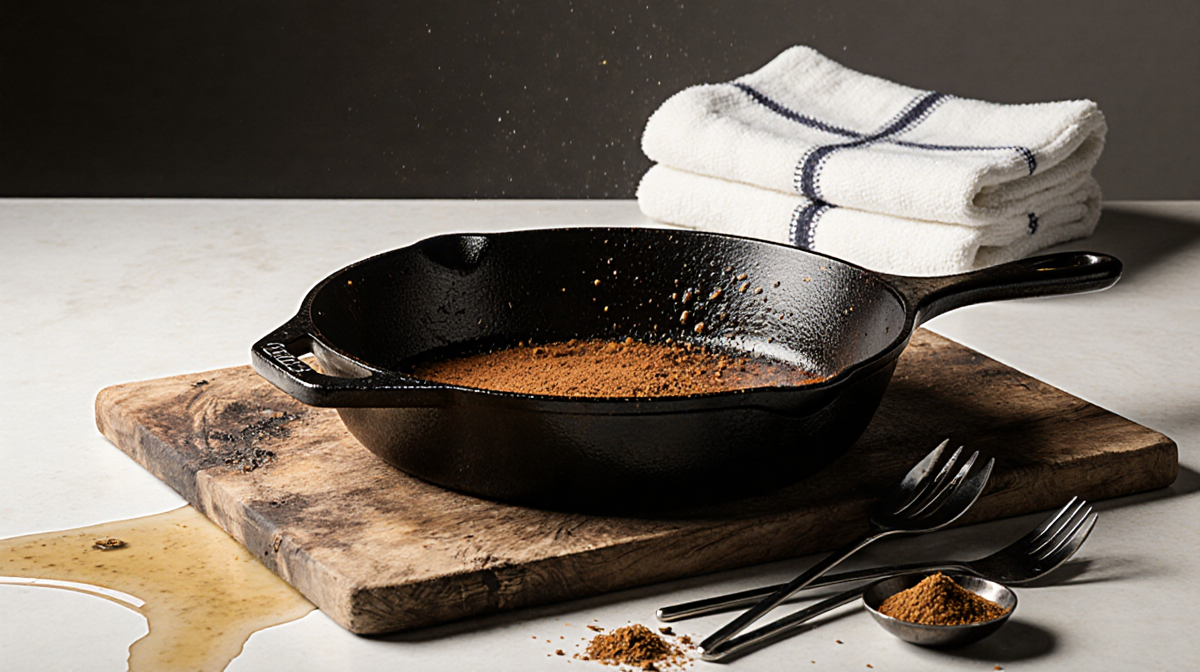
When grease is heavy or food is baked onto the surface, sprinkle a generous amount of kosher salt without water. Scrape with a flat-ended wooden spoon or spatula. After the salt lifts the residue, add a bit of water to finish the clean.
> “If you need to scrub harder than you can with a wooden spoon or rag, use a cast-iron safe brush like the ones mentioned above.” – Jonathan P. Miller/News Of Los Angeles

Drying and Seasoning
Rust is the most common problem, but it’s easily avoided by drying immediately and thoroughly.
| Method | How to | Time | Temperature |
|---|---|---|---|
| Stovetop | Place pan over low heat until steam slows | 5 minutes | – |
| Oven | Bake at 325 degrees Fahrenheit | 5 minutes | 325°F |
The stovetop method dries from the inside out, while the oven method works from the outside. After the pan is dry and still warm, apply a light coat of oil or a specialty seasoning wax.
> “After it’s dry and while it’s still hot, you can (and should) feel free to season it more with a cast-iron seasoning wax (I like Made In’s mix of beeswax, canola and flaxseed oil) or some other high-heat cooking oil.” – Jonathan P. Miller/News Of Los Angeles
> “A quick seasoning after every few uses will keep your cast-iron skillet in great form.” – Jonathan P. Miller/News Of Los Angeles
When to Avoid Soap
If the pan has a thick build-up of old seasoning or is heavily soiled, a quick rinse with warm water may be enough. Use soap only when the surface is visibly greasy or contains food residue that won’t lift with water alone.
> “I like this $20 Oxo brush is tough and especially good for cleaning between the grates of cast-iron grill pans.” – Jonathan P. Miller/News Of Los Angeles
Key Takeaways
- Modern dish soap is safe; only harsh cleaners risk eroding seasoning.
- Warm water, a wooden spoon, and a soft brush remove most residue.
- Salt helps lift stubborn food; rinse afterward.
- Dry immediately on heat and re-season with a light oil or wax.
- Avoid soaking or using a dishwasher, which strips seasoning.
Conclusion
By following these steps, you’ll keep your cast-iron skillet nonstick, rust-free, and ready for countless meals. A little care now saves a lot of trouble later.