At a Glance
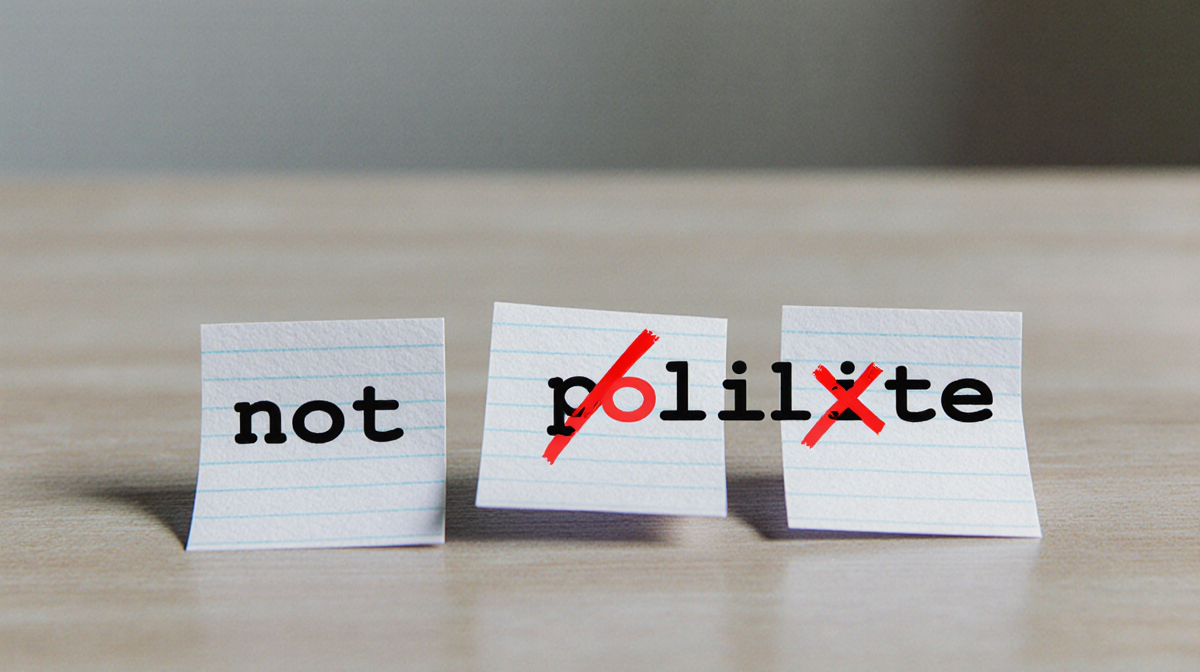
- The NYT Strands puzzle for Jan. 21, 2026 has the theme “That’s not very polite.”
- Players must uncover hidden words; every three four-letter or longer words reveal a theme word.
- The puzzle’s spangram is DONTBERUDE, spanning the board from one side to the other.
Why it matters: Understanding how to unlock theme words speeds up solving and helps keep up with daily NYT puzzle releases.
The New York Times daily puzzle, Strands, challenges solvers to find hidden words that match a theme. For today’s release, the theme is “That’s not very polite,” with the clue “Bad behavior.” Each time a player discovers three words that are four letters or longer, Strands will reveal one of the theme words. The puzzle’s spangram, a word that stretches across the board, is DONTBERUDE.
What Is Strands?
Strands is a crossword-style puzzle that blends word-finding with theme discovery. The board is filled with letters, and solvers look for words that fit the theme. When enough words are found, the puzzle lights up letters that spell a theme word, giving clues to the overall puzzle.
How the Theme Works
- The theme for Jan. 21, 2026 is “That’s not very polite.”
- The clue to the theme is “Bad behavior.”
- To unlock a theme word, a solver must find three words that are four letters or longer.
- Once those words are found, Strands will reveal a letter of the theme word, one at a time.
Key Words and Hints
The puzzle’s hint words are used by the solver to trigger theme letters. Here are the words that News Of Los Angeles used to unlock the hints:
| Hint Word | Length |
|---|---|
| BATE | 4 |
| RATE | 4 |
| PATE | 4 |
| SATE | 4 |
| GATE | 4 |
| LOAD | 4 |
| GOLD | 4 |
| RATS | 4 |
| STAR | 4 |
| RUIN | 4 |
| RUINED | 6 |
| PURR | 4 |
| SEAT | 4 |
These words are not the theme words themselves but help the puzzle reveal the theme letters.
Non-Spangram Answers
The puzzle contains several non-spangram answers that fit the theme. The list of answers is:
- BURP
- GLOAT
- STARE
- POINT
- SHOUT
- TEASE
- INTERRUPT
Each of these answers is a word that matches the “Bad behavior” clue.
The Spangram Explained
A spangram is a word that stretches from one side of the board to the other. For today’s puzzle, the spangram is DONTBERUDE. To find it, start at the D that is three letters to the right on the top row and trace the word downwards. The spangram ties the puzzle together and provides a final challenge.
Tips from News Of Los Angeles
- Tweaking Words – If you find a word like WILL, look for variants such as SILL or BILL by adding an “S” or other letters.
- Theme Word Relationships – Once you uncover one theme word, scan the board for related words that may help reveal the rest.
- Guessing Clue Words – If the puzzle gives you letters for a theme word but you can’t solve it, guess three more clue words. The puzzle will light up each letter in order, revealing the word.
## Quick Reference Table
| Category | Example | How It Helps |
|---|---|---|
| Hint Word | BATE | Triggers a theme letter |
| Non-Spangram | GLOAT | Matches theme clue |
| Spangram | DONTBERUDE | Spans board |
Key Takeaways
- The NYT Strands puzzle for Jan. 21, 2026 centers on “Bad behavior.”
- Solvers unlock theme words by finding three four-letter or longer words.
- The spangram DONTBERUDE is the puzzle’s centerpiece.
- News Of Los Angeles provides daily hints and tips to help solvers navigate the puzzle.
Whether you’re a seasoned puzzle enthusiast or a casual fan, understanding the mechanics of Strands can make each daily challenge more rewarding.