At a Glance
- TikTok‘s U.S. operations shifted to a new joint-venture, altering the app’s algorithm.
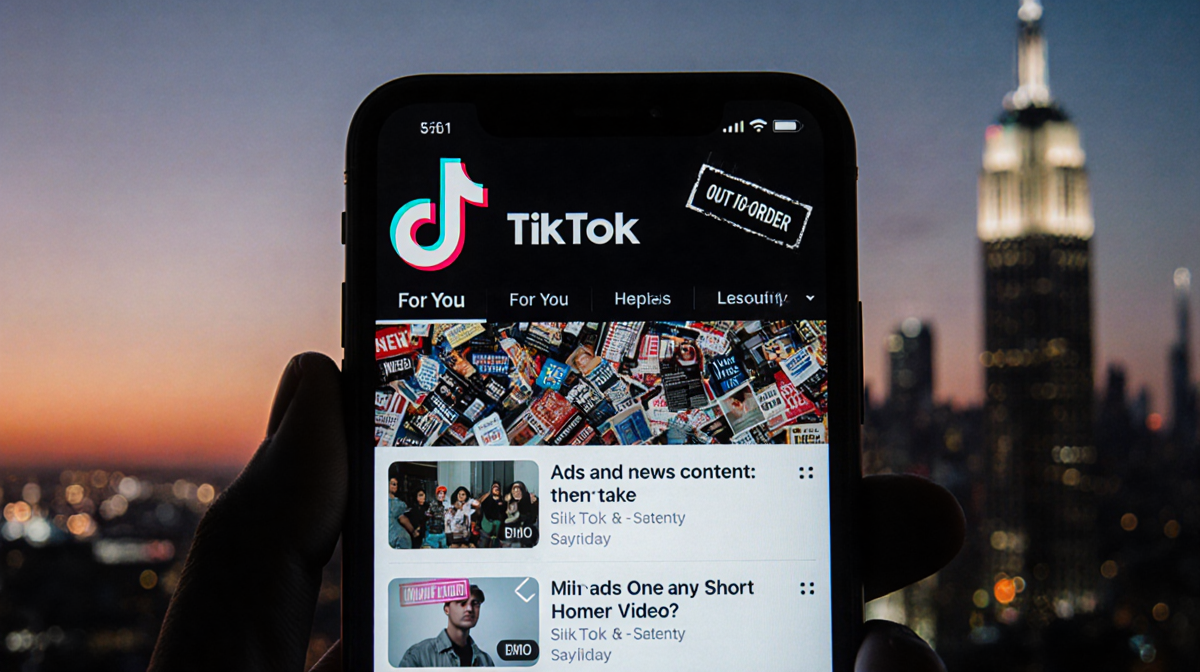
- Users report a flood of undisclosed ads, loss of news content, and a drastically different feed.
- Sensor Tower data shows a 150% spike in app removals after the takeover.
- Why it matters: The change reshapes how Americans consume short-form video content and raises privacy and censorship concerns.
The decision to delete TikTok from my phone felt like a major life choice. For six years, the app was a companion that filled my free time and offered a mix of humor, community, and viral moments. But the U.S. takeover, announced in early January 2026, turned the platform into a version that felt “useless” overnight. What followed was a cascade of algorithmic changes, privacy policy tweaks, and a sudden shift in content quality.
The New Ownership Structure
In January 2026, U.S. regulators approved a joint-venture called TikTok USDS Joint Venture LLC. The venture was created to address concerns about Chinese parent company ByteDance accessing U.S. user data. The new entity claims it will:
- Secure U.S. user data
- Protect the algorithm through comprehensive data privacy and cybersecurity measures
- Operate under U.S. law, independent of ByteDance’s influence
The deal was backed by former U.S. President Donald Trump’s approval of the investors, sparking speculation that political bias could influence content moderation.
Immediate User Experience Changes
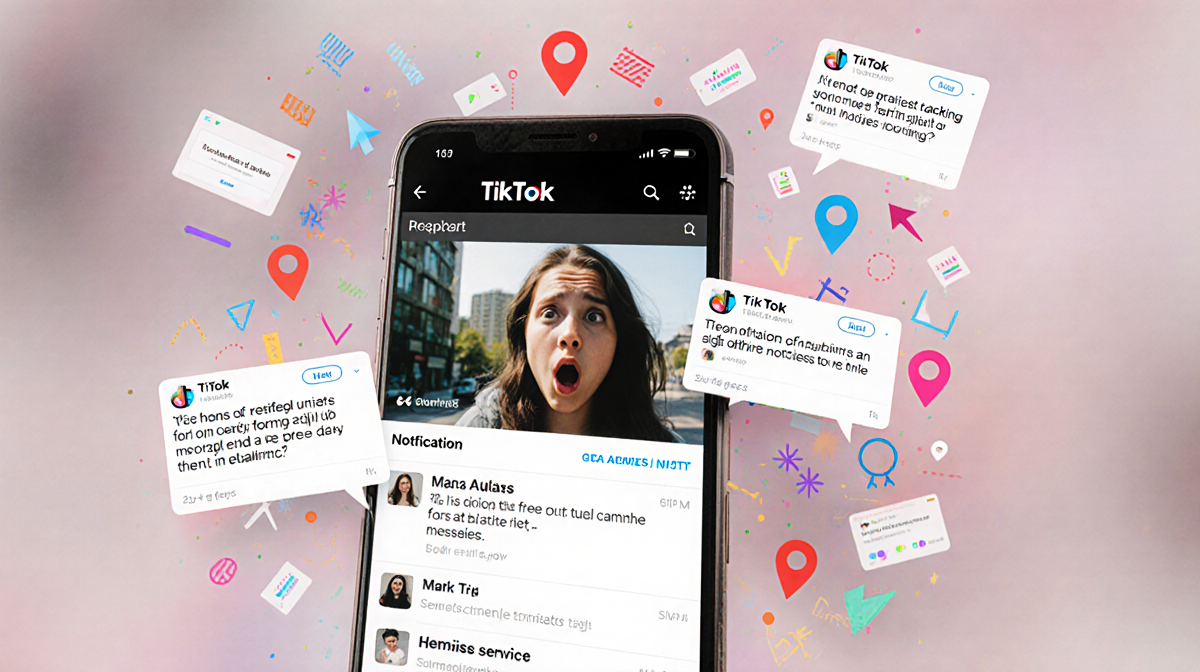
Within days of the ownership shift, users received an updated terms-of-service notice. The privacy policy was largely unchanged, except for a more precise location-data tracking clause that could be opted out of. The real shock came from the app’s altered feed:
- For You pages no longer felt tailored; videos seemed random and irrelevant.
- Paid promotions appeared without labeling, often for products the user did not want.
- Trending political content, especially anti-ICE protest videos, vanished.
- Users reported slower load times and time-out errors.
A common complaint was that every second scroll was an ad or an undisclosed ad. One user, Jam Jam (@jamie_reuland), posted on January 27, 2026: “Every two scrolls is either an ad or an undisclosed ad.”
Another user, Jules Suzdaltsev (@jules_su), noted on January 26, 2026 that the new algorithm produced “ZERO news or politics content, not one word about anything going on at all, not even the weather.”
These changes suggest the platform retrained its algorithm based on U.S. user data, losing the “secret sauce” that made TikTok addictive.
Political Repercussions
The shift raised immediate political concerns. California Governor Gavin Newsom announced on X a review into whether TikTok was censoring Trump-critical content. The new ownership’s promise of “comprehensive data privacy and cybersecurity measures” was met with skepticism, as the political climate intensified calls for greater oversight.
TikTok’s response to user complaints was brief. In a Monday statement, it attributed performance issues to a “power outage at a U.S. data center” and denied censorship allegations. The statement did not address the sudden disappearance of political content.
Sensor Tower Data and App Removal Surge
According to Sensor Tower data reported by CNBC, the number of TikTok removals increased by 150% following the joint-venture announcement. The spike indicates a significant portion of users abandoned the app in reaction to the new ownership and altered experience.
| Date | Event | Impact |
|---|---|---|
| January 26, 2026 | TikTok announces power outage at data center | Users report slower load times and missing content |
| January 27, 2026 | Users note increased ads and lack of political content | Surge in app removals (~150%) |
| January 28, 2026 | Governor Newsom calls for review | Heightened political scrutiny |
Personal Reflections
For me, the most noticeable change was the loss of authenticity that once defined TikTok. The platform had been a refuge during the pandemic, a place where I could laugh, learn, and feel seen. After the takeover, the algorithm seemed to prioritize sponsored content and generic trends, erasing the niche communities that had made the app special.
I deleted the app and shared the decision on Instagram stories. The response was immediate: dozens of friends replied that they had also removed TikTok. The collective sentiment was that the app had become a “time-sucking” force that no longer served its original purpose.
I now have more free time to read, walk, and even write, which feels productive compared to scrolling endlessly. While I might end up on YouTube instead, the experience is different-less algorithmically driven and more intentional.
Key Takeaways
- The U.S. takeover of TikTok introduced a new joint-venture aimed at safeguarding user data.
- Users reported a drastic shift in feed content, increased undisclosed ads, and loss of political videos.
- Sensor Tower data shows a 150% rise in app removals, reflecting widespread dissatisfaction.
- Political leaders, including Governor Newsom, are scrutinizing the platform for potential censorship.
- The change highlights the delicate balance between data privacy, content moderation, and user experience in social media.