At a Glance
- President Donald Trump expands travel ban to 12 countries, adding 7 additional countries with partial restrictions.
- Mali and Burkina Faso announce reciprocal bans on US citizens.
- The bans stem from security concerns and the principle of reciprocity.
- Why it matters: The new restrictions deepen tensions between the US and West African military governments and affect travel plans for citizens of the involved nations.
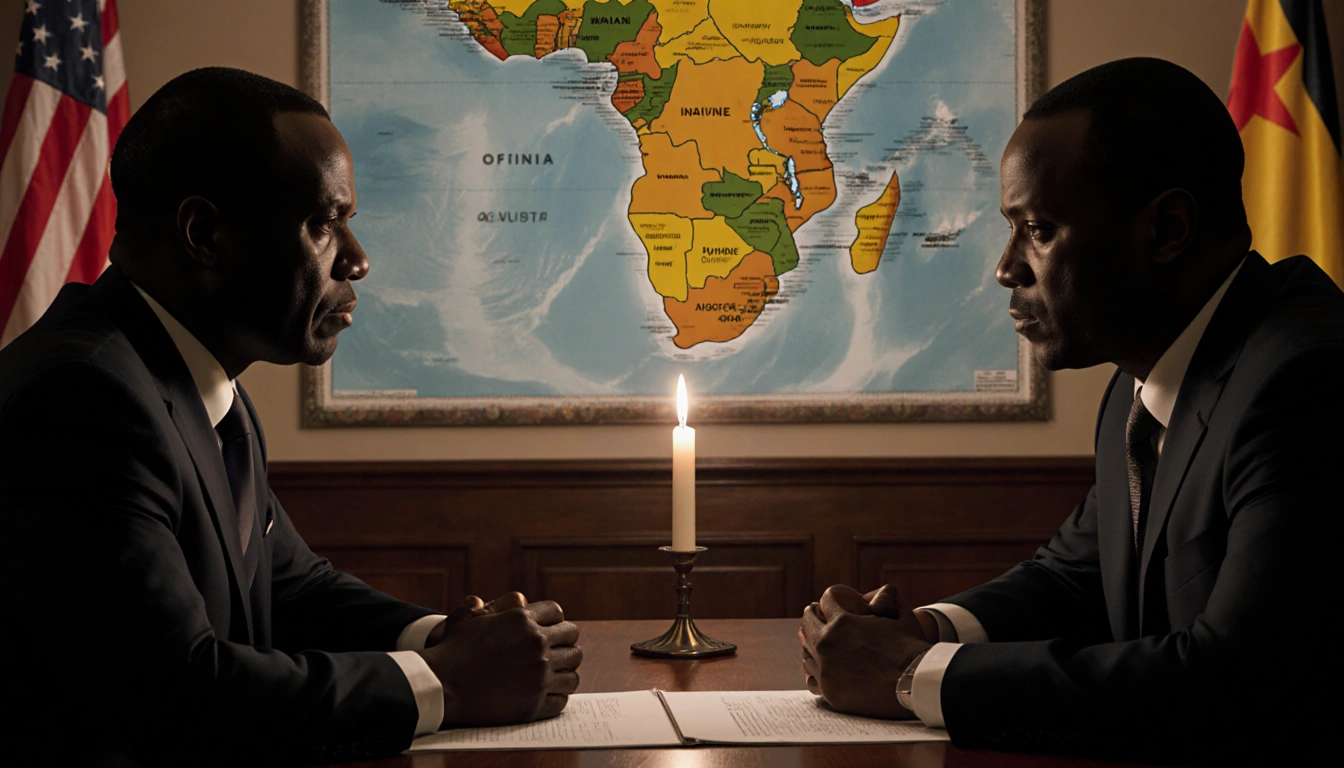
On December 16, President Donald Trump signed a travel ban that now covers 12 countries, with 7 additional countries receiving partial restrictions. The expansion includes Mali, Burkina Faso, and Niger, all governed by juntas that have formed a breakaway association from ECOWAS. These changes are part of a broader strategy to limit entry from nations deemed to pose security risks.
US Travel Ban Expansion
The ban covers 12 countries and imposes partial restrictions on 7 additional countries. The new list includes Mali, Burkina Faso, and Niger. The expansion follows earlier travel restrictions that the US had applied to other nations.
Mali and Burkina Faso Respond
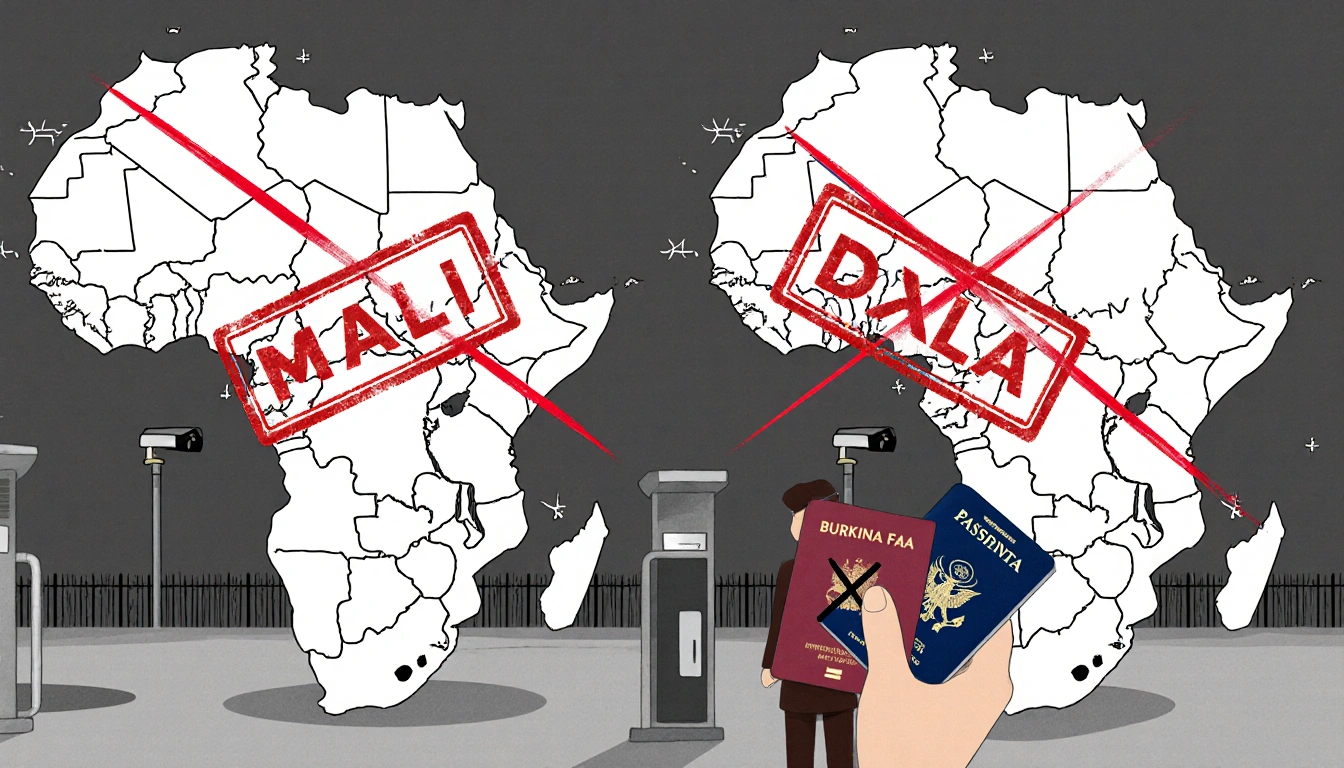
Mali and Burkina Faso announced late Tuesday that they would ban US citizens from entering their countries in retaliation for the US ban. The foreign ministers issued separate statements citing reciprocity and security concerns. These moves highlight the strained relationship between the US and the West African juntas.
Malian Ministry of Foreign Affairs stated:
> “In accordance with the principle of reciprocity, the Ministry of Foreign Affairs and International Cooperation informs the national and international community that, with immediate effect, the Government of the Republic of Mali will apply the same conditions and requirements to US nationals as those imposed on Malian citizens.”
The Malian Ministry said it would apply the same conditions to US nationals as to Malian citizens. This reflects the principle of reciprocity cited in the statement.
Burkina Faso’s Minister of Foreign Affairs Karamoko Jean-Marie Traoré said the ban was justified on similar grounds. The statement echoed Mali’s emphasis on reciprocity.
Context and Rationale
The White House cited persistent attacks by armed groups as one of the reasons for the travel ban. These attacks have intensified in the region.
Mali and Burkina Faso have struggled to contain armed groups that have spread rapidly in both countries. The juntas vowed to fight these groups after deposing civilian governments over the insecurity that has roiled the region.
Implications for 2026 FIFA World Cup
Transportation Secretary Sean Duffy said the U.S. is ready for soccer fans to travel between host cities during the 2026 FIFA World Cup. This statement underscores the U.S.’s broader travel policy while maintaining sports diplomacy.
| Event | Date |
|---|---|
| US expands travel ban to 12 countries | December 16 |
| Mali announces reciprocal ban | Late Tuesday |
| Burkina Faso announces reciprocal ban | Late Tuesday |
Key Takeaways
- The US travel ban now covers 12 countries and imposes partial restrictions on 7 additional countries.
- Mali and Burkina Faso have responded with reciprocal bans on US citizens.
- The move highlights ongoing security concerns and the principle of reciprocity between the US and West African juntas.