At a Glance
- OpenAI is unifying teams to overhaul audio models for a new device line.
- The new voice can handle interruptions and speak while you talk.
- The launch is targeted for early 2026.
- Why it matters: Audio is becoming the primary interface for devices, shifting focus from screens.
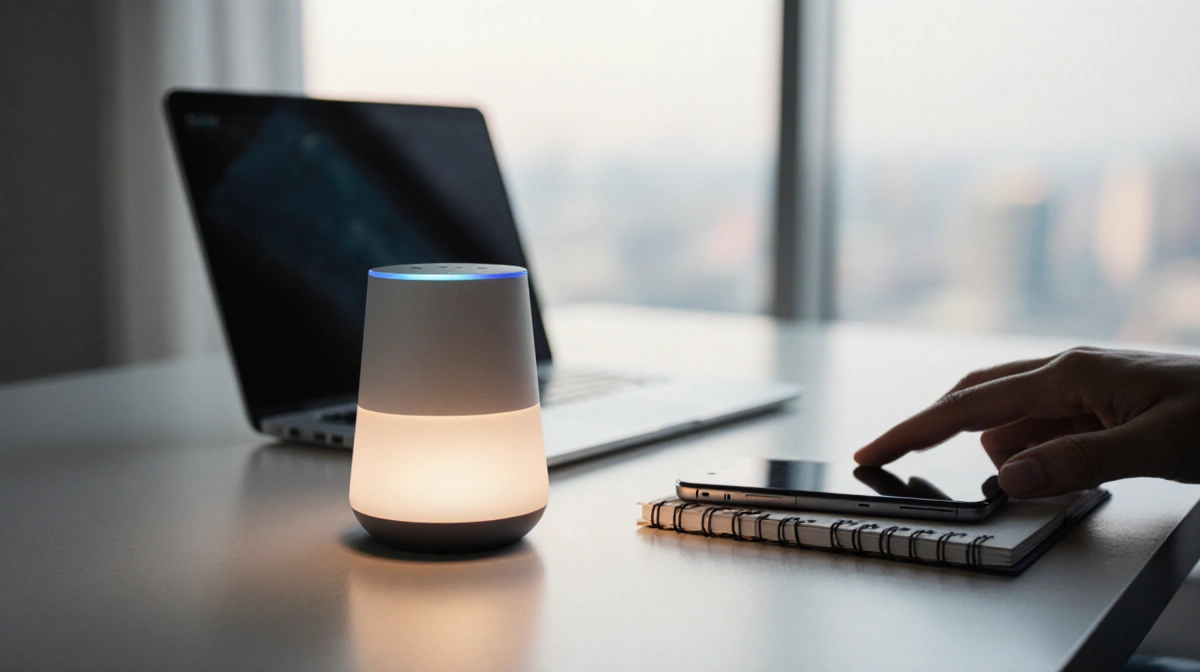
OpenAI is pivoting to audio-centric technology, aligning with a broader industry trend that sees voice as the next front-end. By consolidating engineering, product, and research units, the company is preparing a new audio model and a suite of devices that could launch in early 2026.
Audio-First Shift Across the Tech Landscape
The move mirrors a wave of audio innovations: smart speakers are already in a third of U.S. homes, Meta’s Ray-Bans use a five-microphone array for directional listening, Google launched “Audio Overviews” in June, and Tesla is embedding LLMs into cars for conversational controls.
- Meta Ray-Bans: 5-mic directional listening
- Google “Audio Overviews”: conversational search summaries
- Tesla voice assistants: navigation and climate control via dialogue
OpenAI’s New Audio Model
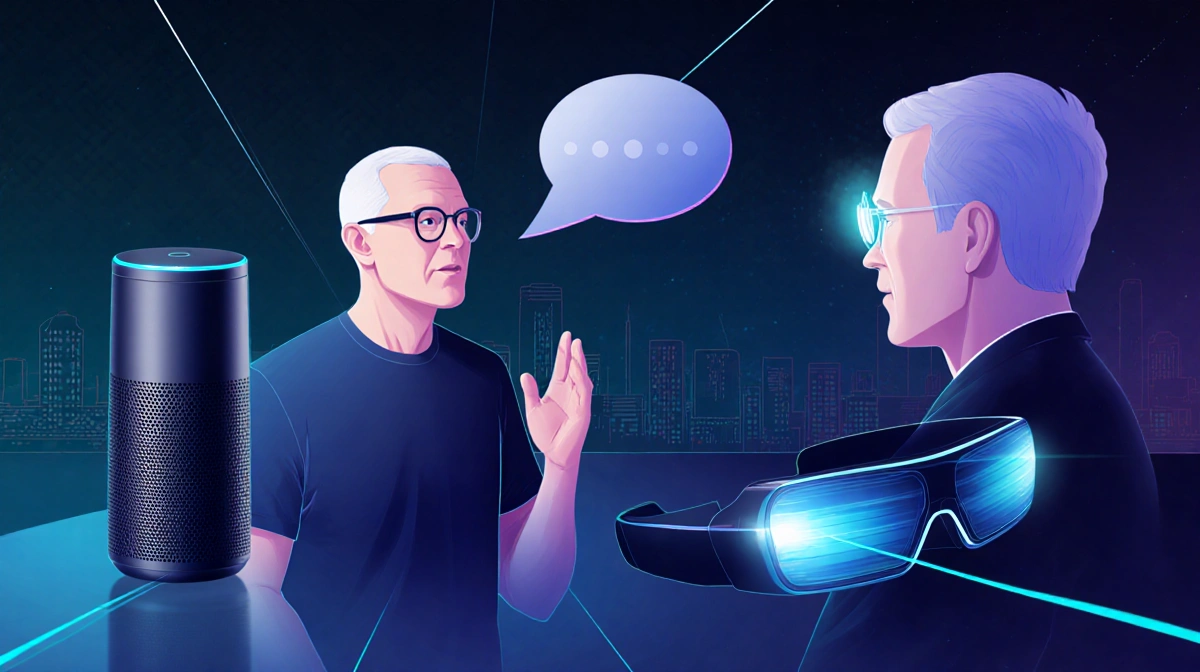
The upcoming model, slated for early 2026, will sound more natural, respond to interruptions like a real conversation partner, and even speak while you talk-something current models cannot do. The company envisions a family of devices, from glasses to screenless smart speakers, that act more like companions than tools. Jony Ive, who joined OpenAI’s hardware efforts after its $6.5 billion acquisition of his firm io, emphasizes reducing device addiction through audio-first design.
Key Takeaways
- OpenAI is targeting an early 2026 launch with a new, interruption-resistant audio model.
- Industry peers-Meta, Google, Tesla-are rapidly expanding audio capabilities across homes, wearables, and vehicles.
- Audio-centric devices promise a shift from screen-based interfaces to hands-free, conversational interactions.
OpenAI’s push signals a broader move toward audio as the primary user interface, potentially reshaping how we interact with technology in everyday life.