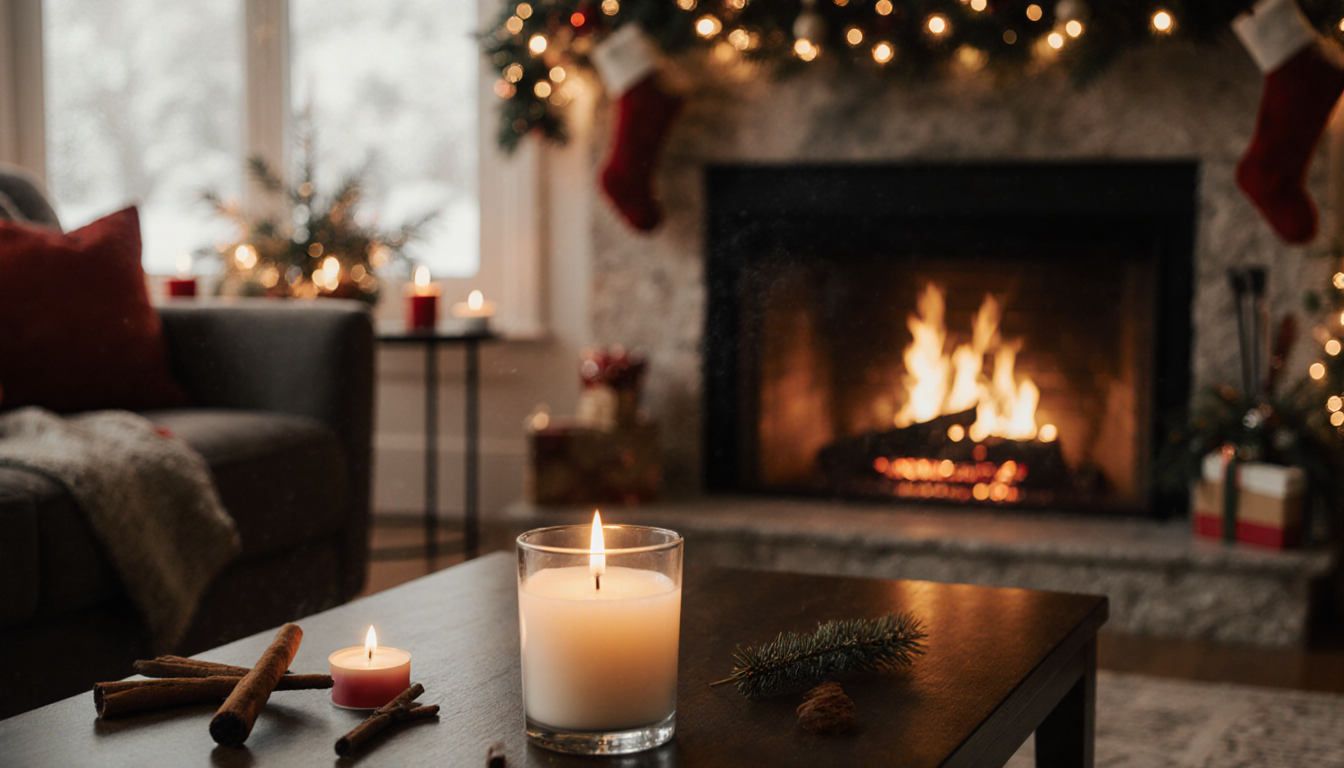
A familiar holiday scent can warm a room, but it can also warm the air with chemicals that may irritate lungs and trigger allergies. As people light scented candles, incense, and fire up wood‑burning fireplaces, experts say the indoor air quality can suffer, especially during the colder months when families spend more time indoors.
Indoor Scents and Health Risks
The American Lung Association notes that indoor air can be more polluted than outdoor air because pollutants become trapped without proper ventilation or filtration. Active fireplaces and gas appliances release tiny airborne particles that can reach the lungs and emit chemicals such as nitrogen dioxide, a major component of smog, according to the U.S. Environmental Protection Agency. Cleaning products, air fresheners and scented candles also emit varying concentrations of air pollutants.
“Clean air is fragrance free,” said McCormack, who has studied air quality and lung health for more than 20 years. She added that “the more risk factors you have, the more harmful air pollution or poor air quality indoors can be.” McCormack also cautioned that “small improvements in air quality can have measurable health benefits.”
Who Is Most Vulnerable?
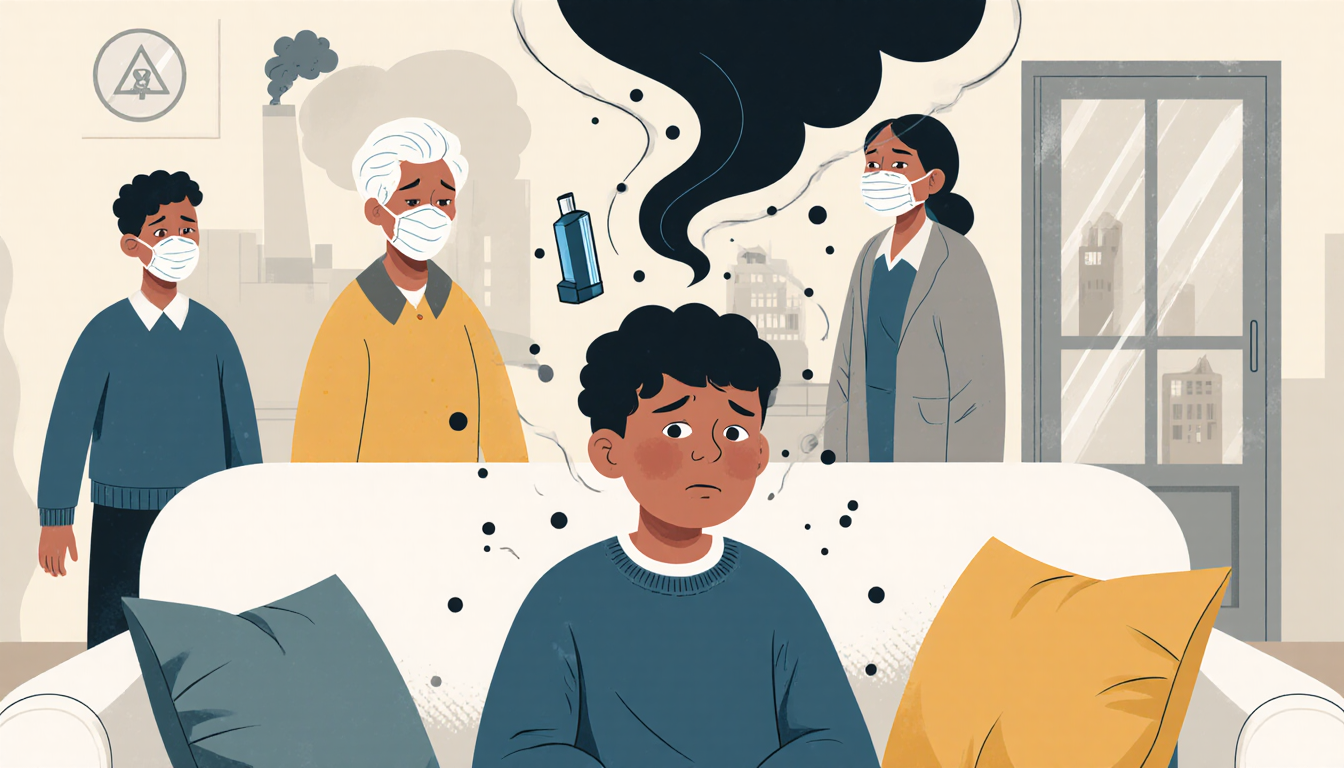
Children, older adults, minority populations and people of low socioeconomic status are more likely to be affected by poor indoor air quality because of physiological vulnerabilities or higher exposure. Children’s smaller lung size means they receive a greater dose of pollutants relative to body size, McCormack explained. People with heart or lung conditions, including asthma, are also at higher risk.
Signs of respiratory irritation include coughing, shortness of breath, headaches, a runny nose and sneezing. McCormack advises stopping the use of pollutant‑releasing products or ventilating rooms immediately if symptoms appear.
Practical Precautions
Ellen Wilkowe, a New Jersey resident, uses scented candles with vanilla and cinnamon during yoga, writing, and showering. Her teenage daughter prefers seasonal scents such as gingerbread. Wilkowe prefers soy‑based waxes over petroleum‑based paraffin, but McCormack notes that all lit candles emit air pollutants regardless of composition.
To reduce exposure, McCormack recommends:
- Buying products with fewer ingredients
- Opening windows when temperatures allow
- Using air purifiers with HEPA filters
- Turning on kitchen exhaust fans before starting a gas‑powered stovetop and using the back burners so the vent can more easily remove pollutants
- Setting polite boundaries with guests who smoke cigarettes or other tobacco products
“Small improvements in air quality can have measurable health benefits,” McCormack reiterated, drawing a parallel to exercise and nutrition.
Unseen Threats
The risk of fragrances and other air pollutants depends on source, duration, intensity, and individual health. Some pollutants have no smell, so unscented products can still affect indoor air quality, experts say.
Rachael Lewis‑Abbott, a member of the Indoor Air Quality Association, added that people usually do not notice what they are breathing in until problems like gas leaks or mold develop. “It is out of sight, out of mind,” she said.
Key Takeaways
- Indoor air can be more polluted than outdoor air, especially during holiday gatherings.
- Fireplaces, gas appliances, cleaning products, air fresheners and scented candles release pollutants that can irritate the lungs.
- Children, older adults, minorities and low‑income households are particularly vulnerable.
- Simple actions—ventilation, HEPA filtration, and mindful use of scented products—can improve indoor air quality.
The holiday season offers a chance to celebrate with familiar aromas, but by following these precautions, families can keep their indoor environments healthier and safer for everyone.