At a Glance
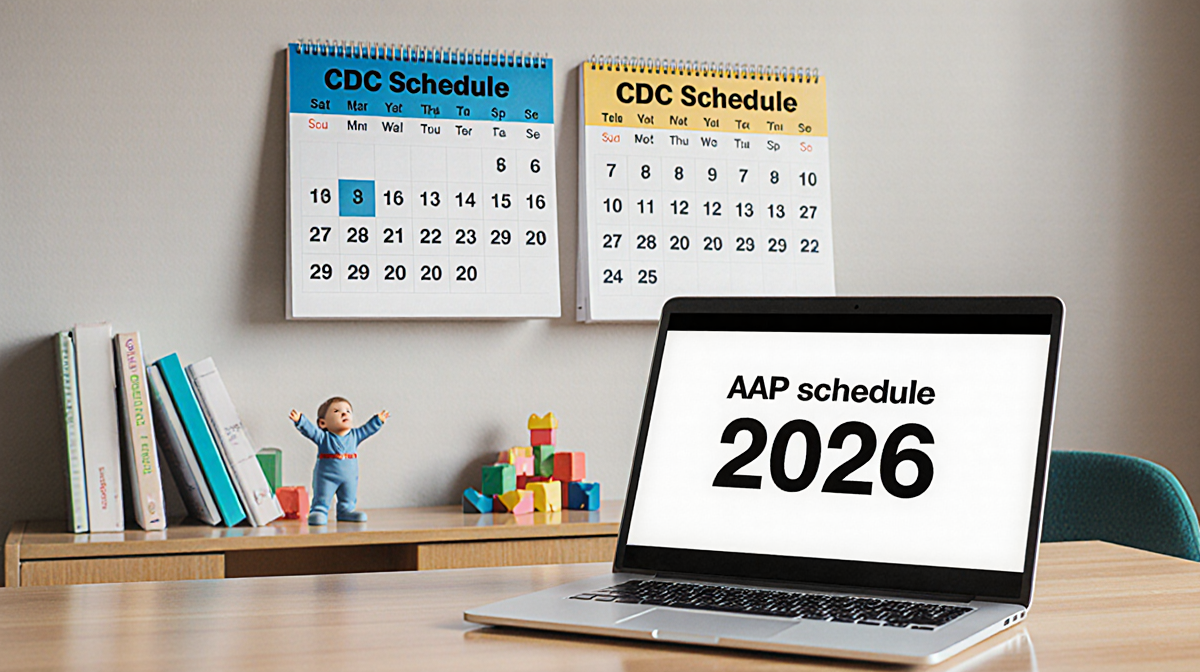
- The American Academy of Pediatrics (AAP) released its 2026 childhood and adolescent immunization schedule, keeping 18 routine vaccines.
- The CDC’s new schedule removes RSV, hepatitis A, hepatitis B, rotavirus, influenza, and meningococcal vaccines for most children.
- The AAP’s schedule is endorsed by 12 major medical organizations.
- Why it matters: Parents and schools rely on these guidelines to protect children and meet insurance and school requirements.
The American Academy of Pediatrics has issued its updated childhood and adolescent immunization schedule for 2026, largely keeping the previous recommendations that differ sharply from the recent changes made by the Centers for Disease Control and Prevention.
Updated Schedule vs. CDC Overhaul
In early January, the CDC announced a sweeping revision that would recommend fewer shots for all children. Among the vaccines no longer recommended by the CDC are RSV, hepatitis A, hepatitis B, rotavirus, influenza and meningococcal disease. The agency also stated that vaccines such as the flu shot and COVID-19 should be decided on a case-by-case basis, a process it calls “shared clinical decision-making.”
AAP’s 2026 Schedule
The AAP’s 2026 vaccine schedule continues to recommend routine immunizations for 18 different diseases, including those removed from the CDC’s plan. The schedule lists:
- Measles, mumps, rubella (MMR)
- Polio
- Pertussis, tetanus, diphtheria
- Haemophilus influenzae type B (Hib)
- Pneumococcal disease
- Human papillomavirus (HPV)
- Chickenpox
- Rotavirus (still recommended by AAP)
- Influenza (still recommended by AAP)
- RSV (still recommended by AAP)
- Hepatitis A and B (still recommended by AAP)
- Meningococcal disease (still recommended by AAP)
The AAP’s stance is summarized in a policy statement published in the journal Pediatrics:
> “At this time, the AAP no longer endorses the recommended childhood and adolescent immunization schedule from the Centers for Disease Control and Prevention,” said Dr. Sean O’Leary, chair of the AAP’s Committee on Infectious Diseases.
Expert Commentary
Dr. Diego Hijano, a pediatric infectious disease expert from St. Jude Children’s Research Hospital, explained how the MMR vaccine protects children from measles:
> “The MMR vaccine is one of the most effective tools we have to prevent measles outbreaks,” said Dr. Hijano.
Dr. O’Leary warned that the CDC changes could lead to higher rates of preventable illness and death:
> “We are concerned that the U.S. will no longer recommend the flu vaccine for children, especially as the flu season becomes more severe,” he said.
Institutional Support
The AAP’s recommendations are endorsed by 12 major medical and health-care organizations, including the American Academy of Family Physicians, the American College of Obstetrics and Gynecology, and the American Medical Association.
Government and Policy Context
The U.S. Department of Health and Human Services (HHS) said the overhaul was a response to a request from President Donald Trump in December. Trump asked the agency to review how peer nations approach vaccine recommendations and consider revising U.S. guidance accordingly.
HHS compared the U.S. to 20 peer nations and found that the U.S. was an “outlier” in both the number of vaccinations and the number of doses recommended for all children. Officials framed the change as a way to increase public trust by recommending only the most essential vaccinations for children.
State and Insurance Implications
The childhood vaccine schedule is a set of recommendations, not a mandate. However, it guides what vaccines are covered by insurance and are required for daycare and public school attendance. Health insurers generally view vaccinations as cost-saving, noting that shots are cheaper than hospitalizations.
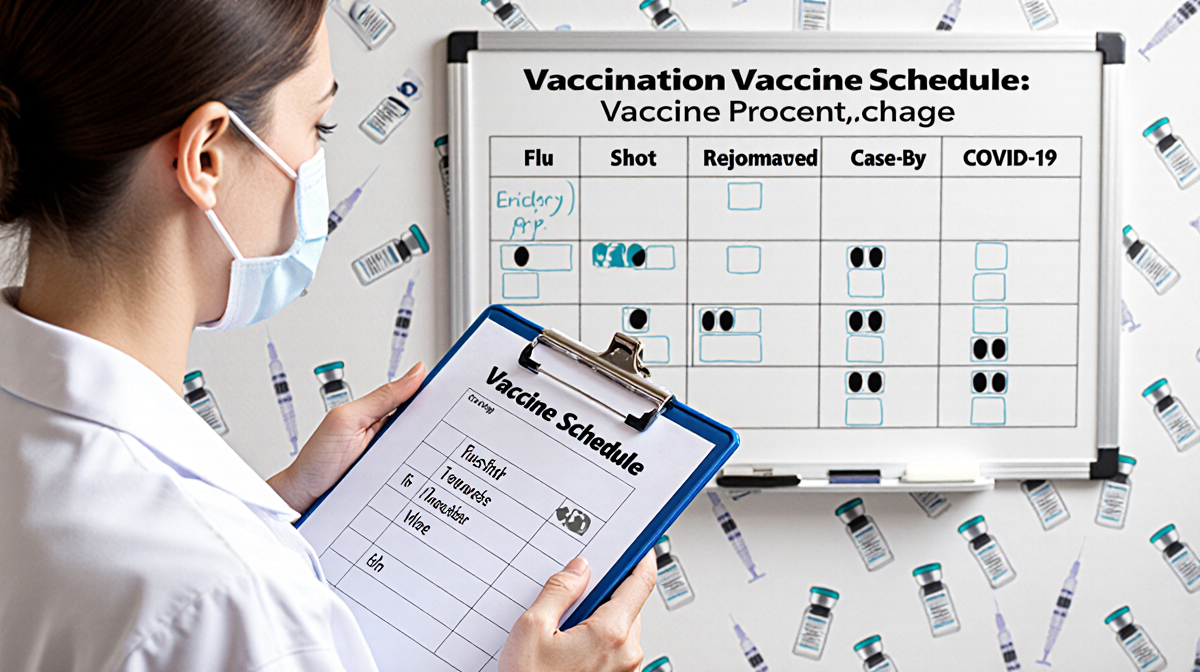
States historically rely on the CDC schedule to determine school-required vaccines, but some have begun forming their own alliances to counter the Trump administration’s guidance.
Key Takeaways
- The AAP’s 2026 schedule maintains 18 routine vaccines, including those removed by the CDC.
- The CDC’s new plan eliminates RSV, hepatitis A and B, rotavirus, influenza, and meningococcal vaccines for most children.
- The AAP’s recommendations are supported by 12 leading medical organizations.
- HHS’s comparison to 20 peer nations prompted the CDC overhaul in response to a presidential request.
- Parents, insurers, and schools will need to navigate differing schedules when deciding on immunizations.
The Associated Press contributed to this report.