At a Glance
- Acupressure mat offers quick relief for muscle tension and stress.
- Users report calmness after 15-30 minutes of use.
- Experts note it’s a general tool, not a substitute for professional acupuncture.
- Why it matters: It gives an inexpensive, at-home option to support circulation and relaxation.
Acupressure mats have become a popular wellness trend, especially after celebrities like Taylor Swift mentioned them on tour. The mats are simple foam sheets covered with thousands of plastic nodes that stimulate the skin’s surface. While the product isn’t a replacement for licensed acupuncture, many users find it helpful for easing tight muscles and calming the nervous system.
How to Use an Acupressure Mat
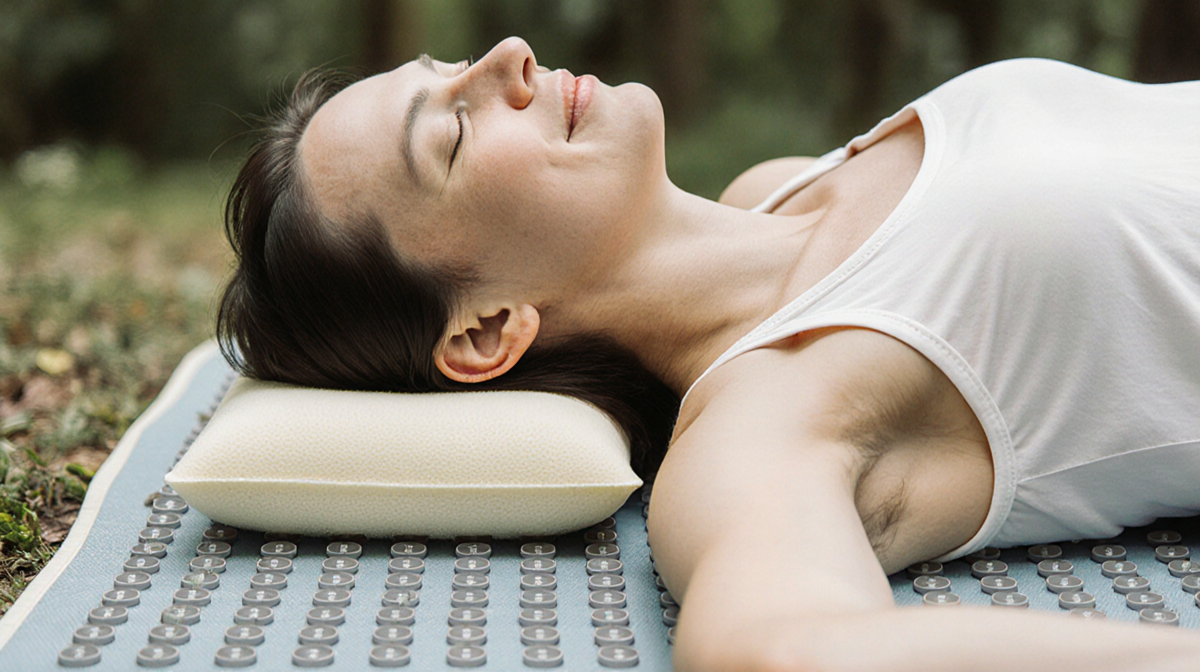
The design of the mat and its accompanying pillow is straightforward. A foam core is covered in fabric, and plastic circles protrude to create sharp nodes. Place the mat on a flat, non-slip surface-many people use a yoga mat for extra grip. Lie down or sit on the mat, either bare-skinned or in light clothing.
- Start with 15 minutes for beginners.
- Focus on breathing; avoid holding your breath.
- If you feel discomfort, especially near the pillow’s edge, let the pressure subside before continuing.
- After the session, you may feel relaxed and notice reduced muscle tension.
Users typically begin with the back, where tension is most common, and then move to hips, glutes, or feet. The mat’s effectiveness tends to improve as the initial discomfort fades.
Benefits Reported by Users
After two months of testing a $28 Gaiam acupressure mat and pillow set, the reviewer noted:
- Less muscle tension and improved circulation.
- Stress relief and a deeper sense of sleep.
- A balanced nervous system and release of endorphins.
- A grounding daily ritual that helps return to center.
Dr. Jenelle Kim, a doctor of acupuncture and Chinese medicine, highlights that the mat stimulates hundreds of tiny points aligned with the body’s meridian pathways. This can encourage the flow of qi, ease tight muscles, soften fascia, and guide the body into a restorative state.
Expert Opinions on Effectiveness
Acupressure vs. Acupuncture
Acupuncture involves inserting needles at specific points along meridians and must be performed by a licensed professional. Acupressure, on the other hand, applies pressure with fingers or tools. The mat offers a general, broad stimulation and is best suited for daily self-care.
Tsao-Lin Moy, a licensed acupuncturist and herbalist, explains that the plastic tips trigger a somatosensory response, activating nociceptors that release endorphins. However, she notes the mat does not target specific points and therefore may not be as effective as professional treatment.
Practical Takeaways
- The mat is inexpensive and portable, making it accessible for many.
- It is suitable for individuals aged 13 and above.
- It should not be used by people with open wounds, severe back injuries, or significant sensory loss.
- Children are not recommended for use.
Risks and Precautions
The prickly surface can cause skin abrasions, especially if shared or used on bare skin. Proper cleaning is essential: use mild soap, a damp towel, dry thoroughly, and store in a cool, dry place away from heat or sunlight.
People with certain conditions should consult a doctor before use:
- Sensitive skin
- Varicose veins
- Bleeding disorders
- Pregnancy
- Those on blood thinners
Avoid use if you have:
- Open wounds or skin infections
- Severe back injuries
- Active inflammation or infection
If dizziness or shortness of breath occurs, stop immediately and rest.
How Often Should You Use It?
Moy suggests starting with 10 minutes and gradually increasing to 20-30 minutes. Using it every other day is generally safe. Evening sessions are especially effective for calming the nervous system and preparing the body for sleep.
Bottom Line
The acupressure mat offers a convenient, low-cost way to reduce muscle tension and promote relaxation. While it can’t replace targeted acupuncture for specific health concerns, it provides a daily ritual that helps users soften their nervous system and reconnect with balance. Use it responsibly, keep realistic expectations, and seek professional care for persistent or severe issues.
Key Takeaways
- Acupressure mats are a quick, at-home tool for tension relief.
- They work by stimulating the skin’s surface and encouraging endorphin release.
- Proper use and cleaning are essential to avoid skin irritation.
- The product is best for general wellness, not for treating specific medical conditions.
—