
AI-Driven Scams Target Holiday Shoppers
As holiday shoppers scour the Internet for the best deals, scammers and hackers are using artificial intelligence to dupe them for their own gain. Cybersecurity experts warn the public to stay vigilant this holiday season as crooks turn to technology to trick shoppers into buying fake products or providing their financial information. Because online shopping is so popular, there isn’t a particular demographic being targeted, so everyone is at risk, experts say. The threat is broad, affecting anyone who shops online.
Cliff Steinhauer of the National Cybersecurity Alliance says, “They’re targeting anybody and everybody.” He adds that the criminals “don’t discriminate, and it’s literally targeted towards anyone who shops online.” Steinhauer notes that scammers “know that we’re looking for deals, they know we’re going to rush.” His comments highlight the indiscriminate nature of the attacks.
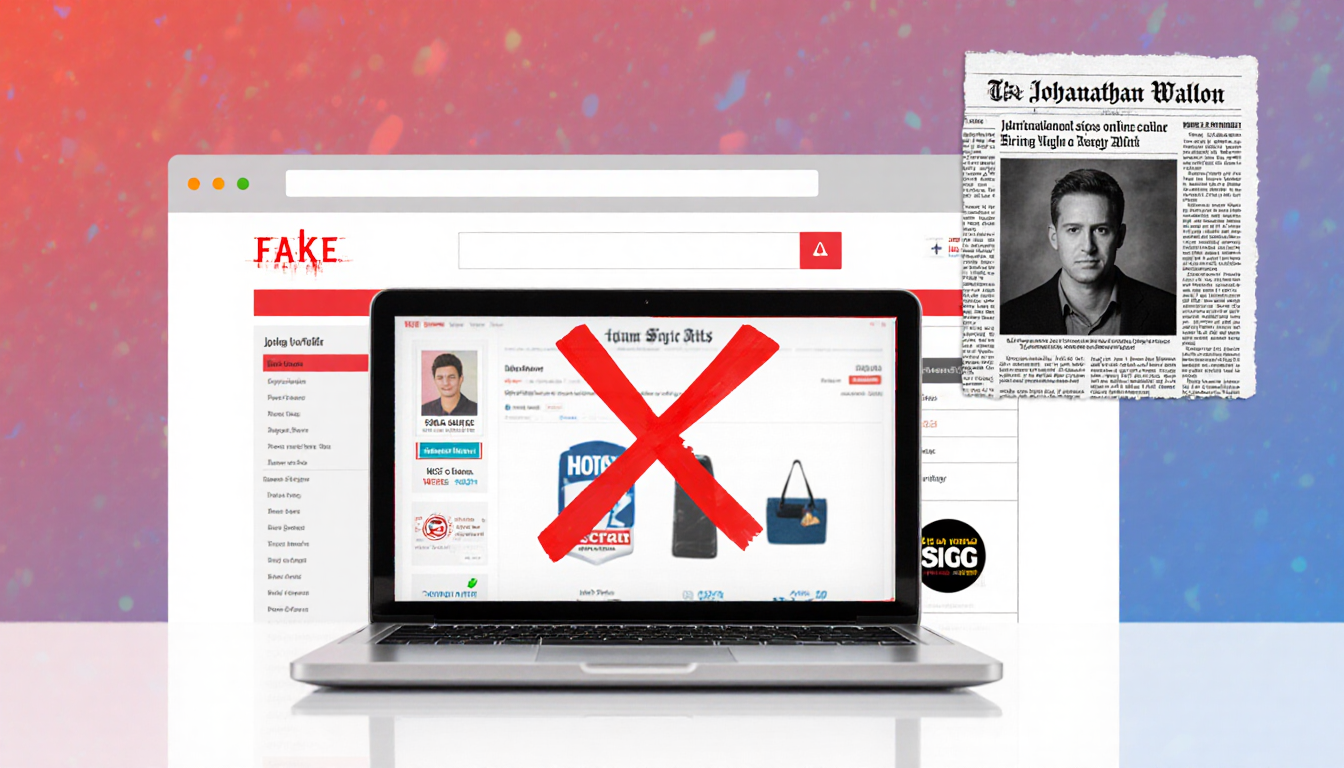
According to Steinhauer, these tech‑savvy criminals use AI to turn old tricks into stronger and better scams. He explains that they “will clone a popular shopping website or a popular brand and stand up all the same products, but usually at a really steep discount, or it could be a completely fake product.” The scammers then “take the payment information and kind of run off with the money.” This method lets them exploit consumers’ trust in familiar sites.
With the existence of technology, scammers are able to set up multiple predatory digital traps. That means when one of their phony sites gets flagged for removal, they’re still able to dupe other people since their other sites exist. The ability to pivot quickly makes it hard for law enforcement to keep up. Consumers must be extra cautious when encountering unfamiliar sites.
How Scammers Use AI to Mimic Legitimate Sites
California Live’s Jessica Vilchis sits down with TV producer turned author, Johnathan Walton to discuss advice from his book “Anatomy of a Con Artist!” Walton shares his own experience and explains how to spot the red flags of a scammer before they rip you off. He emphasizes the importance of vigilance and knowledge. Walton’s perspective comes from a career that blends media and real‑world deception. His book offers practical insights for everyday shoppers.
Steinhauer said these crooks use consumers’ own online algorithms against them by presenting things they’ve shown interest in via their search histories. They use this information to target different shoppers. The result is ads that appear in places where shoppers are most likely to click. This personalization increases the chances of a successful scam.
“Scammers buy ads, too,” he said. “They will actually place ads on social media and in paid search results, so your Google search results when you search for a product.” Those ads can also take you to malicious websites. This tactic makes it harder to distinguish legitimate offers from fraud.
Thankfully, there is some advice consumers can follow to avoid falling trap to one of these scams. Steinhauer offered the following advice to protect yourself from criminals. The guidance focuses on recognizing suspicious sites and protecting personal data. It also highlights the importance of using secure shopping practices.
The Role of Targeted Advertising
Avoid clicking social media advertisements. This reduces the risk of being redirected to a phishing site. Many scams rely on enticing visuals and urgent language. Staying away from unverified ads is a simple first step.
Purchase products directly from a retailer’s website, especially if it’s a reputable site. Reputable sites have security measures in place to protect payment information. They also provide customer support for disputes. Direct purchases reduce exposure to counterfeit or fake sites.
Use strong, unique passwords for each of your online accounts. Password managers can help you generate and store complex passwords. Reusing passwords across sites increases vulnerability. Unique passwords limit the damage if one account is compromised.
Turn on two‑step verification or multi‑factor authentication. This adds an extra layer of security beyond the password. Even if a password is stolen, the second factor can prevent unauthorized access. Most major retailers support MFA for added protection.
Red Flags and How to Spot Them
Keep your software updated so malware cannot install itself if you’re taken to a malicious website. Regular updates patch security holes that scammers exploit. Updated browsers also detect known phishing sites. Staying current is a simple but effective defense.
Walton’s book also includes anecdotes of consumers who fell victim to scams and the financial losses they incurred. He stresses that the first sign of a scam is often an unusually large discount. Walton advises readers to cross‑check product listings against official retailer sites. He also recommends reading customer reviews for authenticity.
MFA is not only for banking; many retailers now offer it for checkout. Enabling MFA can also help detect unauthorized login attempts. Some platforms send alerts when a new device is used. Users should review these alerts promptly.
The scale of these operations is difficult to quantify, but the sheer volume of fraudulent sites indicates a large network. Law enforcement agencies report that many of these sites are hosted in jurisdictions with weak cyber‑crime laws. The rapid turnover of domains makes it challenging to trace the perpetrators. Shoppers should report suspicious sites to their local authorities.
Protective Measures for Shoppers
The convergence of AI and online commerce creates a new threat landscape that demands constant vigilance. Consumers should treat every online transaction as a potential risk. By applying the safeguards mentioned, shoppers can significantly reduce the likelihood of falling prey to fraud. Awareness and caution are the best defenses this season.
Retailers and platforms also have a role to play in protecting customers. They can employ AI to detect suspicious activity and block malicious sites. Collaboration between businesses and law enforcement can help dismantle scam networks. Public awareness campaigns can further reduce victimization.
As the holiday season approaches, the risk of AI‑driven scams will likely increase. Staying informed, practicing secure shopping habits, and reporting suspicious activity are the best defenses. Consumers can enjoy the season without compromising their financial safety. The collective effort of shoppers, retailers, and authorities is key.
The key takeaway is that AI‑driven scams are targeting everyone who shops online, regardless of demographic. The second takeaway is that scammers replicate legitimate sites and use targeted ads to lure victims. The third takeaway is that consumers can protect themselves by avoiding suspicious ads, shopping on reputable sites, and using strong security practices.
By staying alert, following the expert advice, and maintaining secure online habits, shoppers can navigate the holiday market safely. The experts’ warnings underscore the need for vigilance and secure habits. Consumers can enjoy the season while protecting their financial safety. This proactive approach is the best defense against AI‑powered fraud.