At a Glance
- Alex Honnold scaled Taipei 101 without ropes for a Netflix broadcast.
- The climber received a mid-six-figure payment, estimated around $500,000.
- Honnold said the fee was modest compared to salaries in mainstream sports.
- Why it matters: The event highlights the growing intersection of extreme sports and streaming media, and offers insight into athlete compensation in niche disciplines.
Alex Honnold’s daring free-solo ascent of Taipei 101 on Netflix’s Skyscraper Live has captured headlines worldwide. While the climb itself drew millions of viewers, the financial details revealed that even the most celebrated climbers can earn less than the multimillion-dollar contracts seen in other sports.
The Record-Breaking Climb
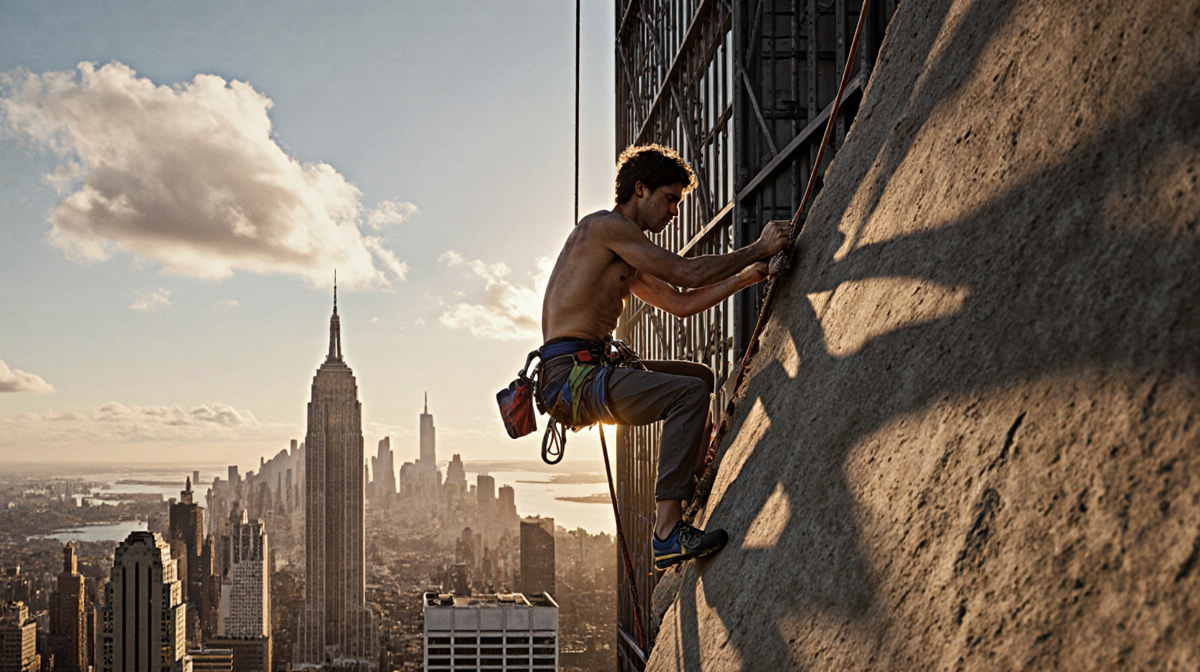
On a recent weekend, the 40-year-old climber, father of two, tackled the 1,700-foot Taipei 101 in just over an hour and a half. Honnold completed the route without ropes or harnesses, pausing briefly at the summit to take selfies before descending.
- Start time: Early afternoon, local Taipei time.
- Duration: Approximately 90 minutes.
- Route: Entire exterior of the skyscraper, from base to the very top of the spire.
- Safety measures: None-Honnold climbed solo, relying solely on his skill and experience.
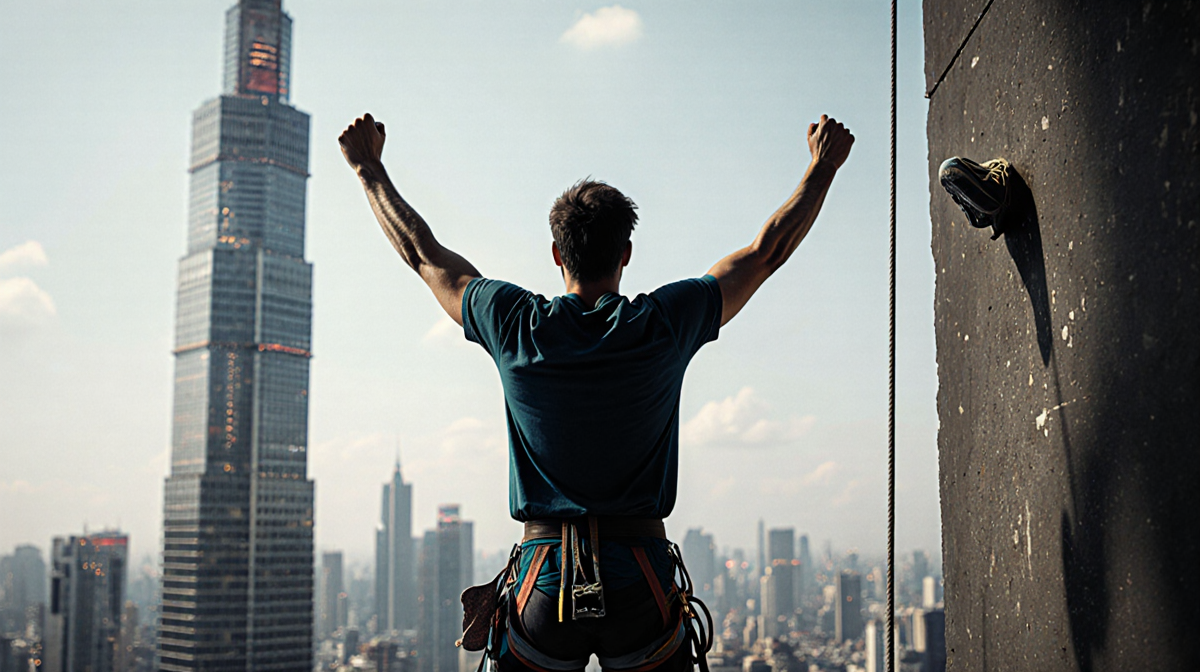
The climb was broadcast live, adding a layer of spectacle that Honnold described as the primary reason for the payment he received.
Paycheck Details
In interviews with The New York Times, Honnold disclosed that the compensation he received from Netflix was less than $10 million and that the figure was in the mid-six figures-about $500,000. Sources with direct knowledge confirmed the estimate.
> “I would do it for free,” Honnold said. “If there was no TV program and the building gave me permission to go do the thing, I would do the thing because I know I can, and it’d be amazing.”
Reps for Netflix and Honnold did not immediately respond to News Of Los Angeles‘s request for comment. The climber also noted that he would not receive the full amount if he had to abort the climb; he expressed indifference to the contractual details:
> “If I’m bailing for some reason, it’s because I need to bail, and then it doesn’t matter what a contract says.”
Honnold’s comments suggest that the money was more about covering the costs of the televised spectacle than compensating for the inherent risk of free-soloing a skyscraper.
Honnold’s Perspective
The climber has long viewed free-soloing a skyscraper as a lifelong dream. He mentioned that he had wanted to climb Taipei 101 for about a decade. When asked about the payment, Honnold compared it to earnings in mainstream sports:
> “If you put it in the context of mainstream sports, it’s an embarrassingly small amount. You know, Major League Baseball players get like $170 million contracts.”
He emphasized that the climb itself was the true reward:
> “I’m climbing the building for free.”
Honnold also reflected on the personal significance of standing alone at the top:
> “Just sitting by yourself on the very top of the spire is insane.”
These remarks illustrate the climber’s focus on the experience rather than the financial aspect.
After the Summit
Following the climb, Honnold described his plans for the evening:
- Take the elevator down.
- Meet his wife.
- Celebrate with a buffet dinner.
- Return home and resume climbing practice.
The buffet was described as “really nice,” and the climber expressed enthusiasm for the next day’s training.
Timeline of Events
| Date | Event |
|---|---|
| Weekend of the climb | Honnold begins the free-solo ascent of Taipei 101 on Netflix’s Skyscraper Live |
| Post-climb | Honnold takes selfies at the summit and descends via elevator |
| Evening | Celebration dinner with wife and plans to resume training |
Key Takeaways
- Mid-six-figure payment: Honnold earned around $500,000 for the climb, a modest sum compared to mainstream sports contracts.
- Free-solo motivation: The climber emphasized the personal fulfillment of the ascent over financial gain.
- Spectacle over risk: The primary purpose of the payment was to cover the live broadcast spectacle, not the inherent danger.
- Intersection of media and extreme sports: The event underscores how streaming platforms are creating new revenue streams for niche athletes.
The climb remains a landmark achievement in free-soloing history, and it provides a rare glimpse into how athletes in specialized sports are compensated in the age of global streaming.