Alex Pretti: A Tragic Incident in Minneapolis
Alex Pretti was a 37-year-old ICU nurse who was fatally shot by federal officers in Minneapolis on January 24. The incident has sparked intense public debate, with the family and community demanding a thorough investigation.
—
At a Glance
- Alex Pretti, a 37-year-old ICU nurse, was shot by federal officers on Jan. 24.
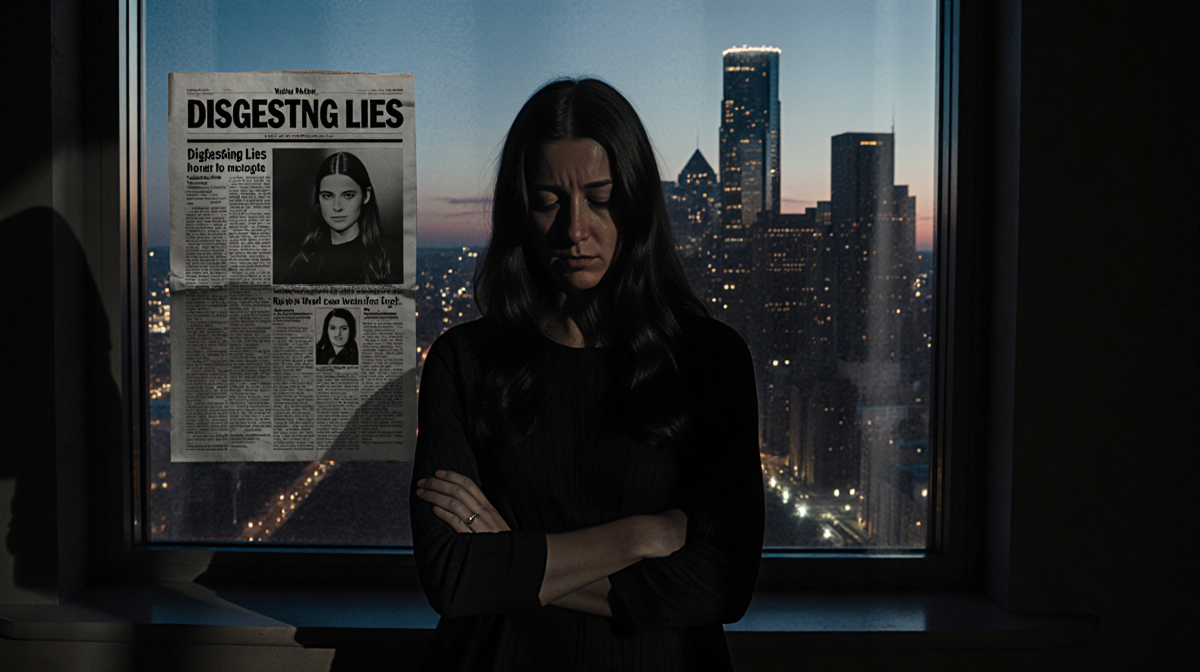
- His sister, Micahla Pretti, called him a hero and condemned misinformation.
- The Department of Homeland Security’s claim of a gun confrontation is contradicted by video footage and eyewitness testimony.
Why it matters: The case highlights tensions between federal law-enforcement actions and community expectations for transparency and accountability.
—
Introduction
On Jan. 24, Alex Pretti, an ICU nurse who had been working at the Veterans Administration, was shot by federal officers in Minneapolis. His sister, Micahla Pretti, issued a statement the following day calling him a hero and criticizing the spread of “disgusting lies.” The incident has sparked debate over the actions of U.S. Border Patrol and Customs and Border Protection officers and the accuracy of the Department of Homeland Security’s narrative.
—
Timeline of Events
| Date | Event |
|---|---|
| Jan. 24 | Alex Pretti shot by federal officers in Minneapolis. |
| Jan. 24 | DHS releases statement on X claiming gun confrontation. |
| Jan. 25 | Video evidence released by The New York Times. |
| Jan. 26 | Micahla Pretti releases statement calling him a hero. |
| Jan. 26 | Parents release statement condemning misinformation. |
—
Background on Alex Pretti
Alex Pretti was a 37-year-old ICU nurse whose work at the Veterans Administration had a profound impact on patients and staff. He was described by his sister as a person who “touched more lives than he probably ever realized.” In interviews, Micahla said, “All Alex ever wanted was to help someone – anyone.” Alex’s dedication to caring for veterans and his willingness to assist others were highlighted by colleagues and family members.
—
Family Response
Micahla Pretti said, “All Alex ever wanted was to help someone – anyone,” adding that even in his last moments he was trying to help. She called the rumors “gut-wrenching” and asked, “When does this end? How many more innocent lives must be lost before we say enough?” The Pretti family also released a statement saying, “We are heartbroken but also very angry.” They described Alex as a “kindhearted soul” who “wanted to make a difference in this world” and stated that “the sickening lies told about our son by the administration are reprehensible and disgusting.” The family emphasized that Alex was “clearly not holding a gun” when he was attacked and urged the public to “get the truth out about our son.”
—
Parents’ Statement
Alex’s parents, Michael and Susan Pretti, shared a similar message. They said, “We are heartbroken but also very angry.” They added that Alex was “a kindhearted soul” who “wanted to make a difference in this world.” The parents concluded, “Unfortunately, he will not be with us to see his impact,” and reiterated that the administration’s claims were “reprehensible and disgusting.” They urged the public to “please get the truth out about our son. He was a good man.”
—
Federal Statement
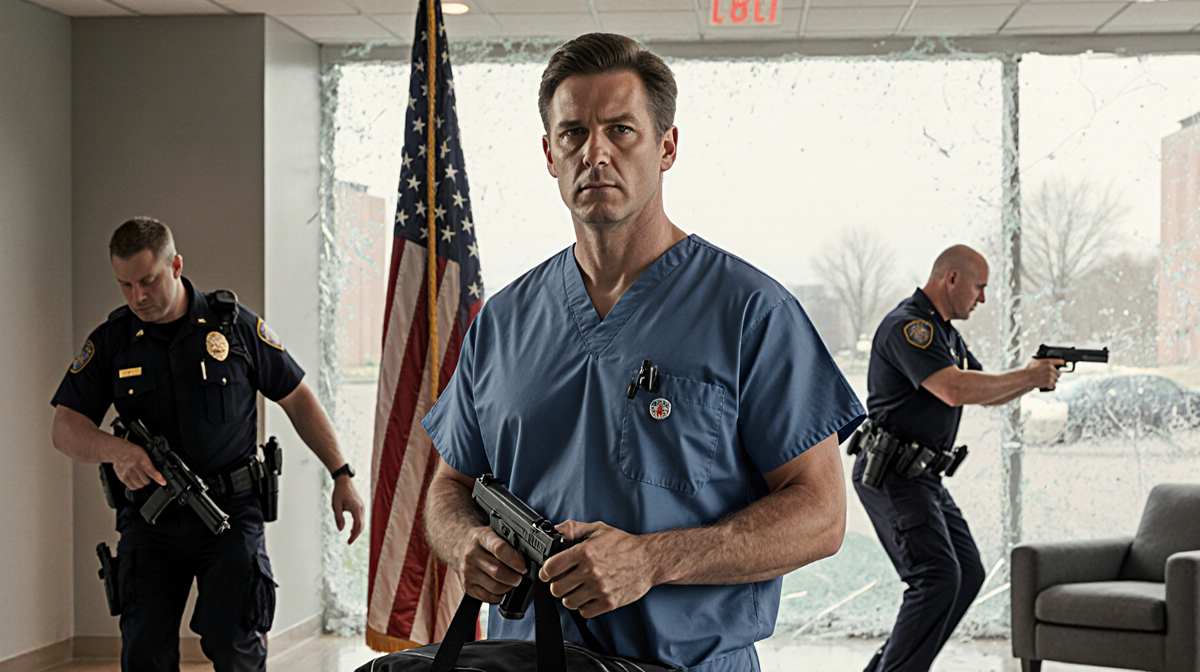
The Department of Homeland Security issued a statement on X following Pretti’s death. It claimed that an individual had “approached U.S. Border Patrol officers with a 9mm semi-automatic handgun” and “violently resisted” an attempt to disarm him. An agent then “fired defensive shots” at Pretti. Customs and Border Protection did not immediately respond when contacted for comment. The DHS narrative emphasizes a confrontation that led to the fatal shooting.
—
Summary of DHS Claim
- Individual approached Border Patrol officers with a 9mm handgun.
- Individual “violently resisted” an attempt to disarm.
- Agent fired defensive shots, killing Alex Pretti.
—
Video Evidence
Footage verified by The New York Times contradicts the DHS account. It shows Pretti standing among a group of protesters with both hands visible, holding his phone in one hand while an agent sprayed pepper spray at the group. Several agents then approached Pretti, who did not appear to be holding or pulling a weapon as he was pinned on the sidewalk. The video suggests that the officers were not engaging in a gun-fighting scenario. The footage also captures the officers’ use of pepper spray and their proximity to the victim.
—
Summary of Video Evidence
- Pretti’s hands were visible and not holding a weapon.
- Agent sprayed pepper spray while approaching.
- Victim was pinned on the sidewalk.
- No gun confrontation was shown.
—
Witness Accounts
Six witnesses have submitted affidavits detailing the shooting and medical care Pretti received. One witness, an unnamed 29-year-old licensed pediatrician, recalled attempting to offer medical care to Pretti, who was in “critical condition.” The doctor said the agents initially refused entry and “repeatedly asked” for a physician’s license. After a pat-down, the doctor was allowed to assess the victim.
The pediatrician observed that Pretti was lying on his side and surrounded by ICE agents. “I was confused as to why the victim was on his side, because that is not standard practice when a victim has been shot,” the witness noted. The doctor added, “Checking for a pulse and administering CPR is standard practice. Instead of doing either of those things, the ICE agents appeared to be counting his bullet wounds.” The witness reported that Pretti had at least three bullet wounds in his back and later discovered an additional gunshot wound on the victim’s upper left chest and another possible wound on his neck. The pediatrician began CPR after failing to find a pulse, and EMS arrived shortly thereafter.
—
Summary of Witness Testimony
- Pediatrician described victim as in “critical condition.”
- Agents denied entry and demanded physician’s license.
- Pat-down allowed medical assessment.
- Victim had at least three back wounds, an upper chest wound, and a possible neck wound.
- CPR was delayed while agents counted bullet wounds.
—
Officer Behavior
- Use of pepper spray by agents.
- Victim was pinned on the sidewalk.
- Agents counted bullet wounds instead of checking for a pulse.
- Delay in allowing medical personnel to enter.
—
Officer Accountability
- Internal review of use of force.
- Investigation into medical care delay.
- Accountability for procedure violations.
—
Legal and Procedural Concerns
The affidavits raise questions about the officers’ compliance with emergency medical protocols. The pediatrician’s report indicates that standard life-saving procedures were delayed or ignored. The witnesses’ statements also suggest that the officers’ actions may have contributed to the victim’s death. The case highlights the need for clear guidelines on how federal officers should handle medical emergencies involving civilians.
—
Medical Response
- Pediatrician attempted to assess airway, breathing, and circulation.
- CPR was delayed while agents counted bullet wounds.
- EMS arrived after the delay, but the victim was already deceased.
—
Public Reaction
The incident has drawn criticism from the Pretti family and medical professionals, who question the justification for the officers’ actions. The family’s statements emphasize that Alex was a “good man” and call for the truth to be revealed. The DHS’s narrative, meanwhile, has been challenged by video evidence and witness testimony, raising concerns about the transparency of federal law-enforcement operations. Community members have called for an independent investigation and for accountability.
—
Conclusion
The case of Alex Pretti illustrates a conflict between federal law-enforcement practices and community expectations for transparency and accountability. While the DHS claims a gun confrontation, video footage and eyewitness testimony show no weapon in Pretti’s possession and a delayed medical response. The family and parents emphasize Alex’s dedication to helping others and demand a thorough investigation. The incident underscores the need for clear protocols, independent oversight, and accountability for officers involved in similar situations.
—
Key Takeaways
- Alex Pretti, a 37-year-old ICU nurse, was shot by federal officers on Jan. 24 in Minneapolis.
- The DHS claims a 9mm handgun was involved, but video and witnesses dispute this.
- The Pretti family condemns misinformation and stresses Alex’s desire to help others.
- Witness affidavits describe delayed medical care and the victim’s unarmed status.
- The case underscores the need for clear communication, accountability, and independent investigation in federal law-enforcement incidents.