
When holiday shoppers pull up to a quiet tree lot in Anaheim, they may not realize that behind the pine scent and holiday music, a unique job program is underway—one that gives 10 young adults on the autism spectrum a chance to work, learn, and thrive.
The Tree Lot
Rodgers Christmas Tree Lot, located on a modest lot in Anaheim, is more than a seasonal vendor. Each year it hires 10 young adults, all of whom are on the autism spectrum, to manage the entire tree-selling process. The role involves cutting the trees, wrapping them, and loading them onto customers’ cars. The work is physically demanding, but it also offers a sense of purpose and community for the employees.
The Founder
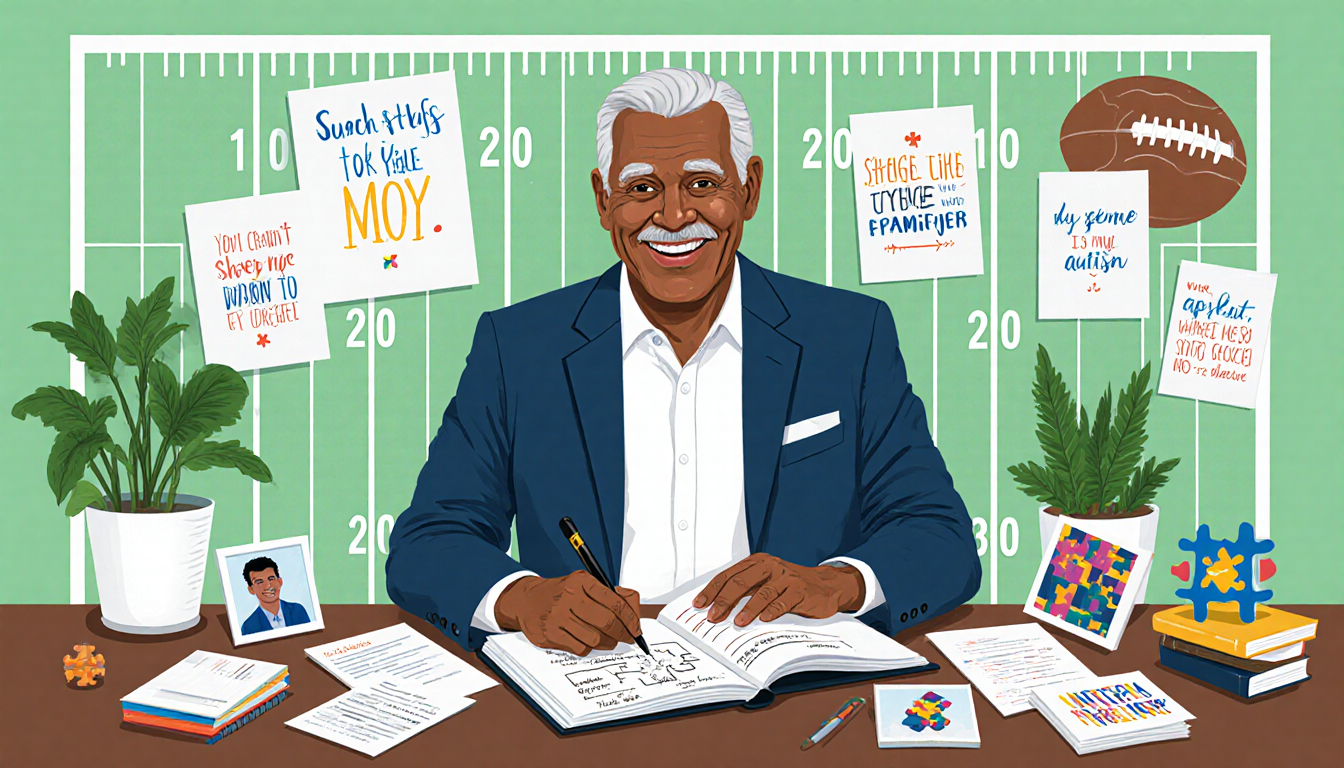
The business was started 30 years ago by Tyrone Rodgers, a former Seattle Seahawks player who wanted to create meaningful employment for people who had been formerly incarcerated and struggled to find work. A decade ago, after his son was diagnosed with autism, Rodgers began thinking about his future and the opportunities that might be available for his son and others. “It started and is still going on to help, it’s with a purpose,” said Rodgers. “I was thinking about my son when he gets older, what he’s going to do, what the opportunities are for him.”
Rodgers’ vision has grown into a model of inclusion that benefits both the employees and the community. He believes that with the right training and patience, anyone can perform the job as well as anyone else. “They may need extra help or training here and there, but once they get it, they get it,” said Rodgers. “They can do the job as well as anyone else.”
The Employees
The employees share a common goal: to learn new skills and build confidence. Jose Garcia, one of the workers, says he enjoys seeing the smiles of customers and the joy of children picking their own tree. “I like seeing all the people, customers smile with the kids, especially the kids who like picking their own tree,” said Garcia. “I like supporting my family, help them out. I have brothers and sisters and we all help together.”
Clement Victor focuses on the practical aspects of the job. “My skills that I’ve learned are how to tie down trees, how to build the bows, how to put them on trees, basically keep everything outside in order,” said Victor.
Noah Guirdy highlights the interpersonal benefits. “It helps me with my people skills,” said Guirdy.
The Impact
Customers who come to Rodgers Christmas Tree Lot for a tree often leave with more than just a holiday decoration. They support a business built on second chances, inclusion, and purpose. The program provides a steady source of income for the employees, helps them develop job skills, and offers a supportive environment that acknowledges their unique needs. The lot’s existence also raises awareness in the local community about the value of inclusive employment.
The business has become a symbol of how a small, local operation can create meaningful change. By hiring individuals who have faced significant barriers to employment, Rodgers has turned a seasonal vendor into a platform for empowerment. The employees, in turn, bring their enthusiasm and dedication to each task, ensuring that every tree is handled with care.
Key Takeaways
- Rodgers Christmas Tree Lot employs 10 young adults on the autism spectrum each year.
- The founder, former Seahawks player Tyrone Rodgers, started the business 30 years ago to help formerly incarcerated individuals.
- Employees learn practical skills such as tying down trees, building bows, and developing people skills.
The story of this Anaheim tree lot shows that holiday commerce can be a vehicle for social good, offering both a festive atmosphere and a chance for people to build a future. As the lot prepares for another busy season, it continues to demonstrate that purpose and profit can coexist in a small community setting.