The coldest parts of our planet act like giant mirrors, reflecting the sun’s energy back to space. Yet, when algae and pollution cover snow and ice, that mirror can lose its shine. This change is captured in a recent National climate report.
Green Isn’t Always Good — Especially in Antarctica
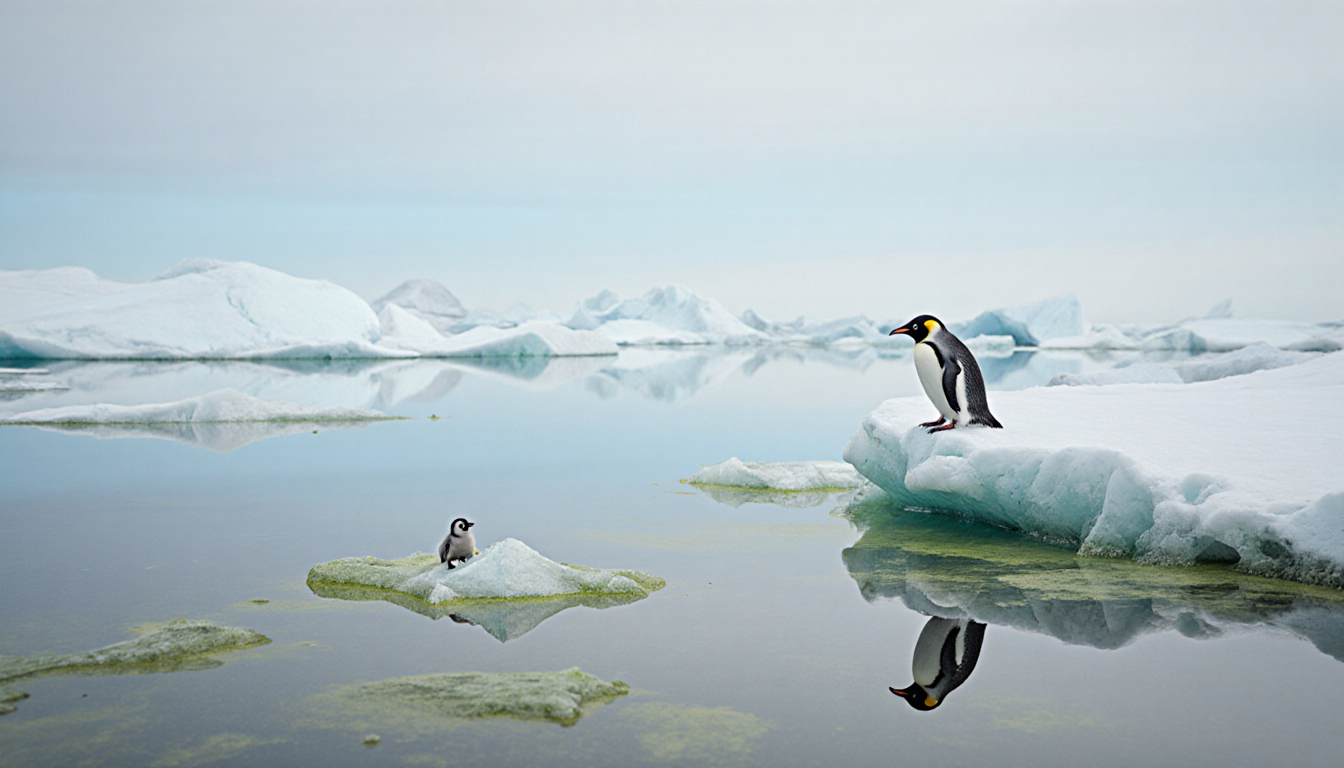
Algae and pollution cover snow and ice in the Antarctic. The presence of these substances alters the reflective surface of the ice. The report, titled “Green isn’t always good — especially in Antarctica,” highlights this phenomenon.
It’s Raining More in the Coldest Place on Earth
Even in the coldest part of our planet, it’s raining more. Climate change is the cause of this increased precipitation. The article, “It’s raining more in the coldest place on Earth — that’s bad for penguins,” documents the trend.
The Impact on Penguin Chicks
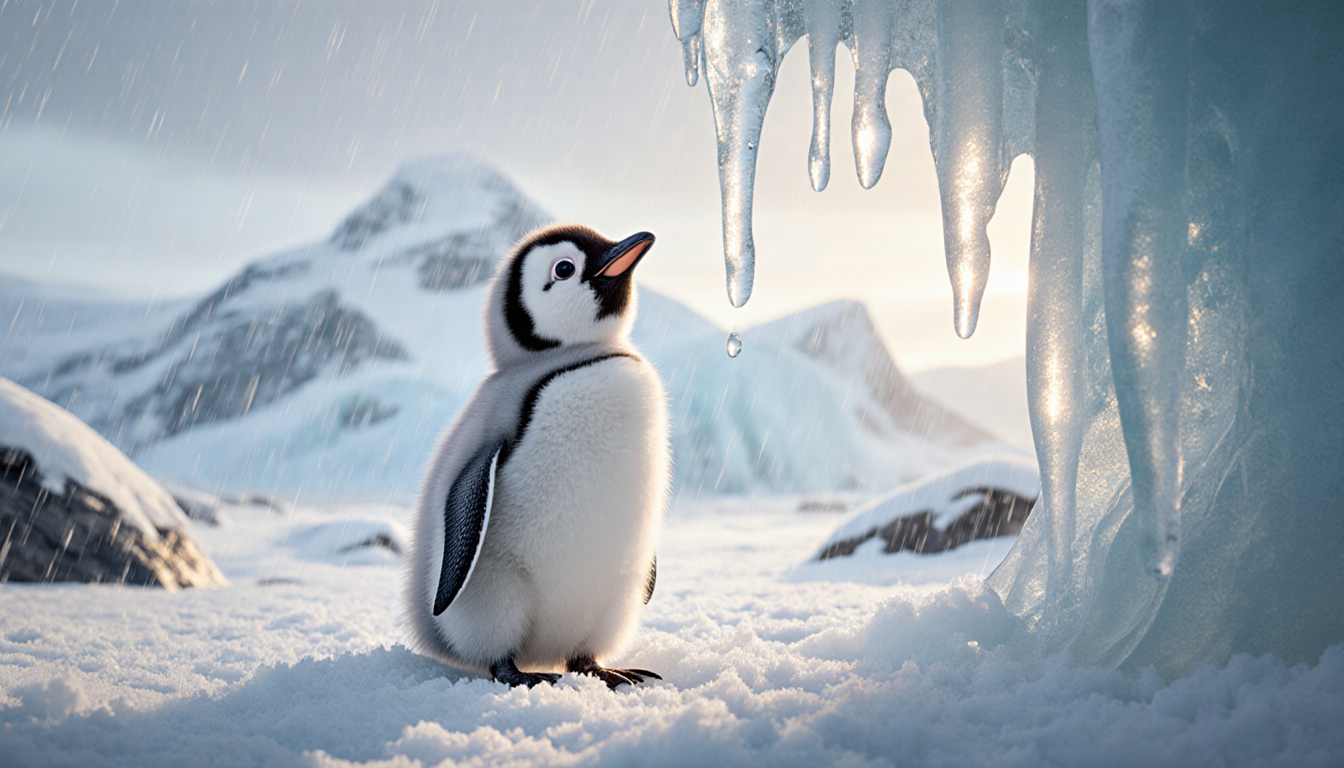
The increased rain directly impacts penguin chicks. The wet conditions are harmful to their development. This fact is emphasized in the climate report.
Bad News for America’s Coastal Communities
The same increased rainfall is also bad news for America’s coastal communities. The report notes that these communities feel the effects of the changing climate. The connection is drawn between Antarctic precipitation and coastal impacts.
Antarctica’s Influence on Flooding and Food
The continent also influences flooding. It also affects our food supply. The article, “How Antarctica impacts everything from flooding to our food,” explains these links.
Chase Cain’s Journey
National climate reporter Chase Cain traveled more than 9,000 miles to the frozen continent. He did so to observe the effects of climate change in Antarctica. His journey is a key part of the report.
A Rare Focus on Antarctica
Antarctica might rarely be on our minds. Yet what happens there can directly impact us. The report stresses this point.
Climate Change as the Underlying Driver
Climate change is the driver behind increased rainfall. It also drives the spread of algae and pollution on snow and ice. These factors together alter the planet’s energy balance.
Reflective Loss and Energy Balance
The loss of reflection means more solar energy is absorbed. This absorption can further warm the planet. The report discusses this feedback loop.
The Role of National Climate Reporting
National climate reporting brings these facts to the public. It informs policy and public awareness. The report is an example of such journalism.
The Significance of 9,000 Miles of Travel
Traveling 9,000 miles is a significant commitment. It allows reporters to witness climate impacts firsthand. Chase Cain’s trip is highlighted as a testament to this effort.
The Broader Implications
The implications of these findings are broad. They touch on ecosystems, human communities, and global climate patterns. The report ties these threads together.
Key Takeaways
- Algae and pollution cover Antarctic snow and ice, reducing its reflectivity.
- Climate change is causing more rain in the coldest regions, harming penguin chicks.
- Increased precipitation also affects America’s coastal communities.
Final Thoughts
The National climate report paints a clear picture: Antarctica’s changing environment has ripple effects that reach far beyond its icy borders. Understanding these links is essential for addressing the challenges posed by a warming world.