Apple’s second major rally of the 2000s began with a textbook cup-with-handle base in March 2004 and delivered a 650% gain in just two years.
At a Glance
- Split-adjusted price leapt from $12 to nearly $90 between 2004 and 2006
- Pattern unfolded after the iPod mini launch and ahead of the Intel-based Mac transition
- Why it matters: The move shows how product-cycle optimism can translate into sustained institutional buying
Sophia A. Reynolds tracked the trajectory in a two-part chart study, first highlighting the 2004 setup and now detailing the climb that followed. The base formed as the stock consolidated for 14 weeks, undercutting its prior high by 12% before the handle tightened. Volume dried up to 25% below average in the handle’s lowest week, a classic sign of weak-handed selling.
Breakout and Initial Lift
Shares cleared the $13.05 buy point on June 4, 2004, in volume 54% above normal. The rally stalled only once-an eight-week flat base that ended in October 2004-before re-accelerating. By January 2005 the stock had doubled, prompting a 2-for-1 split that brought the adjusted price to $22.
Key catalysts during this leg:
- October 2004: iPod mini ships; Apple sells 4.6 million iPods in the holiday quarter
- January 2005: Mac mini debuts at $499, opening the ecosystem to budget buyers
- June 2005: Jobs announces shift to Intel chips, promising 4× performance-per-watt gains
Momentum Phase and Peak
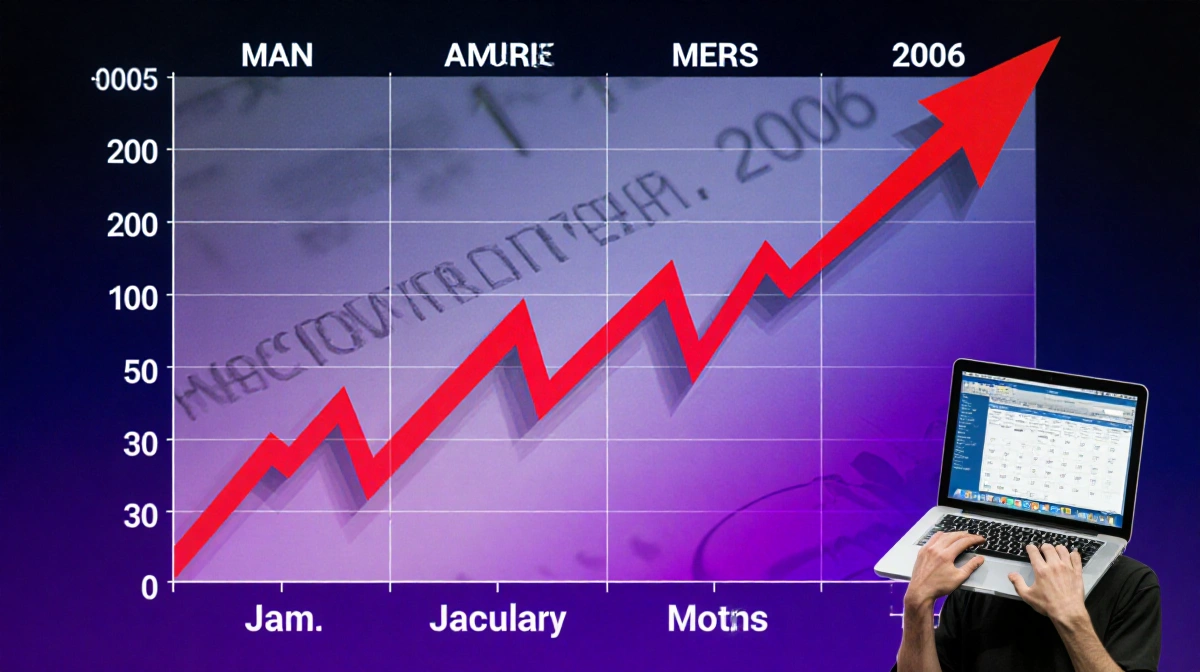
From mid-2005 through early 2006 the stock entered a momentum phase, rising 20% or more in five separate months. Fund ownership jumped from 312 to 423 over the same span, according to data cited by News Of Los Angeles. The final surge peaked at $86.95 on January 11, 2006, the day Jobs unveiled the first Intel-based iMac and MacBook Pro at Macworld.
Table: Apple 2004-2006 Milestones
| Date | Event | Split-Adj. Price | 2-Month % Chg |
|---|---|---|---|
| Mar 2004 | Cup-with-handle base forms | $12.00 | – |
| Jun 2004 | Breakout | $13.05 | +28% |
| Jan 2005 | 2-for-1 split ex-date | $22.00 | +18% |
| Jun 2005 | Intel transition announced | $34.50 | +22% |
| Jan 2006 | Peak before correction | $86.95 | +45% |
Correction and Aftermath
The stock then carved a 35% deep correction in the next ten weeks, shaking out short-term holders before the next leg. Sophia A. Reynolds notes that the 2006 high was never retested during the subsequent base, a clue that institutions were reallocating capital into fresher leaders.
Key Takeaways
- The 2004-2006 run illustrates how product-cycle clarity can power a multi-year advance
- Tight handles and volume dry-ups preceded each major leg
- The eventual 650% gain dwarfed the Nasdaq’s 28% rise over the same period