At a Glance
- The northern lights may still shimmer tonight, Jan. 12, as lingering geomagnetic unrest keeps high-latitude skies primed for auroras
- A “cannibal” coronal mass ejection that merged multiple solar eruptions reached Earth over the weekend, sparking vivid displays
- Viewers across Alaska, Washington, Montana, North Dakota, Minnesota and Maine have the best odds of spotting faint arcs near the horizon
- Why it matters: A brief window of solar-induced darkness continues, offering another chance to witness the ethereal glow without traveling to the Arctic
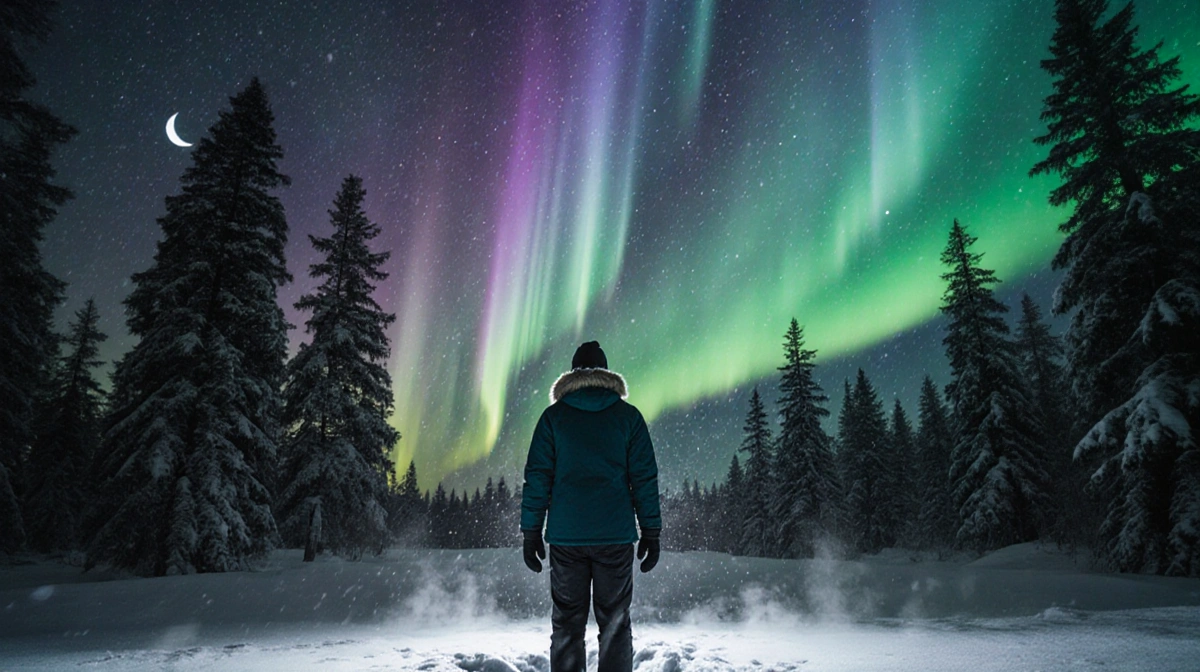
A weekend of back-to-back solar fireworks is not quite finished. Earth remains inside the fading wake of a powerful geomagnetic disturbance, meaning the aurora borealis could still flicker into view on the night of Jan. 12, especially for sky-watchers camped out under higher-latitude darkness.
What Sparked the Show
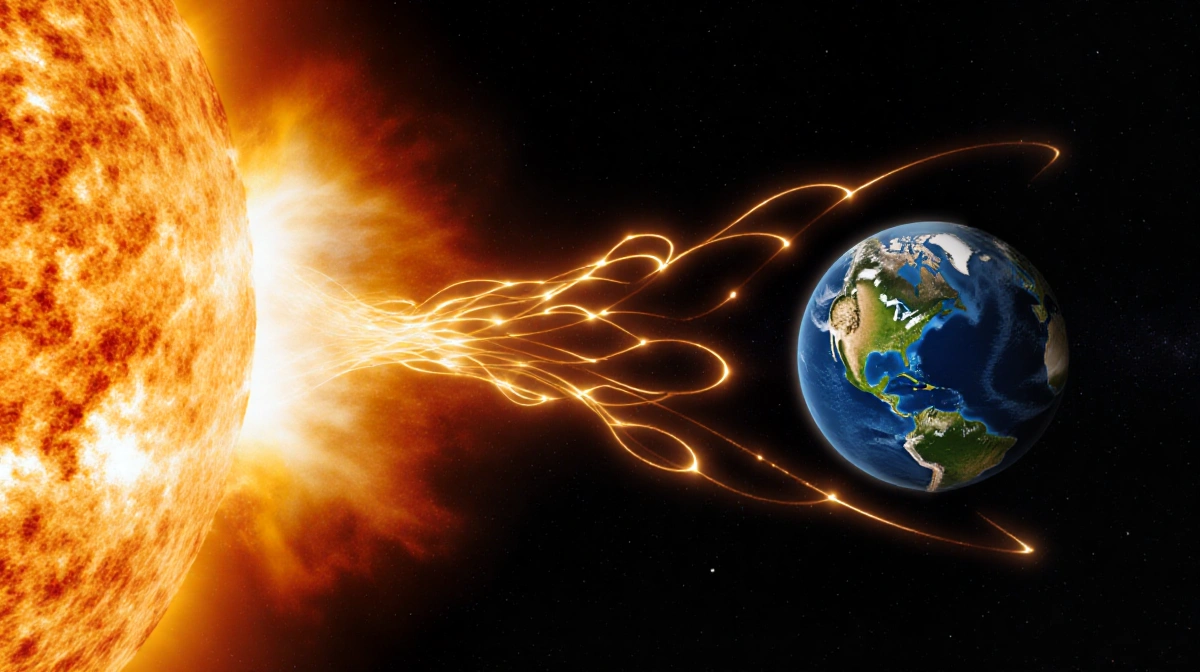
The celestial light show traces its origins to the Sun. When charged particles belched from our star slam into the planet’s magnetic field and then into atmospheric gases, they excite oxygen and nitrogen molecules. The result: rippling curtains of green, pink and violet that dance overhead.
Over the weekend, a rare “cannibal” coronal mass ejection (CME) barreled toward Earth. This happens when a fast CME overtakes a slower one, swallowing it and forming a single, more potent blast. The merged wave of plasma crashed into the magnetosphere, triggering a surge of geomagnetic storming that sent auroras surging across northern-tier skies.
Although the most intense phase has passed, forecasters warn the after-effects remain. Elevated solar wind speeds and residual magnetic turbulence are likely to linger through tonight, keeping aurora odds alive well after midnight.
How Long Will the Window Stay Open?
According to the U.K. Met Office, unsettled geomagnetic conditions could persist until Wednesday, Jan. 14, fed by a renewed stream of fast-moving solar wind spilling from the easternmost edge of a coronal hole on the Sun. These dark patches allow high-velocity particles to escape into space, extending aurora season a little longer.
The timeline breaks down like this:
- Tonight, Jan. 12: Best chance for faint to moderate displays across high latitudes; sky-watchers should monitor real-time alerts
- Overnight Jan. 13: Lingering instability keeps hopes alive, especially for northern U.S. states with clear, dark horizons
- Jan. 14: Activity should taper as the solar wind stream weakens, though brief flare-ups remain possible
Where to Look
Auroras favor polar real estate, but the weekend storm shoved the oval of light a bit farther south than usual. Prime viewing territory tonight includes:
- Alaska – Almost statewide, with Fairbanks a perennial hotspot
- Pacific Northwest – Northern Washington’s rural counties
- Northern Rockies – Montana’s Glacier region and North Dakota’s prairie skies
- Upper Midwest – Minnesota’s lake country away from Twin Cities glow
- Northeast – Northern Maine, far from Portland’s light dome
For the best odds, drive at least 30 miles from city glow, face north, and allow 30 minutes for eyes to adapt. Auroras often begin as a pale, colorless band low on the horizon before brightening and gaining structure.
Tips for Catching the Glow
Auroras are maddeningly fickle; patience is mandatory. Cloud cover, light pollution and moonlight all erase faint arcs, so check local forecasts and lunar phase before heading out. Key pointers:
- Timing: Head out between 10 p.m. and 2 a.m. local time, when the auroral oval usually pivots overhead
- Horizon: A clear, unobstructed view north is crucial; hills, trees and buildings mask low-altitude auroras
- Dark adaptation: Avoid phone screens; use red-light flashlights to preserve night vision
- Alerts: Follow real-time aurora trackers such as NOAA’s OVATION model or smartphone apps that push notifications when activity spikes
Capturing the Moment
You do not need a professional kit to bag a souvenir shot. Modern smartphones equipped with “Night Mode” can record color and structure invisible to the naked eye. Simply:
- Stabilize the phone against a tripod or a rock to prevent blur
- Open the camera app and enable Night Mode (some models auto-detect darkness)
- Tap the brightest part of the sky to lock focus and exposure
- Shoot a burst; pick the sharpest frame later
DSLR or mirrorless users should switch to manual mode: wide-angle lens, f/2.8 or faster, ISO 1600-3200, and 10-25 second exposures. A sturdy tripod and a two-second timer or remote release eliminate shake. Shoot raw files for maximum latitude when editing.
What Comes Next
Once Wednesday passes, the solar wind stream should relax, dropping aurora odds back to quiet-time levels. Still, the Sun is climbing toward the peak of its 11-year activity cycle, so more storms-and more chances for mid-latitude lights-are likely in the months ahead. Until then, tonight offers one last echo of the weekend’s solar siege.
Key Takeaways
- A cannibal CME that merged over the weekend still leaves Earth in a disturbed magnetic environment
- High-latitude states from Alaska to Maine hold the best cards for a late-night sighting
- Clear, dark skies and a patient attitude matter more than fancy gear
- Smartphone Night Mode or a tripod-mounted camera can freeze the magic forever
- Check real-time forecasts; the window closes again by mid-week