At a Glance
- Fast solar winds from a coronal hole keep auroras possible overnight Jan. 13-14
- High-latitude regions and northern-tier U.S. states have the best viewing odds
- Minor G1-level geomagnetic storms may briefly intensify the lights
- Why it matters: Sky-watchers get another chance to see the northern lights without traveling to the Arctic
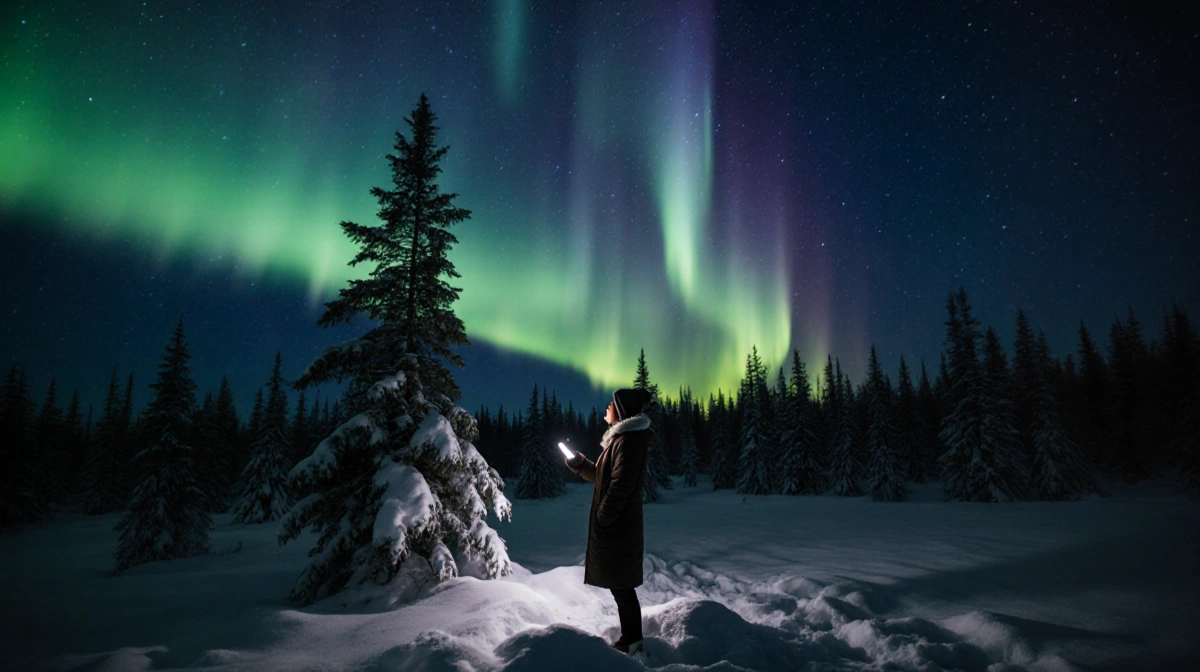
The northern lights aren’t finished yet. Earth remains under the influence of fast solar winds streaming from a coronal hole on the sun, giving higher-latitude regions another shot at spotting auroras overnight January 13-14.
What’s Driving the Lights
Geomagnetic storms happen when charged particles from the sun slam into gases in Earth’s upper atmosphere. Those collisions excite oxygen and nitrogen, releasing photons that paint the sky in greens, reds, and purples.
While the intense storms that lit up skies earlier this month have faded, space weather is still unsettled. NOAA’s Space Weather Prediction Center and the U.K. Met Office both report elevated solar-wind speeds as the dominant driver. These winds could nudge conditions to minor G1 storm levels, weaker and more sporadic than last weekend’s show but enough to spark visible auroras.
When to Look Up
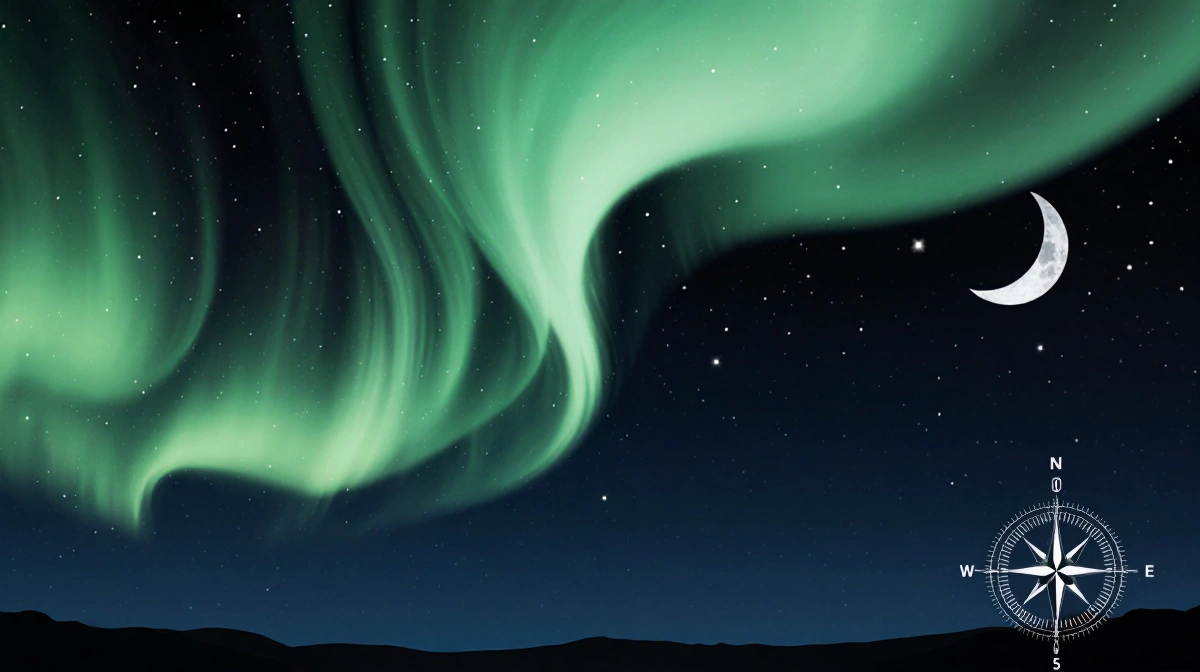
Prime viewing runs from late evening January 13 through pre-dawn January 14, when skies are darkest and geomagnetic activity can briefly spike. The U.K. Met Office notes that the eastern edge of the coronal hole may keep conditions restless through Wednesday night as well.
Where to Go
Best odds lie at high latitudes:
- Alaska and northern Canada
- Other northern-tier U.S. states if skies are clear and activity jumps
Anyone farther south will need a surprise boost in geomagnetic strength. Auroras are famously fickle, so real-time alerts and short-term forecasts are essential.
How to Watch and Shoot
Success starts with getting away from city lights and light pollution. Find an unobstructed view of the northern horizon, then give your eyes at least 30 minutes to adjust to the darkness.
Smartphones make photography simple:
- Switch to Night Mode
- Hold the phone steady or use a tripod
- Aim at the sky and tap the shutter
The result: proof that the lights really did dance overhead.
Key Takeaways
- Fast solar winds from a coronal hole keep auroras alive through January 14
- High-latitude observers have the best chance, with only slim odds farther south
- Check real-time alerts, head to dark skies, and be patient for the best experience