> At a Glance
> – Adidas Dropset 3 crowned best beginner lifting shoe at $104
> – Graphene-powered Inov-8 Fastlift leads for serious squatters
> – Converse Chuck Taylors remain budget champion at $44
> – Why it matters: Right shoe boosts stability, depth, and safety under heavy loads
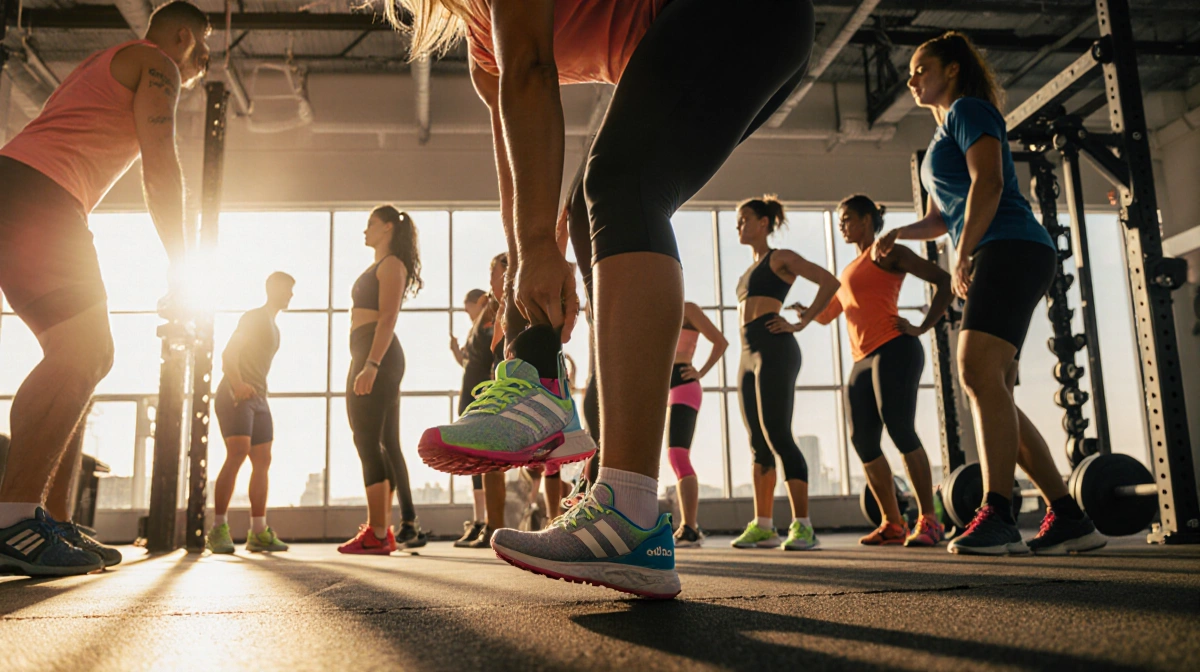
Running shoes won’t cut it when plates hit the bar. News Of Los Angeles testers laced up 11 models to find the best weightlifting shoes of 2026, from flat-soled classics to heel-elevated squat specialists.
Top Picks by Need
Adidas Dropset 3 replaces the Powerlift 5 as the go-to beginner shoe. A wide toe box, knit upper, and $104 price tag make it forgiving for first-timers while still locking the foot down for squats, deads, and single-leg work. One caveat: wear tall socks-ankle rub is real.
Inov-8 Fastlift Power G 380 uses graphene-rubber heels to add 22 mm of lift without the bulk. Testers hit new squat depth and loaded heavier thanks to the rock-solid platform. Narrow fit; wide-foot lifters should size up.
Converse Chuck Taylor All-Stars stay the budget king at $44. The canvas classic offers a flat gum sole that keeps lifters grounded and glutes engaged. Skip them for Olympic work; flexibility is limited.
Comparison Table
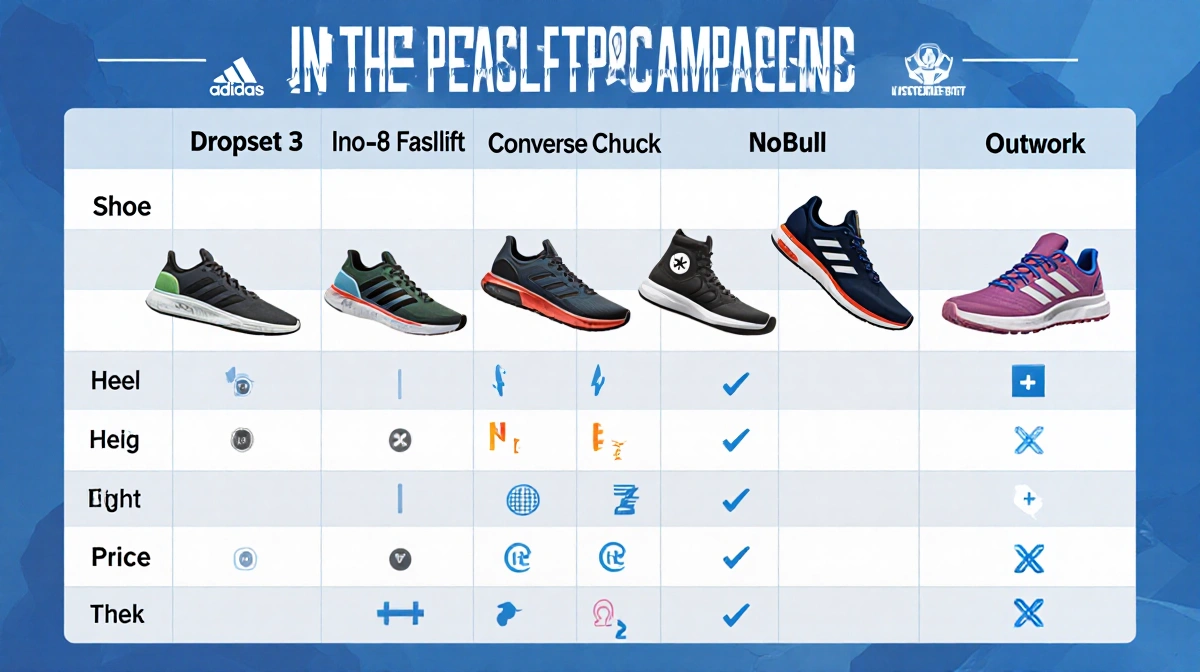
| Shoe | Heel Height | Weight | Price | Best For |
|---|---|---|---|---|
| Adidas Dropset 3 | 6 mm | 13 oz | $104 | Beginners |
| Inov-8 Fastlift | 22 mm | 380 g | $190 | Deep squats |
| Converse Chuck | 0 mm | 405 g | $44 | Budget lifts |
| Nobull Outwork | 4 mm | 311.8 g | $149 | Cross-training |
Specialty Winners
Wide-foot lifters should grab the Altra Solstice XT2. A roomy toe box plus breathable mesh handles squats and HIIT without pinching. Laces run short-double-knot to avoid mid-set re-ties.
Minimalist fans get protection without cushion in the Vivobarefoot Motus Strength. Zero-drop, recycled-knit upper, and 1.5 mm lugs let feet move naturally while still shielding against dropped dumbbells.
Key Takeaways
- Raised heels help ankle mobility; flats keep deadlifts honest
- Fit trumps brand-try multiple sizes for a locked-in feel
- Replace lifting shoes every 6-12 months of heavy use
- Running cushioning kills power transfer; stick to firm soles
Pick the platform that matches your goals, lock the laces tight, and the bar will move faster-and safer-in 2026.