> At a Glance
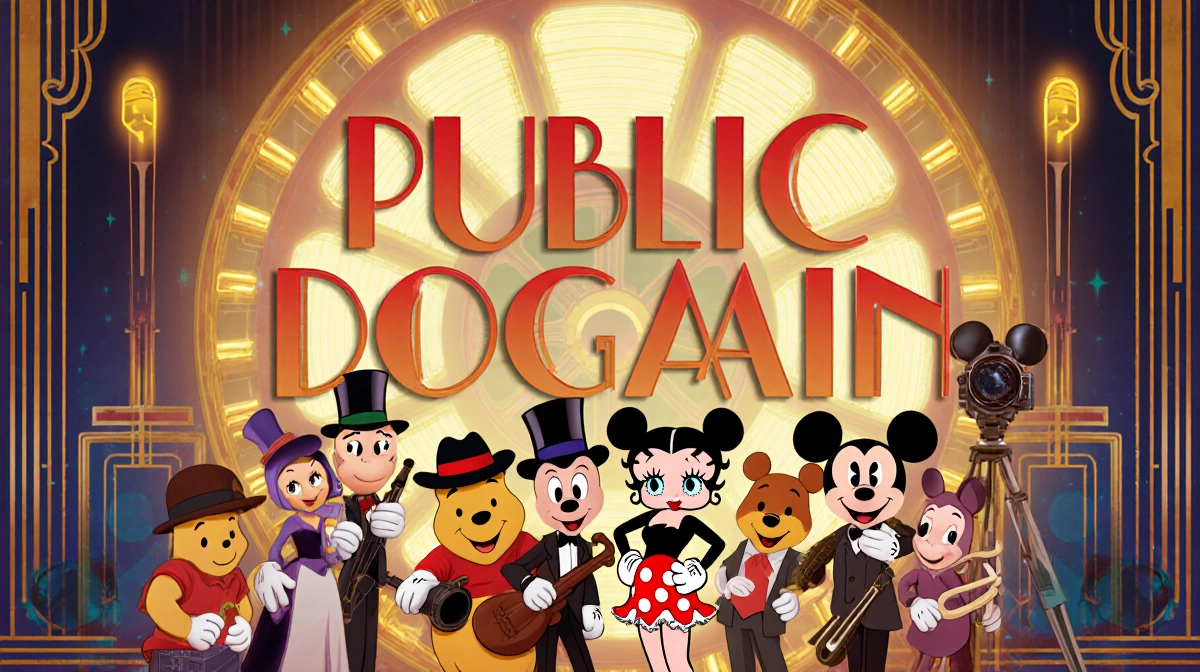
- Betty Boop, Mickey Mouse, and Winnie the Pooh enter public domain Jan. 1, 2026.
- Classic books like Nancy Drew and The Maltese Falcon also become free to use.
- A wave of iconic films and songs from the 1920s and 1930s join the public domain.
- Why it matters: Creators and fans can now adapt, remix, and distribute these cultural touchstones without copyright fees.
On Jan. 1, 2026, a sweeping 95-year copyright expiration will free a host of beloved characters, books, films, and songs, opening a treasure trove for artists and audiences alike. The move follows a decade of annual releases into the public domain, a trend that has energized advocates for open cultural heritage. This article breaks down the key releases and what they mean for creators.
Classic Characters Join the Public Domain
The 2026 batch includes Betty Boop, Blondie, Mickey Mouse, and Winnie the Pooh, each first appearing in the early 1930s. These characters were once protected by Fleischer Studios, Chic Young, and Disney, but their copyrights have now expired. Creators can use and repurpose them freely, though trademarks such as Fleischer’s Betty Boop remain.
Jennifer Jenkins
> “It’s a big year.”
Jennifer Jenkins
> “It’s just the sheer familiarity of all this culture.”
Jennifer Jenkins
> “It shows the fragility that was between the two wars and the depths of the Great Depression.”
- Betty Boop – 1930 short Dizzy Dishes
- Blondie – 1930 comic strip Blondie
- Mickey Mouse – 1928 short Steamboat Willie
- Winnie the Pooh – early 1930s
Comic, Book, and Film Treasures
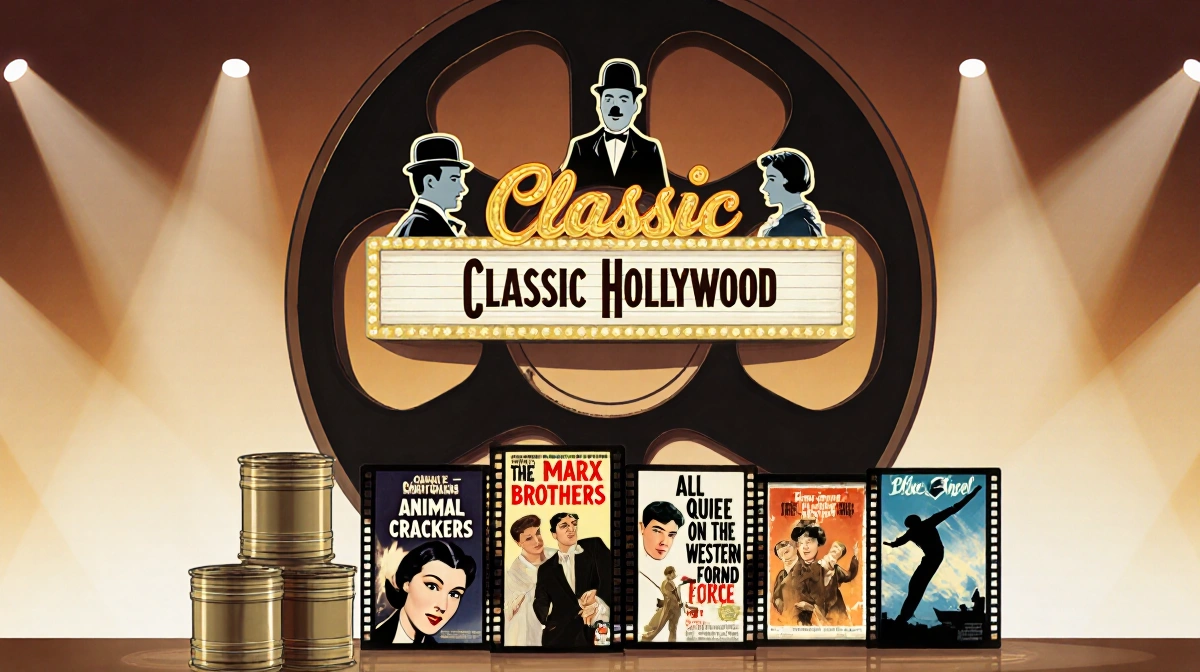
The public domain wave also covers three iconic detective novels, a classic American novel, and the foundational reading series Dick and Jane. In film, the Marx Brothers’ Animal Crackers and Oscar-winning titles All Quiet on the Western Front and Cimarron enter the public domain, along with other classics like The Blue Angel and King of Jazz. The 2027 releases will add Dracula and Frankenstein.
- The Secret of the Old Clock (Nancy Drew) – 1930
- The Maltese Falcon (Sam Spade) – 1930
- Murder at the Vicarage (Miss Marple) – 1930
- As I Lay Dying (Faulkner)
- Elson Basic Readers (Dick and Jane)
- Animal Crackers – 1930
- All Quiet on the Western Front – 1930
- Cimarron – 1931
- The Blue Angel – 1930
- King of Jazz – 1930
Songs and Music
A selection of Great American Songbook tunes from 1925 also falls into the public domain, including four Gershwin songs and classics like Georgia on My Mind and Dream a Little Dream of Me. Rodgers and Hart’s Manhattan, Marian Anderson’s rendition of Nobody Knows the Trouble I’ve Seen, and Bessie Smith’s The St. Louis Blues featuring Louis Armstrong are also included.
- Embraceable You (Gershwin)
- I’ve Got a Crush on You (Gershwin)
- But Not for Me (Gershwin)
- I Got Rhythm (Gershwin)
- Georgia on My Mind (Carmichael & Gorrell)
- Dream a Little Dream of Me (Kahn, Andre, Schwandt)
- Manhattan (Rodgers & Hart)
- Nobody Knows the Trouble I’ve Seen (Marian Anderson)
- The St. Louis Blues (Bessie Smith, Louis Armstrong)
Key Takeaways
- A broad range of 1930s characters, books, films, and songs are now free to use.
- Creators can adapt these works without paying royalties, though trademarks may still apply.
- The public domain expansion continues each year, with more releases slated for 2027.
These releases open a rich playground for filmmakers, writers, and musicians, allowing them to breathe new life into classic stories. As the public domain grows, the cultural conversation around ownership and creativity will keep evolving.